Last updated on March 11, 2026
Look, I spent way too much time comparing absence management tools so you don't have to sit through endless demo calls. This guide covers 22 platforms with actual pricing, real feature gaps, and honest recommendations based on team size and needs.
Full disclosure upfront: I work at Vacation Tracker. That's why it's first on this list, and yeah, I think it's the best fit for most teams. But I'm covering every tool honestly here, including the ones that beat us on specific use cases. If you need something we don't offer, I'll tell you exactly where to go instead.
Watch the full breakdown here:
Tools for Small Teams (Under 50 People) That Need Simple Leave Tracking
If you're running a small team and just need people to stop asking "hey, is Sarah out next week?" in random Slack channels, you don't need a complex HR platform. You need something that integrates where your team already works.
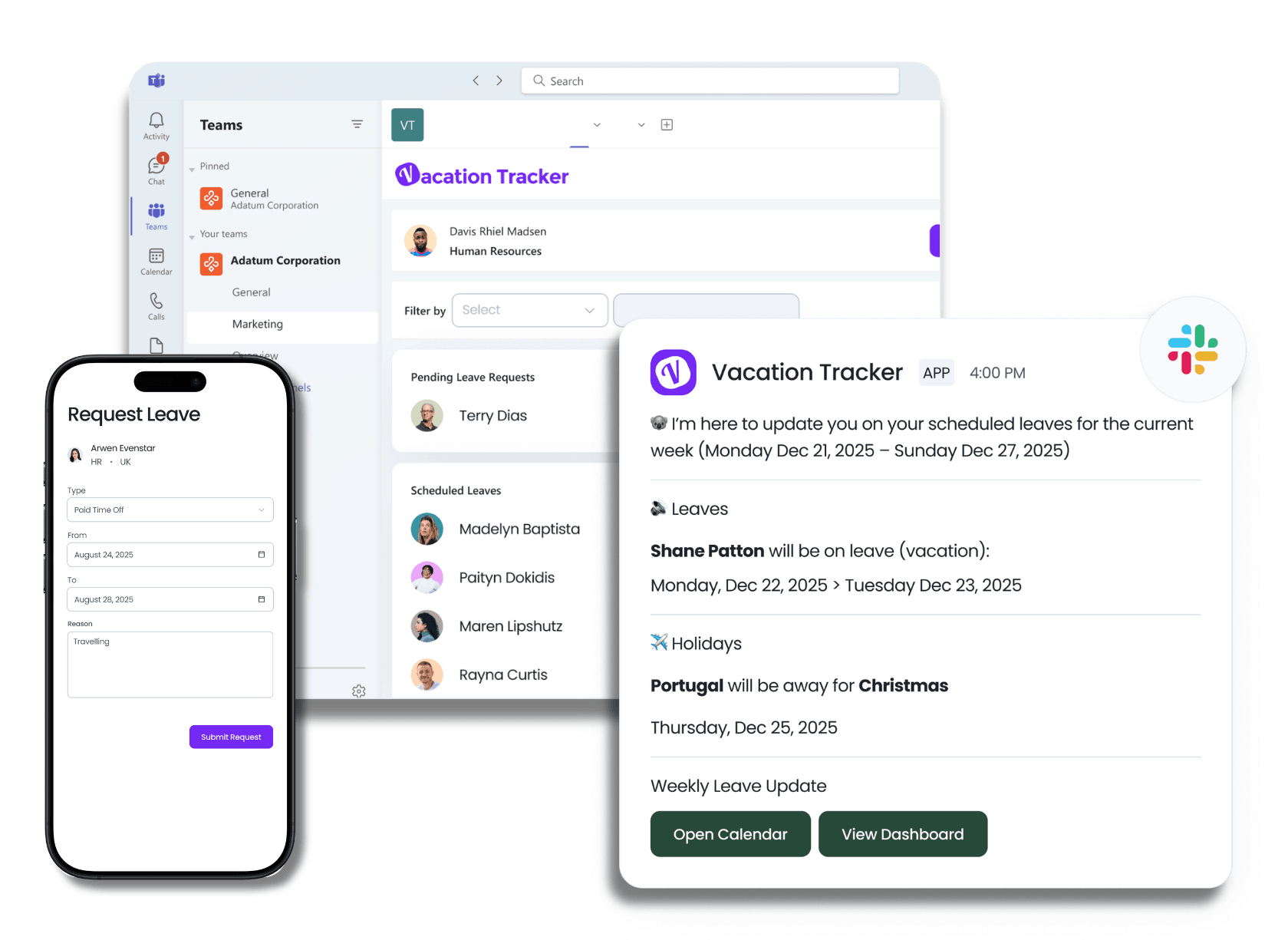
Vacation Tracker works inside Slack, Microsoft Teams, and Google Workspace. People request time off without leaving their chat app, managers approve with one click, and everyone sees who's out on a shared calendar. We handle accrual policies, carryover rules, and multi-country teams. Pricing starts at $2 per user per month. (Again, this is my company, but it genuinely solves the "spreadsheet chaos" problem for most small teams.)
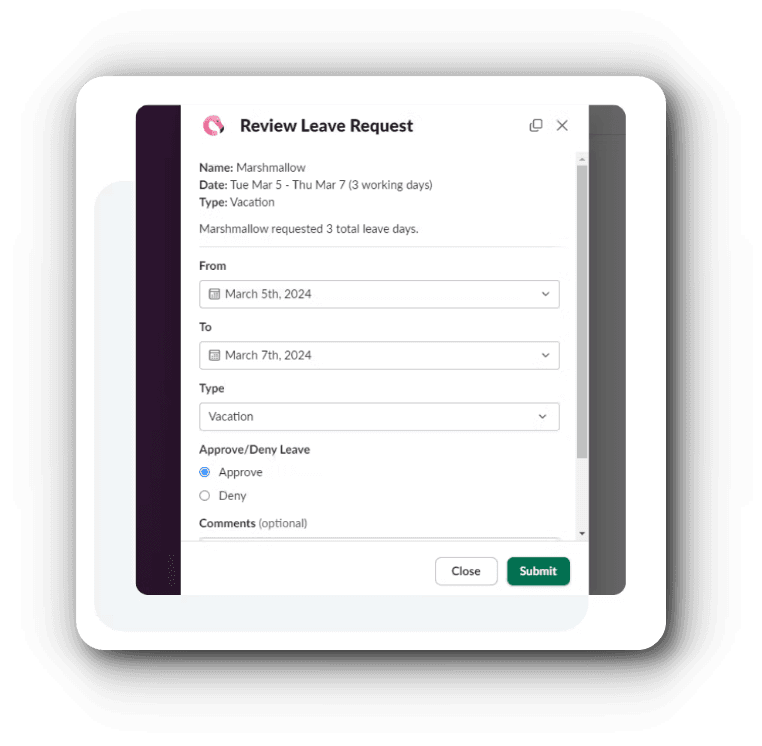
Flamingo is similar but Slack-only. It's clean, simple, and handles the basics well. If you're a Slack-first company and don't need Microsoft Teams support, it's worth checking out. They also start around $2-3 per user monthly.
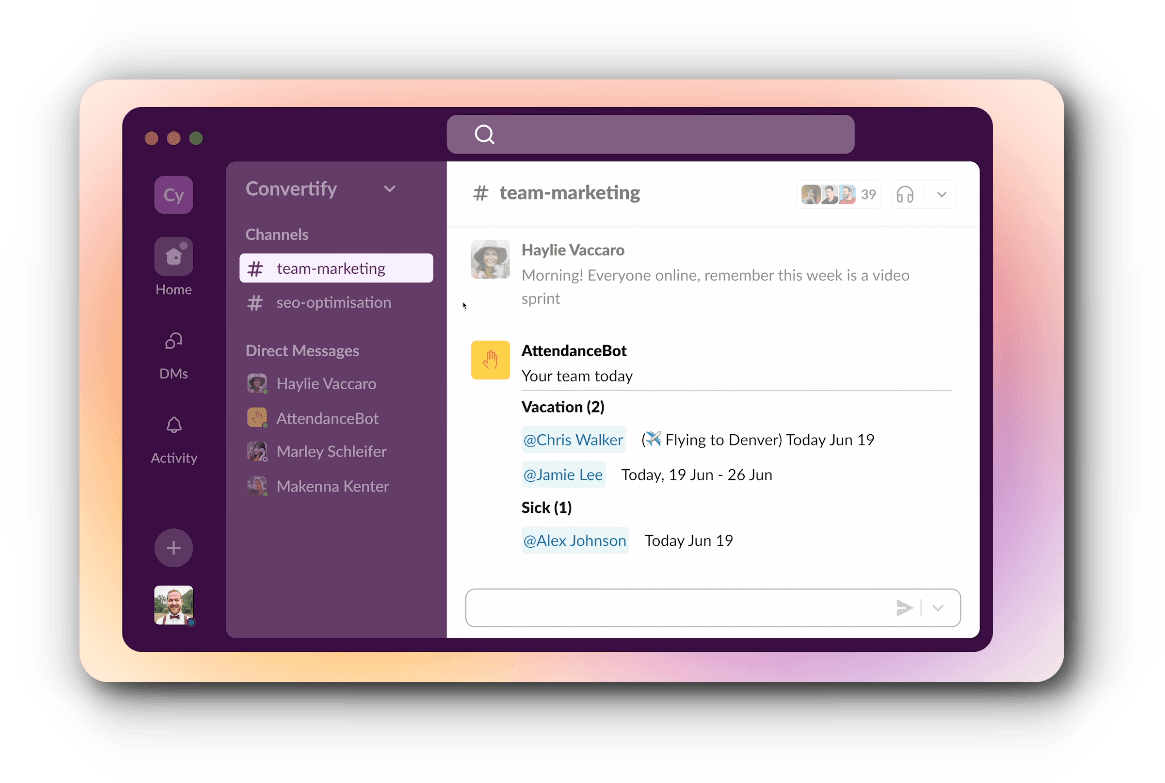
AttendanceBot combines time tracking with leave management in Slack and Teams. If you need people to clock in/out AND request PTO from the same tool, this works. Pricing is competitive but the interface feels a bit clunky compared to purpose-built leave tools.
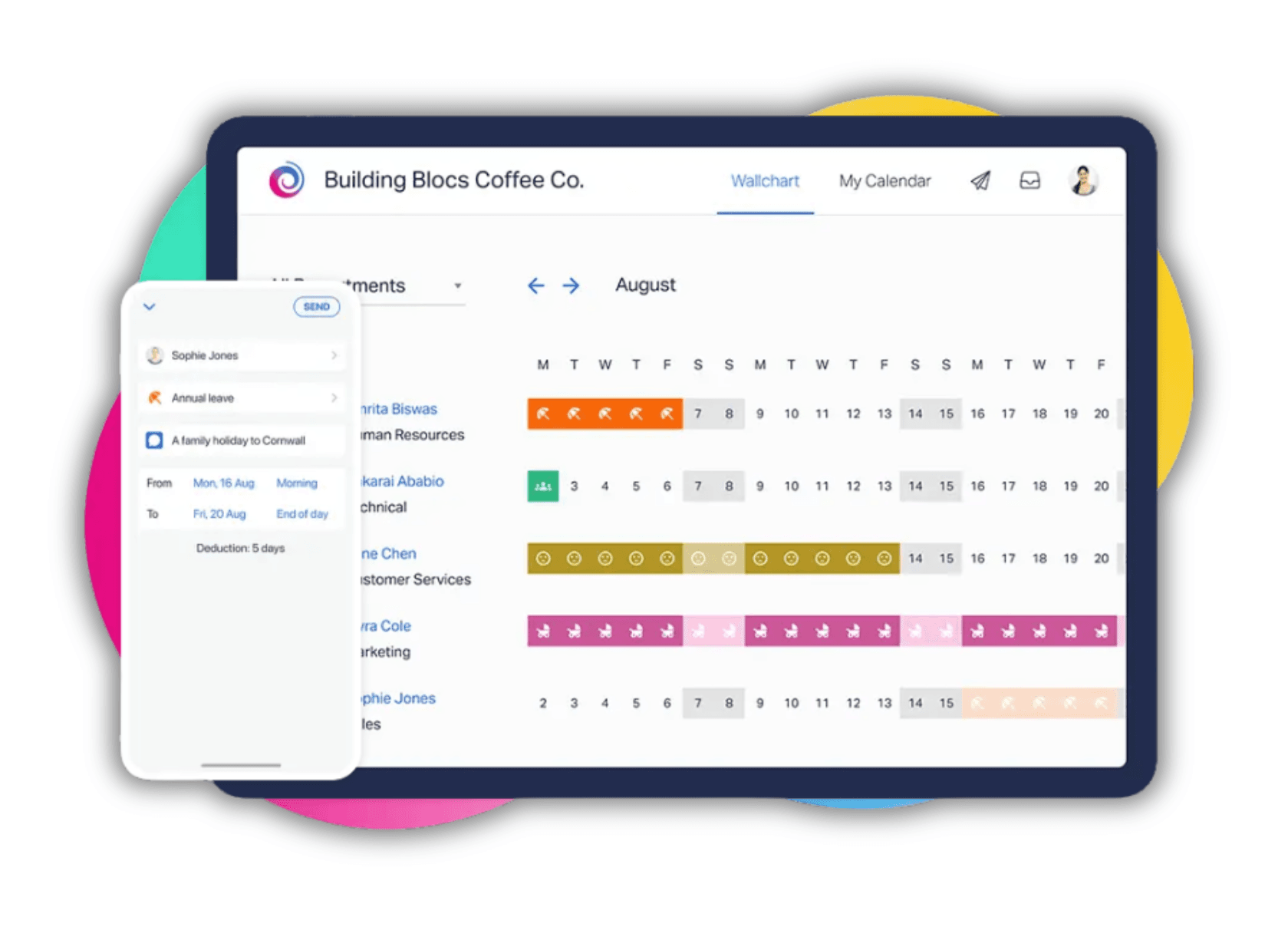
Timetastic is a UK-based tool that's popular with European teams. It handles country-specific holiday calendars really well (which matters more than you'd think when you're managing people across France, Germany, and Poland). They have a free tier for up to 10 users, then it's about £1-2 per person monthly. The interface is straightforward, no fluff.
Full HR Platforms That Include Leave Management
If you're already paying for an HR system that handles payroll, onboarding, and performance reviews, you probably don't need a separate leave tool. These platforms include absence tracking as part of a bigger package.
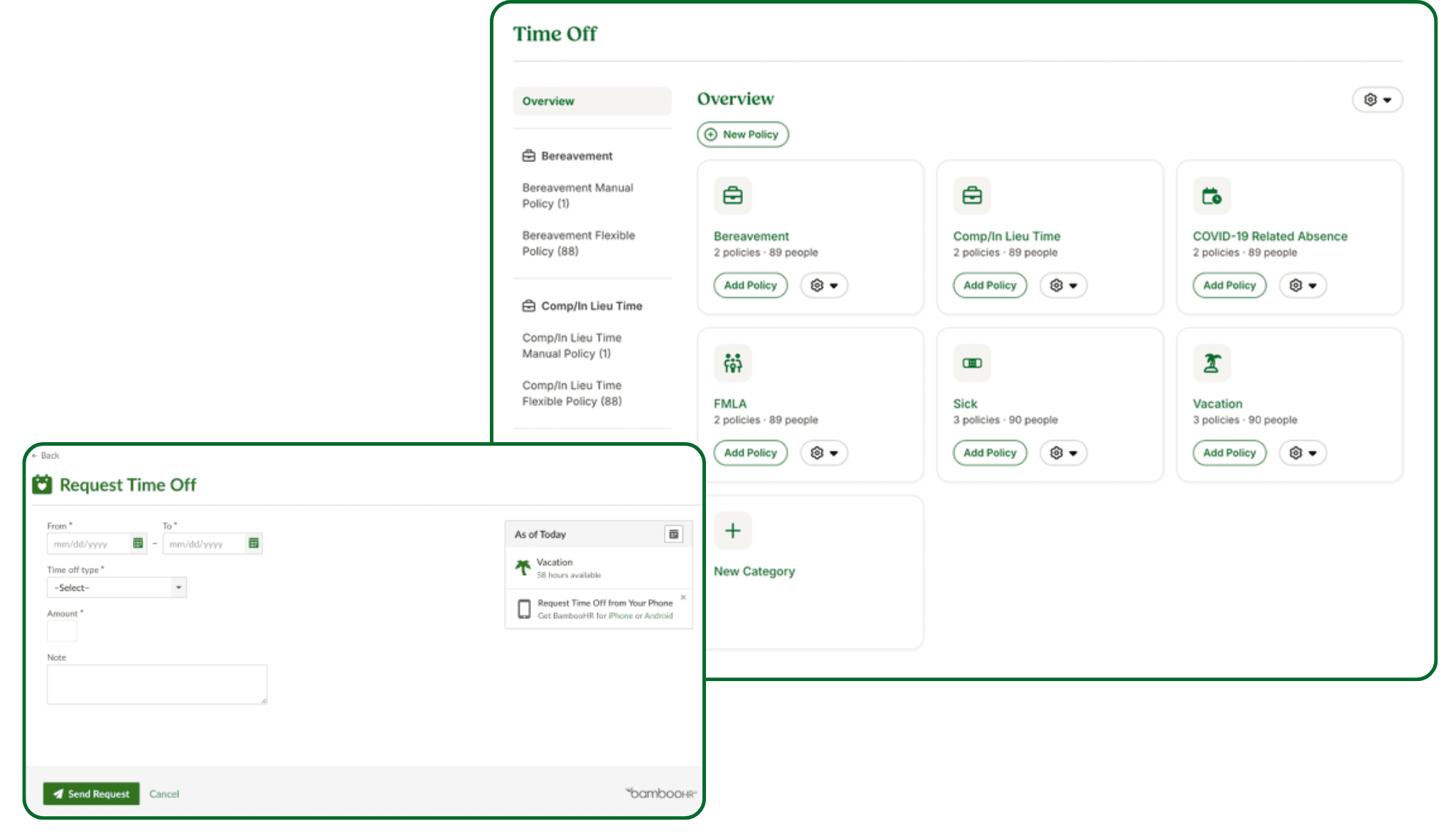
BambooHR is the default choice for mid-sized companies (50-500 employees). Their leave management works fine - nothing spectacular, but it integrates with everything else in their system. You're paying for the full HR suite though, which starts around $6-8 per employee monthly. Don't buy BambooHR just for leave tracking. Buy it if you need the whole package.
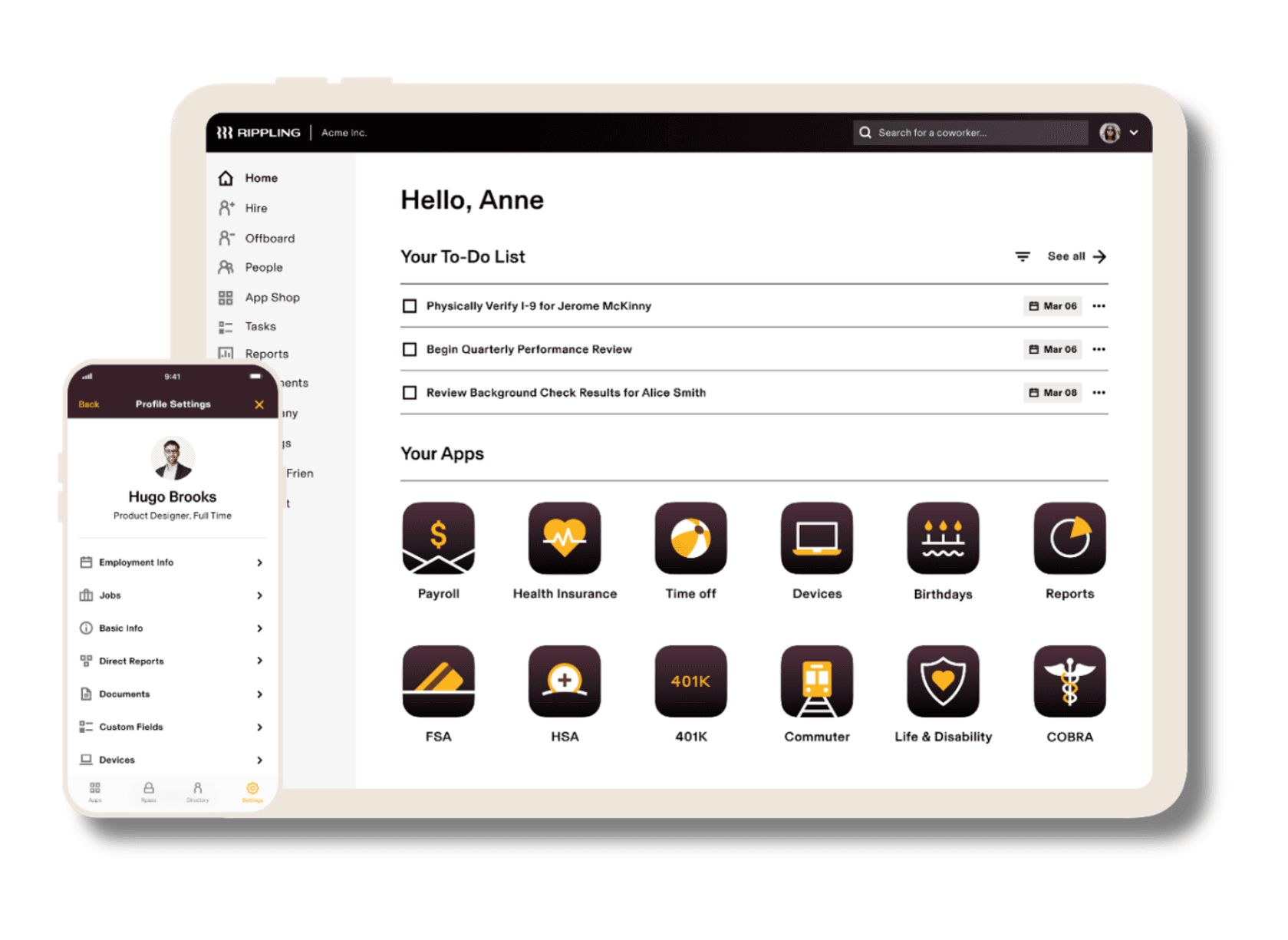
Rippling is BambooHR's main competitor but with better automation. Their leave policies can auto-adjust based on employment contracts, locations, and role changes. If you're scaling fast and need systems that adapt without constant manual updates, Rippling is worth the premium price (usually $8-10 per user monthly for the full platform).
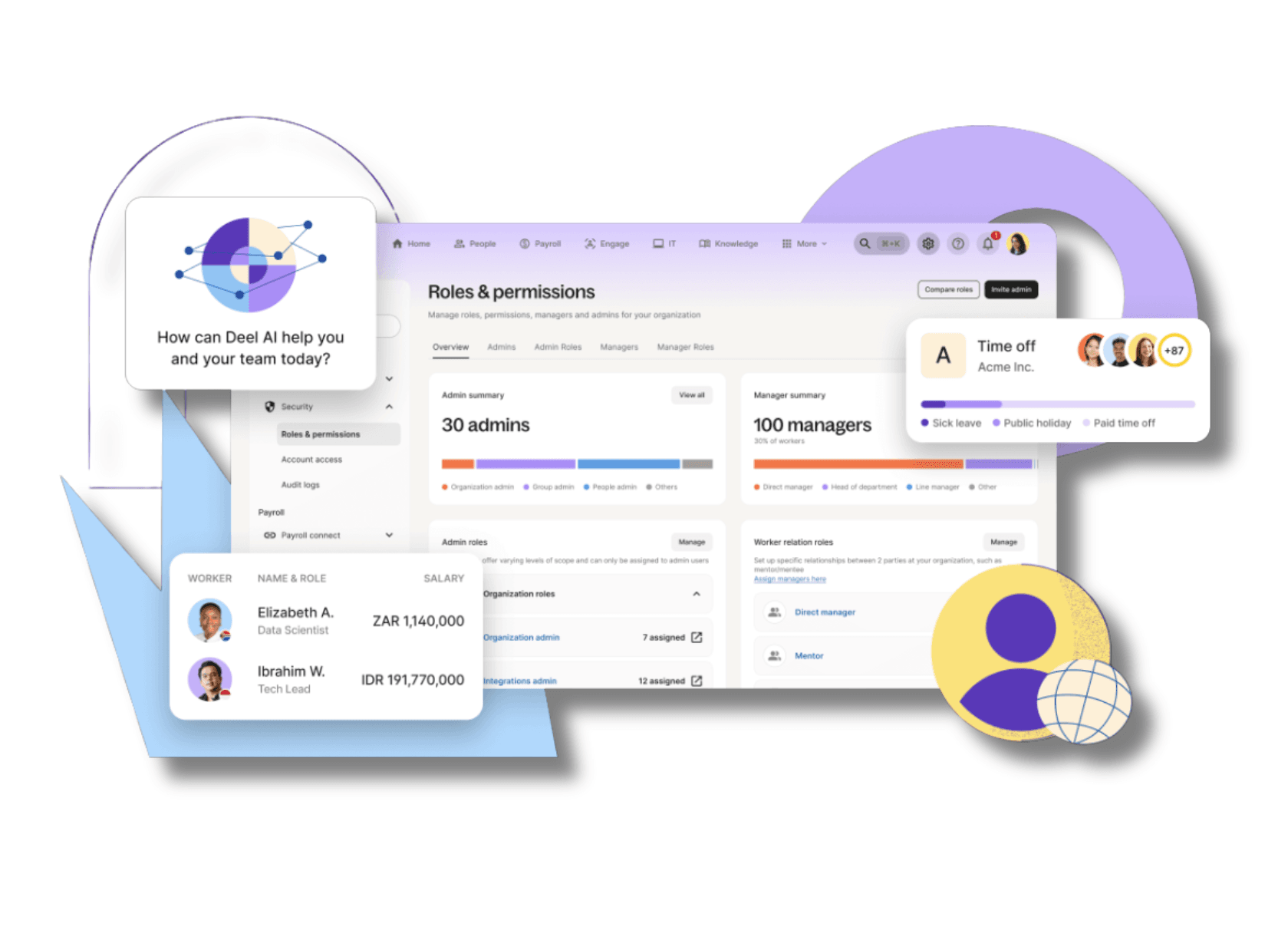
Deel and HiBob are both built for distributed teams with employees in multiple countries. Deel focuses on contractor management and international payroll, while HiBob is more of a traditional HRIS. Both handle country-specific leave laws automatically, which saves a ton of admin headache. Pricing varies based on features but expect $10-15 per employee monthly.
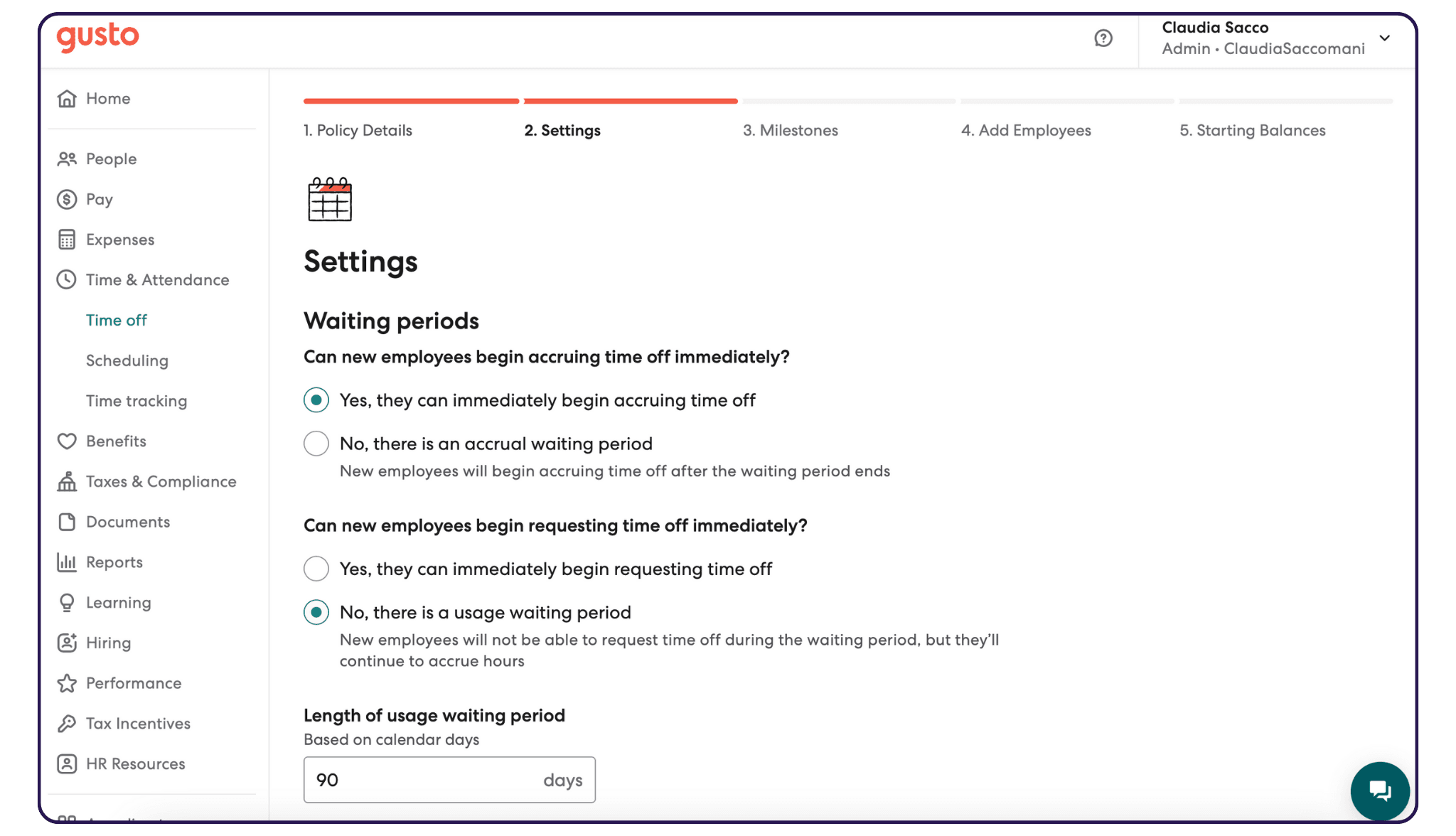
Gusto is primarily a payroll platform for US companies. Their PTO tracking is basic but functional. If you're already using Gusto for payroll, just use their built-in leave feature. Don't pay for a separate tool. Plans start around $40/month base fee plus $6 per person.
European-Focused Tools That Handle Complex Labor Laws
US-based tools often treat leave policies like a simple accrual formula. European labor laws are way more complicated - different public holidays per region, works council requirements, mandatory leave rules that vary by country. These tools actually get that.
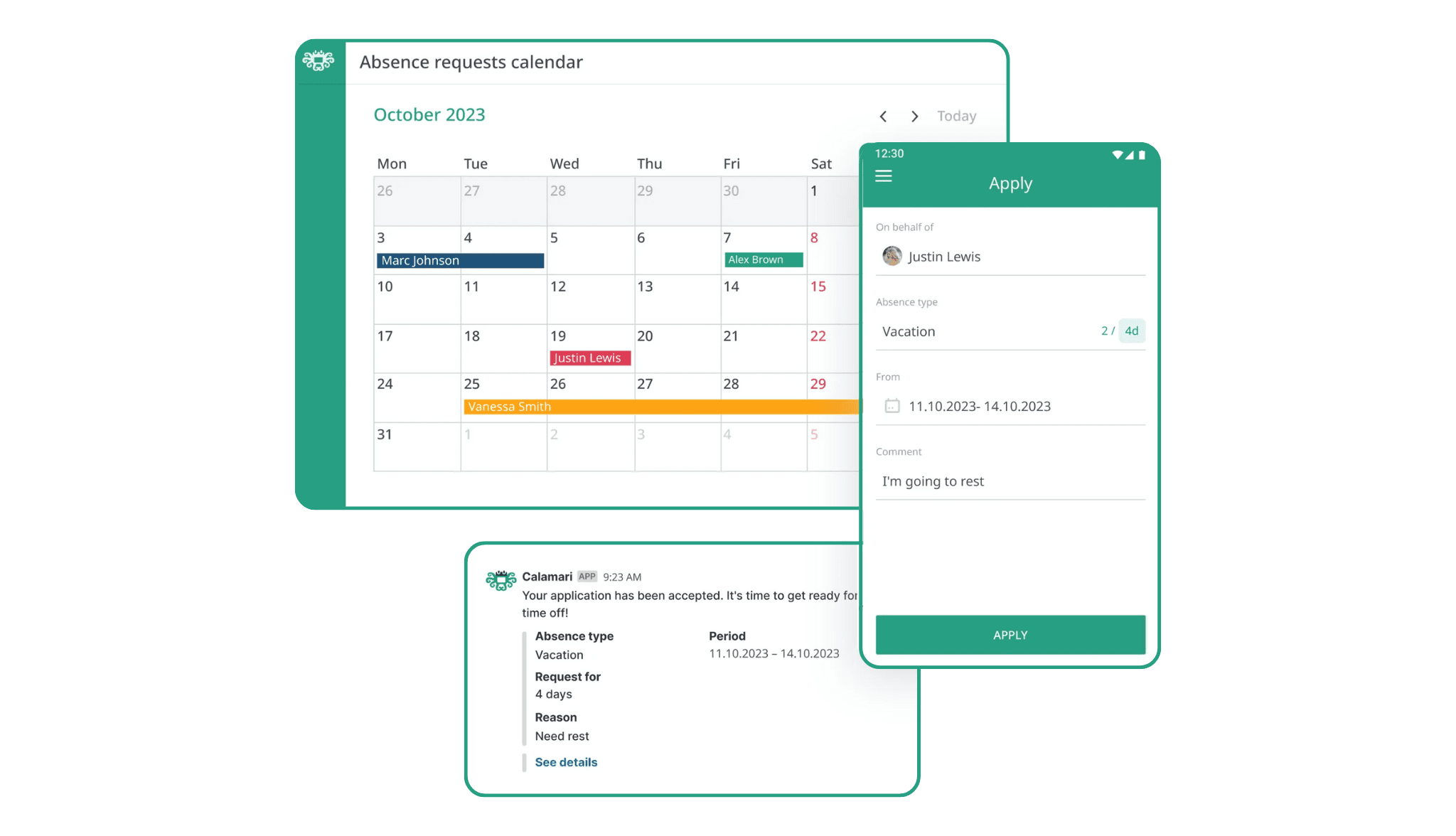
Calamari is Polish-built and handles Central/Eastern European labor codes really well. It integrates with Slack and has a clean approval workflow. Pricing is around €2-3 per user monthly. The interface isn't flashy but it works.
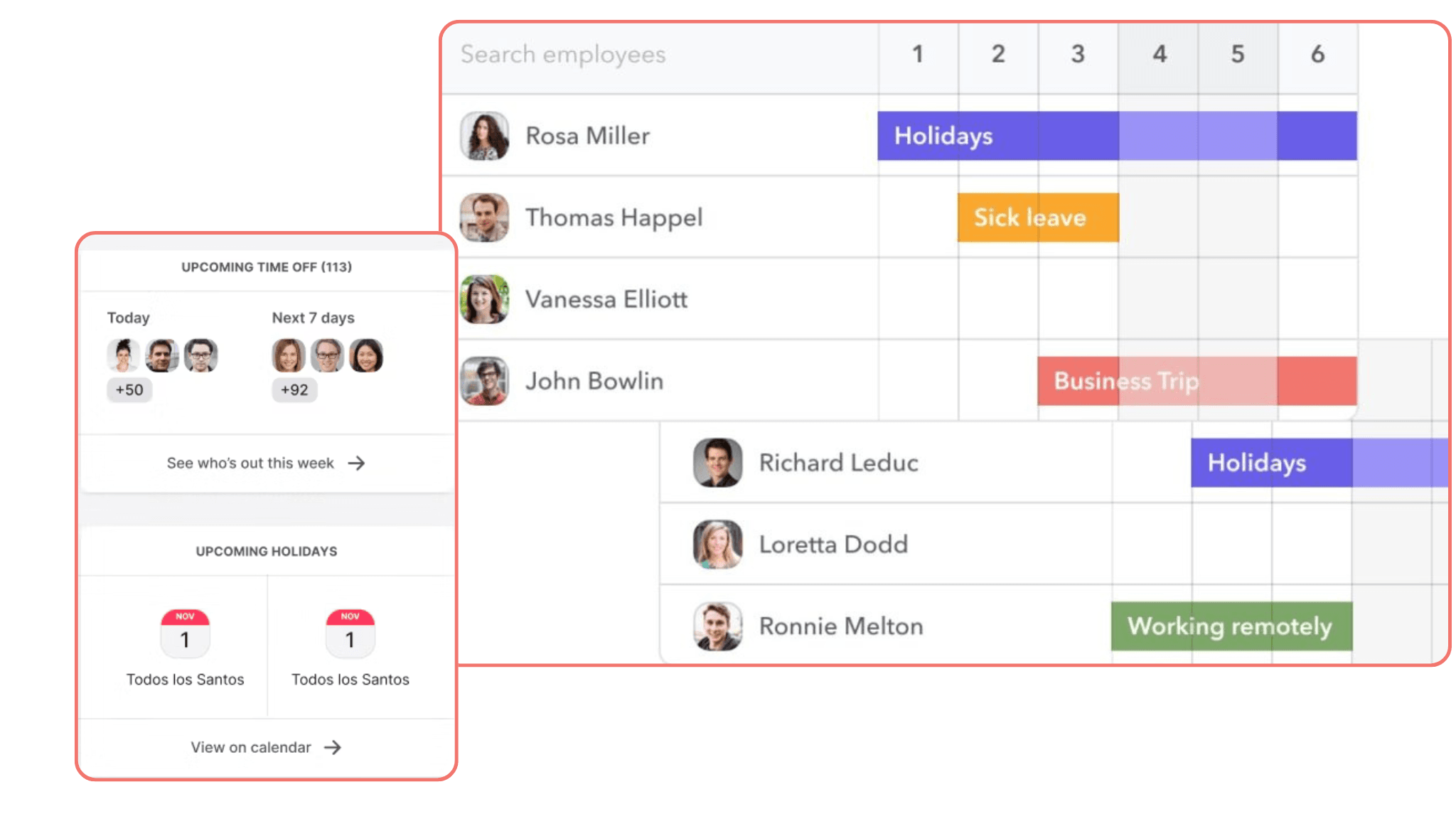
Factorial is based in Spain and covers most EU countries' specific requirements. They're expanding into a full HR suite but started with leave management. Good option if you're a European company growing beyond 50 people. Pricing starts around €3-5 per employee monthly.
Tools for Deskless and Shift Workers
If your team doesn't sit at computers all day, they're not going to log into a web portal to request time off. They need mobile-first tools that work fast.
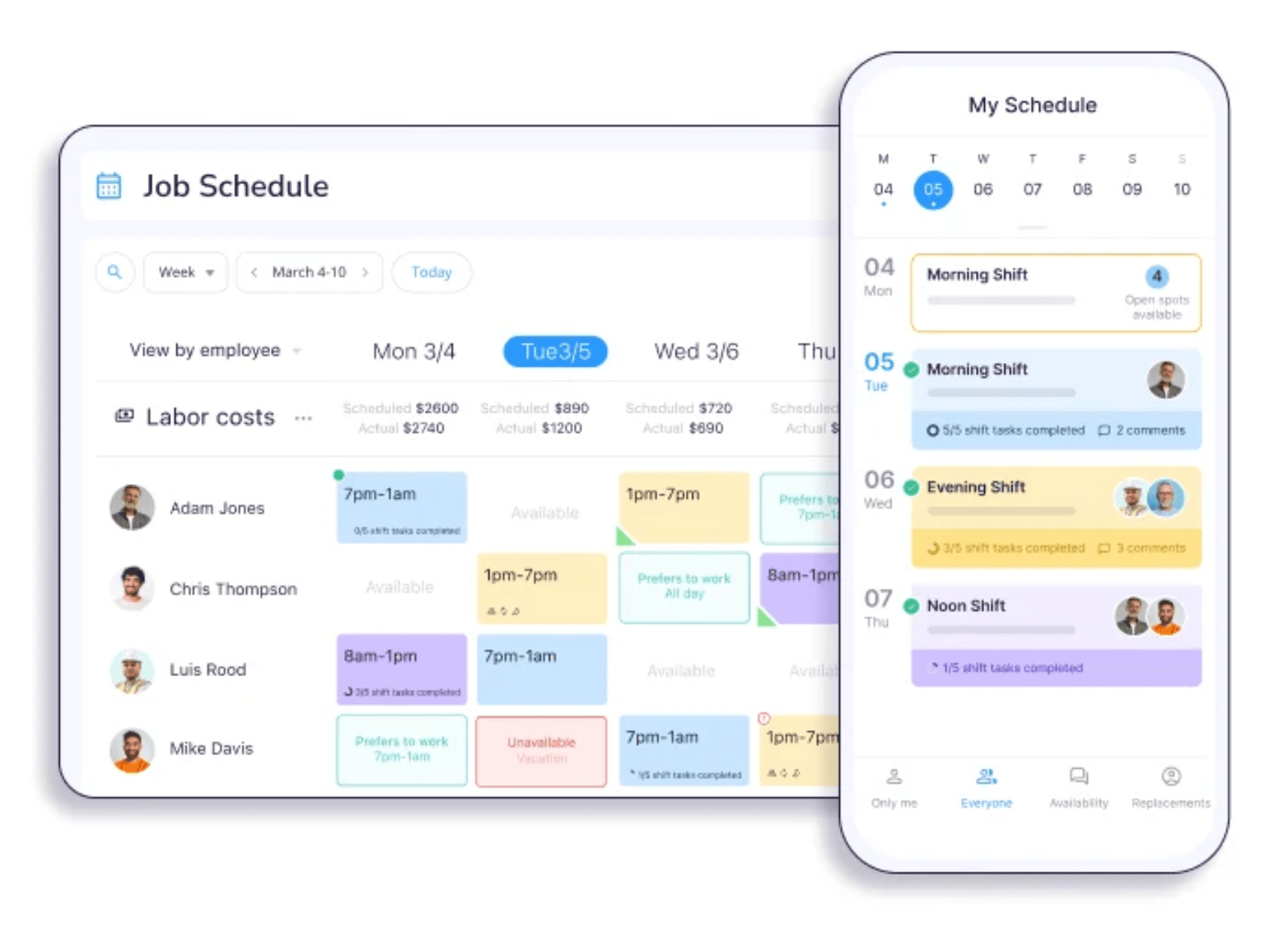
Connecteam is built for field teams, retail workers, and anyone without a desk. The mobile app is actually good (most aren't). It handles shift scheduling, time tracking, and leave requests in one place. Free for up to 10 users, then around $29/month for up to 30 users.
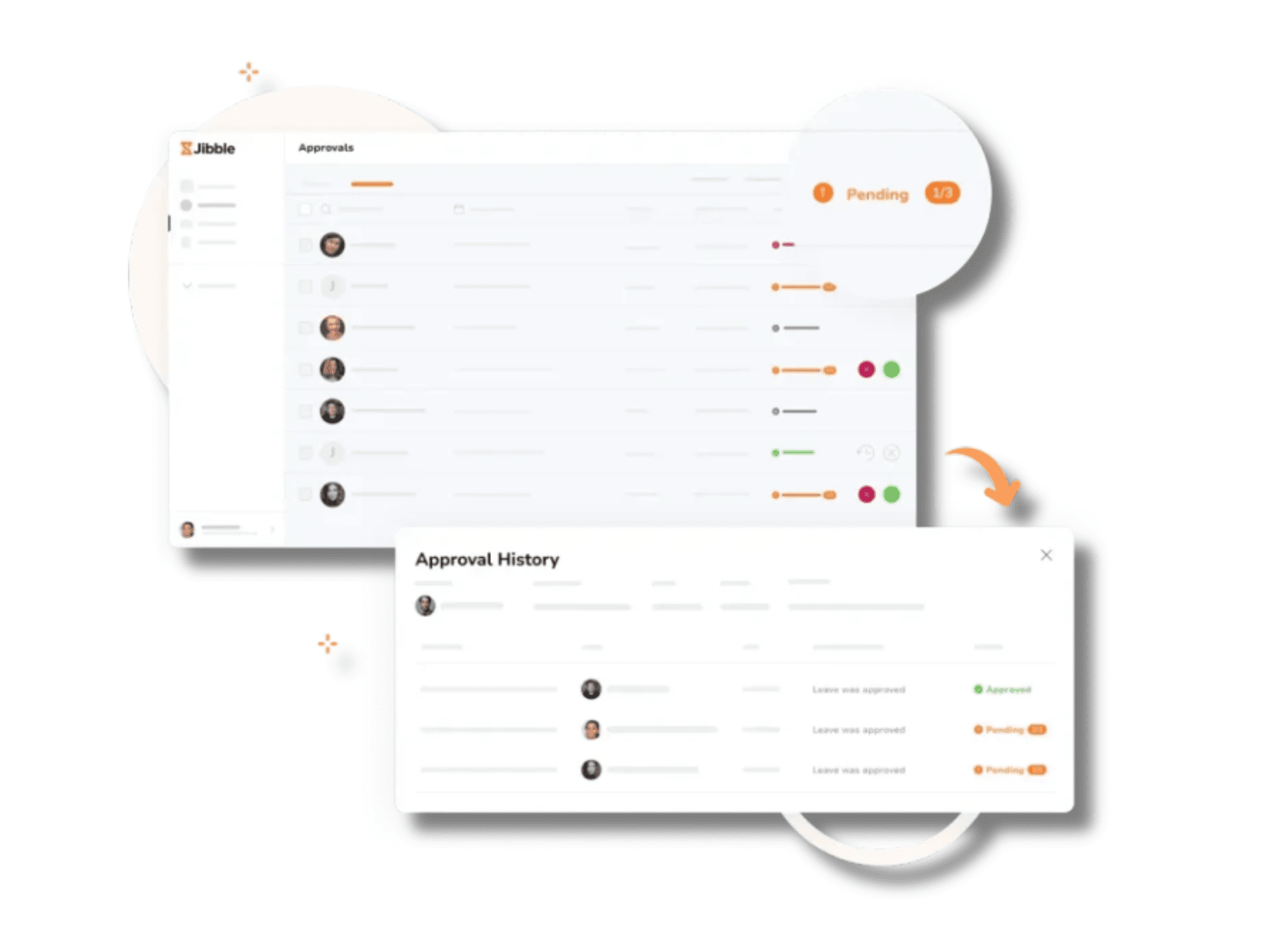
Jibble combines time clock functionality with leave tracking. People can clock in via phone, tablet kiosk, or biometric scanner. It's free for unlimited users with basic features, paid plans start around $2 per user for advanced stuff. The free tier is surprisingly capable.
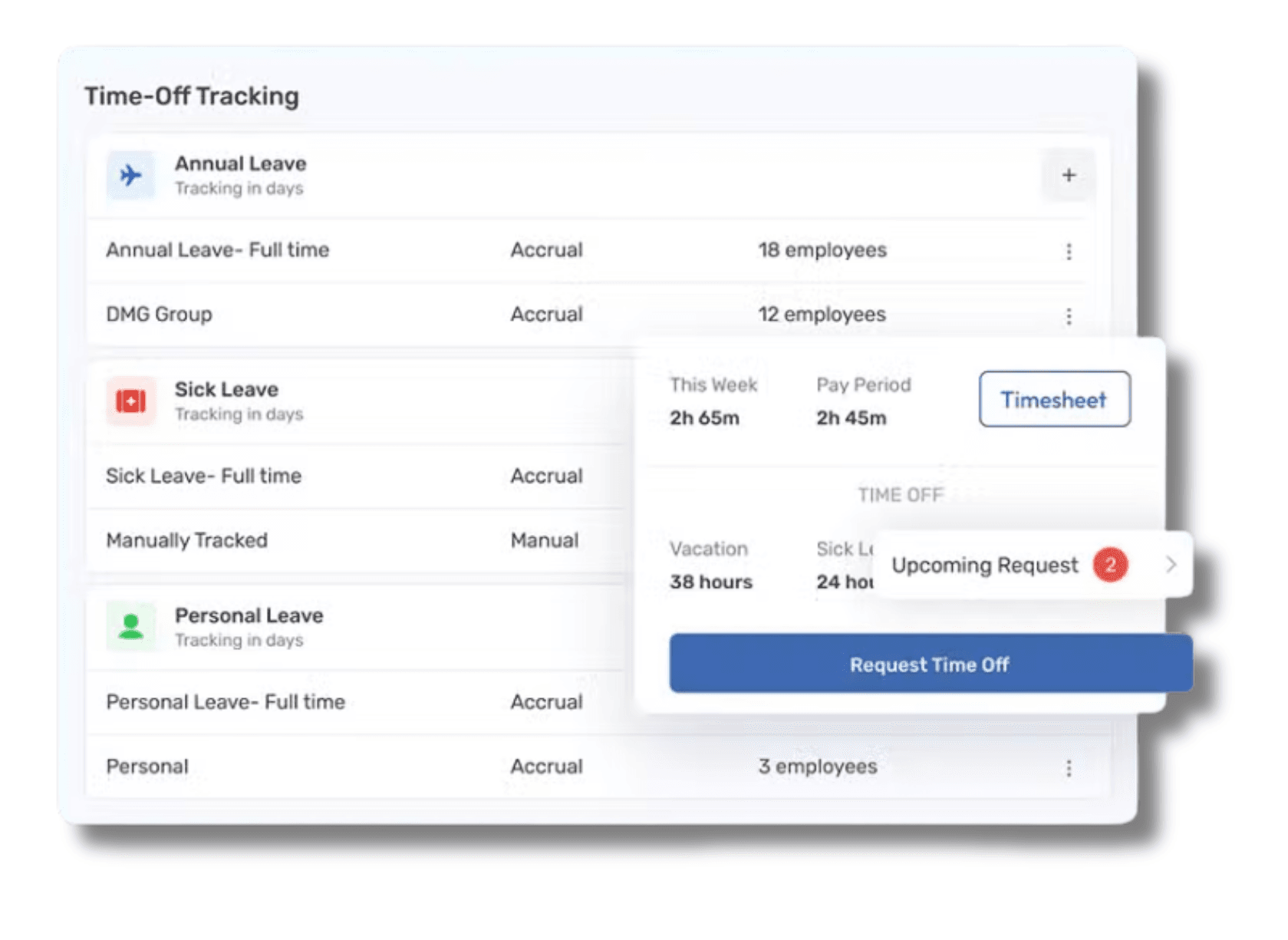
Buddy Punch is similar - time tracking plus PTO management. It's popular with US-based shift workers in healthcare and hospitality. Pricing starts around $3.99 per user monthly. The interface feels a bit dated but it's reliable.
Free and Budget Options That Actually Work
Not every team has budget for paid tools. These free options are legitimately usable (not just "free trials" that push you to upgrade immediately).

Clockify is primarily a time tracker but includes basic PTO tracking for free. Unlimited users, unlimited tracking. The leave management features are simple but functional. If you need something free and you're already using Clockify for time tracking, this works.
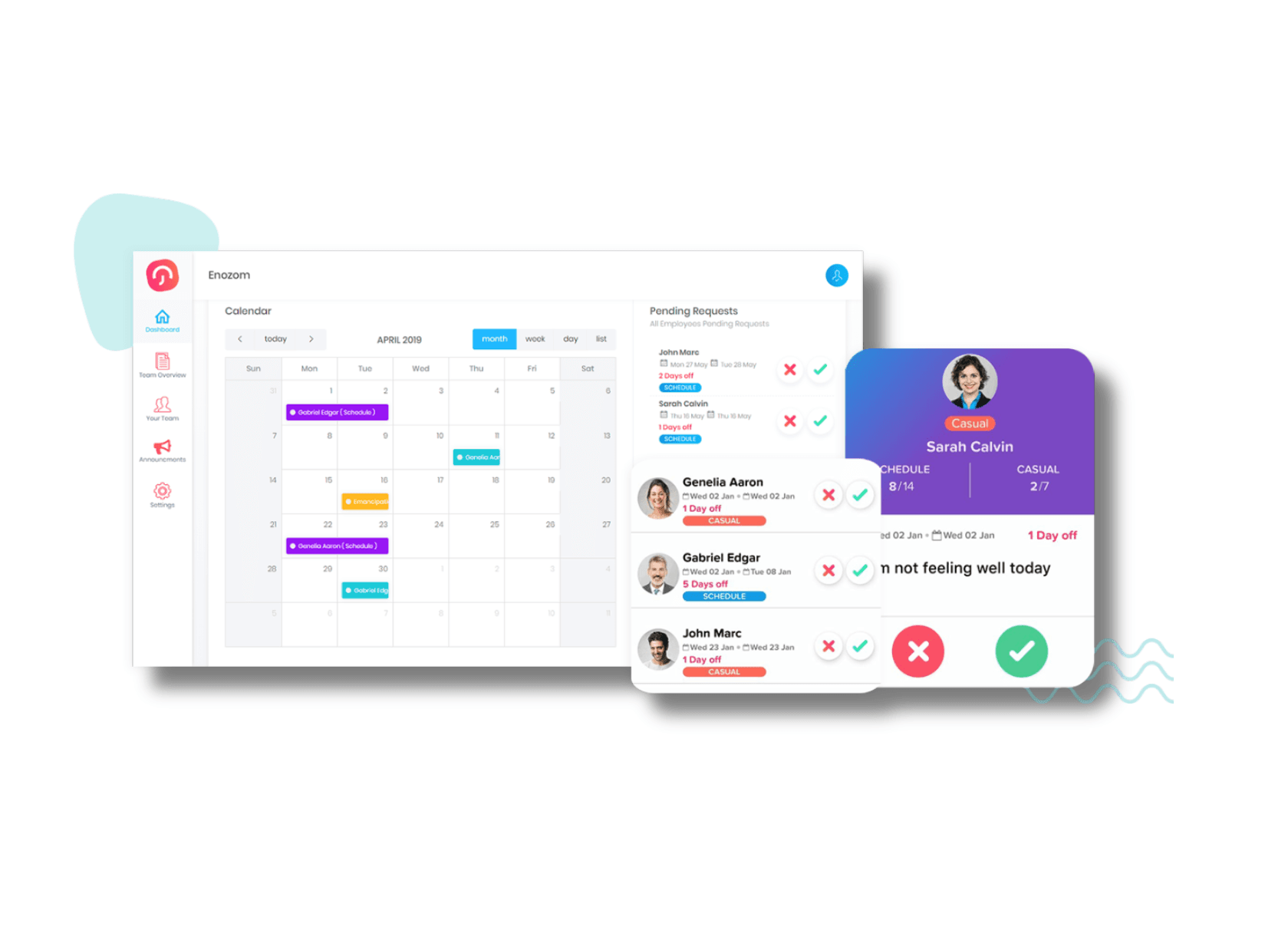
Day Off has a free tier for up to 20 users. It's a standalone leave management tool with a clean interface. The free version is actually useful, not crippled. Paid plans add integrations and advanced reporting.
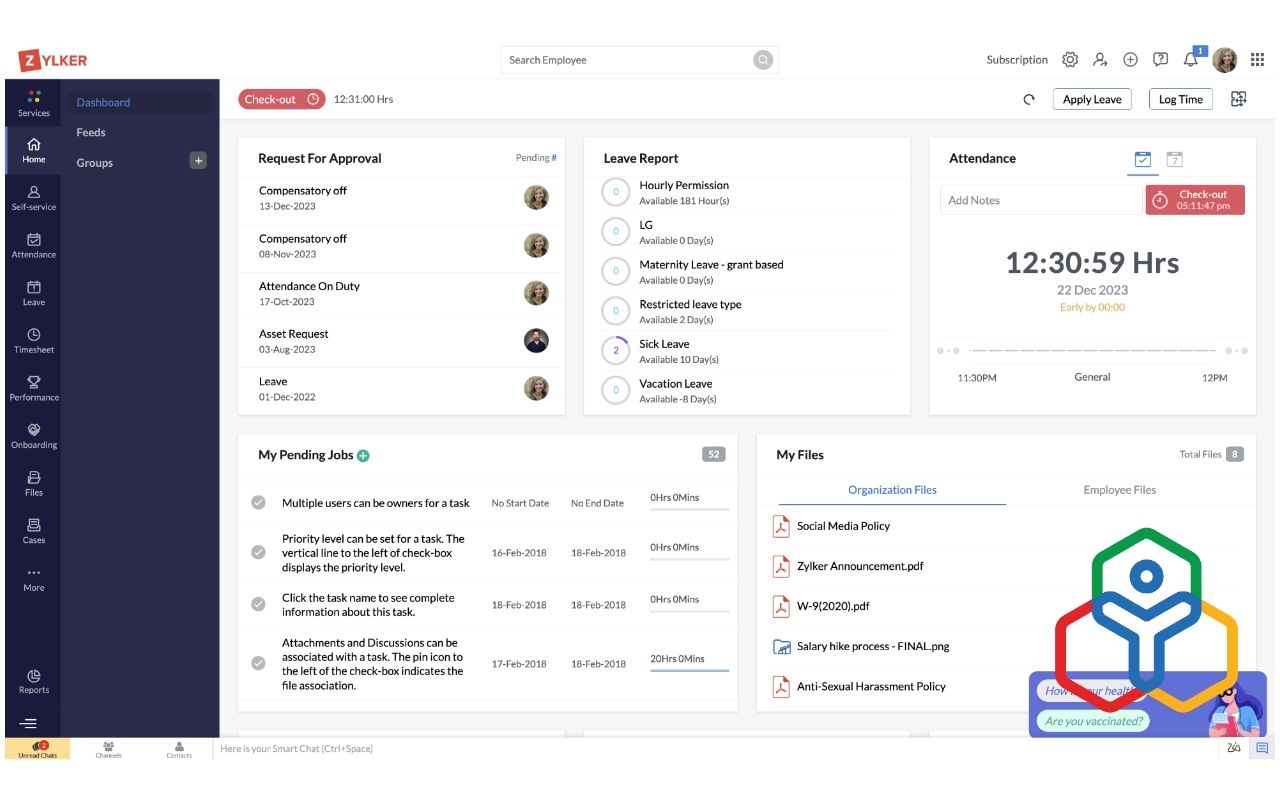
Zoho People is free for up to 5 users, then starts at $1.50 per user monthly. If you're already in the Zoho ecosystem, this integrates well with their other apps. The interface is a bit overwhelming with features you probably don't need, but the core leave tracking works fine.
Specialized Tools for Specific Use Cases
These don't fit neatly into categories but solve specific problems well.
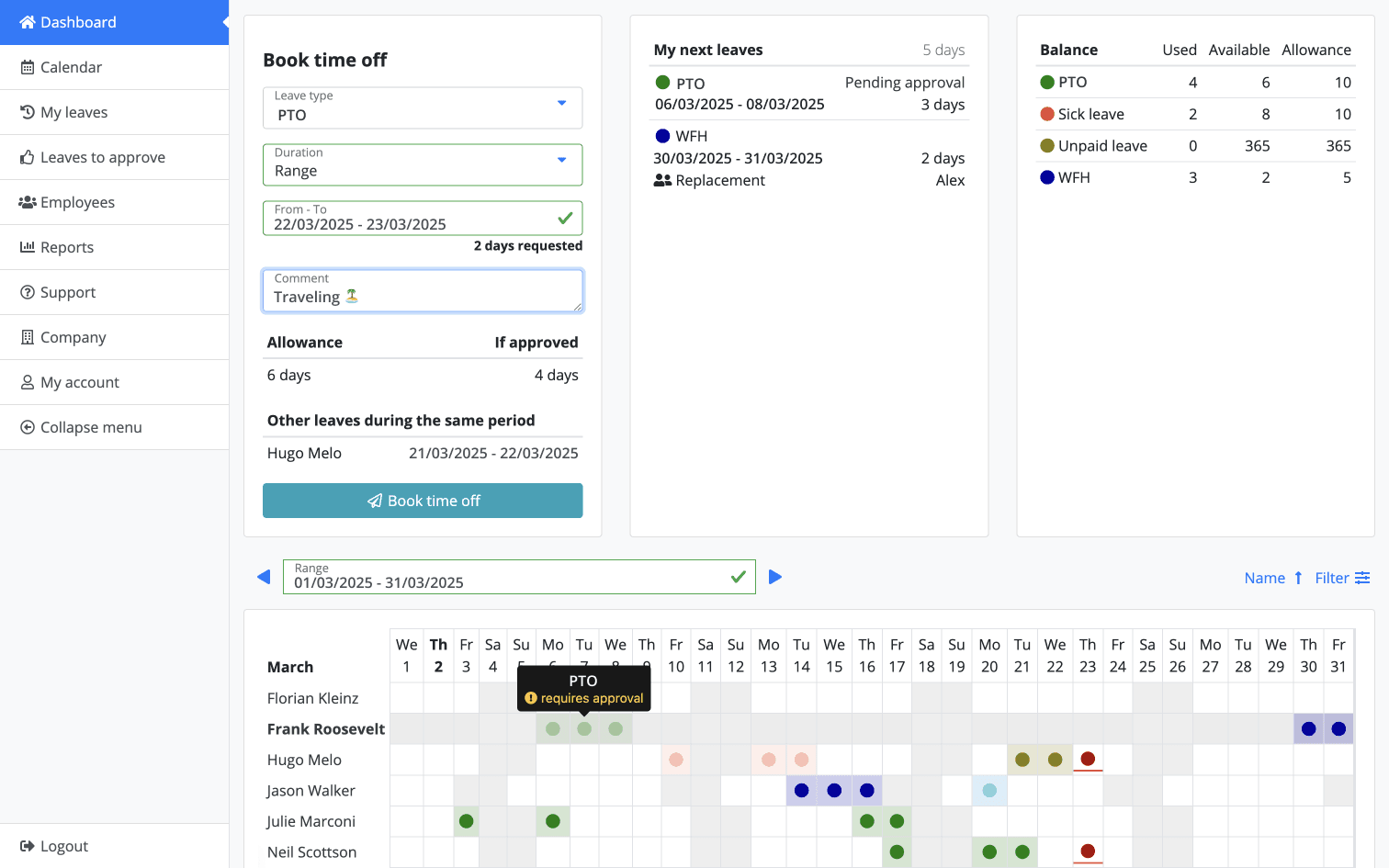
LeaveBoard focuses on visual calendar views and resource planning. If you need to see team capacity at a glance (like "can we take this project if three people are out that week?"), the calendar interface is really good. Starts around €2 per user monthly.
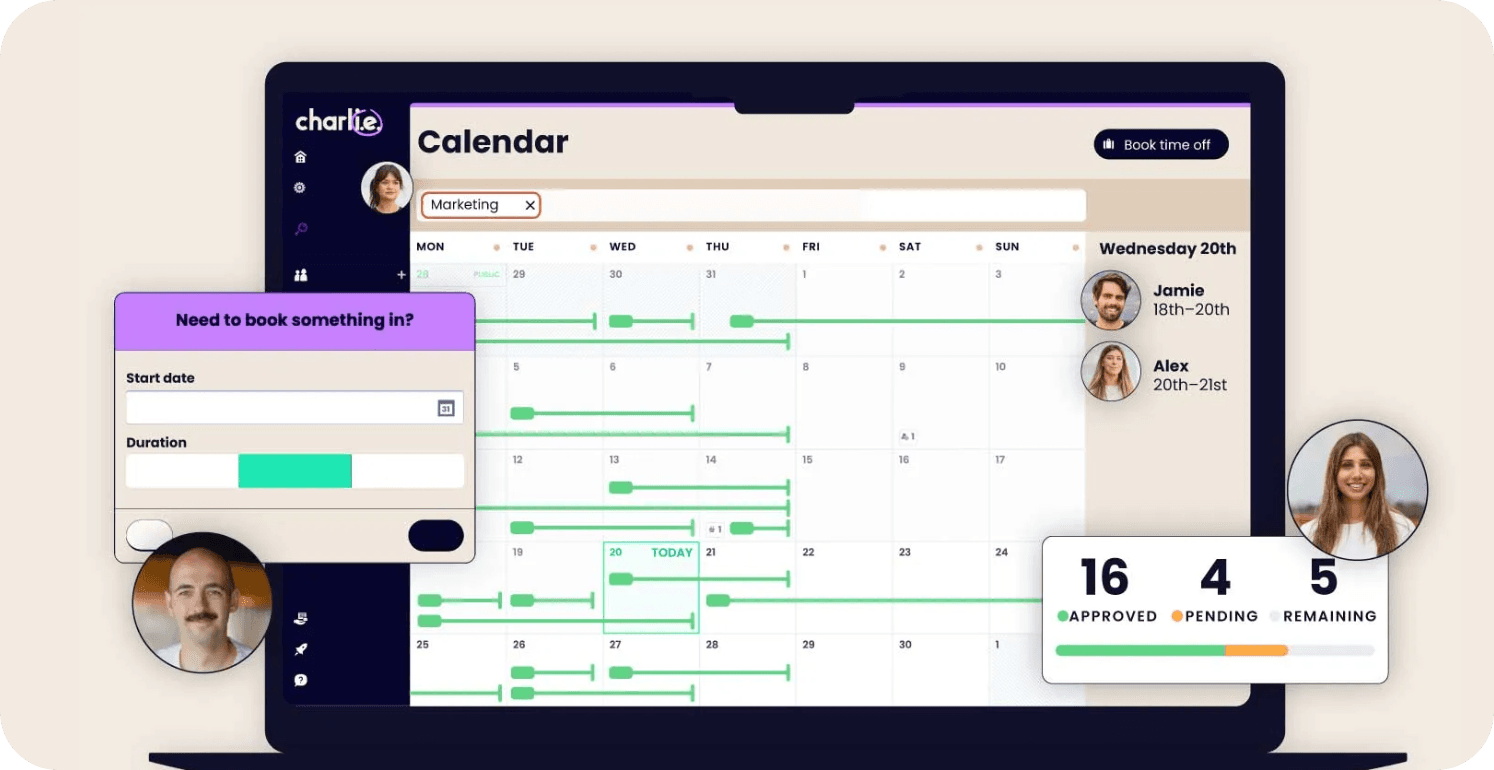
Charlie HR is a UK-based small business HR tool with good leave tracking. It's designed for companies under 100 people who need something between "spreadsheet" and "enterprise HRIS." Free for up to 5 people, then about £3 per person monthly.
BrightHR is another UK tool focused on compliance and documentation. If you need detailed audit trails and policy documentation for legal reasons, they're solid. Pricing varies but expect around £2-4 per employee monthly.
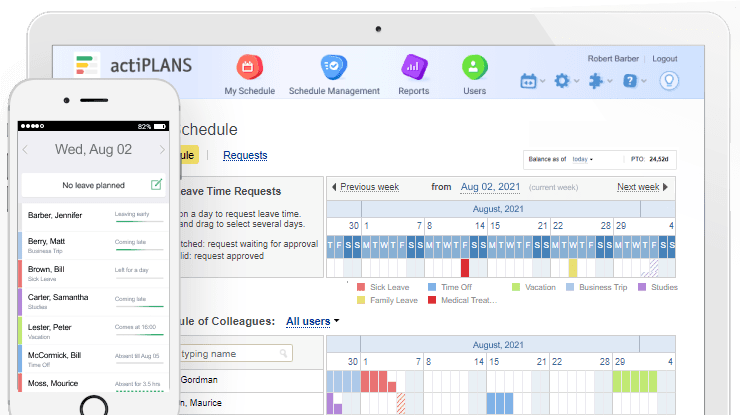
actiPLANS combines project planning with leave management. If you're running a project-based business and need to see both project timelines and team availability in one view, this makes sense. Most other tools make you jump between systems.
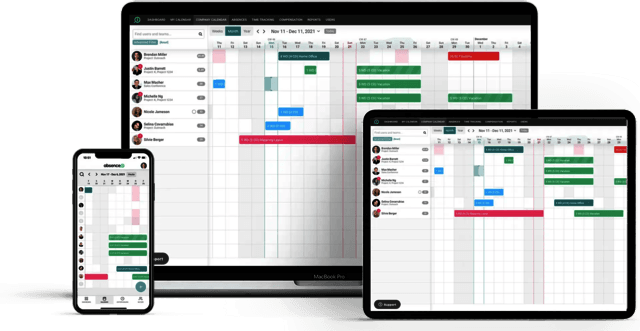
Absence.io is a German tool that's very focused on compliance and works council requirements. If you're operating in Germany or Austria and need to follow strict co-determination rules, this handles the specific workflows. Pricing is custom based on company size.
How to Actually Choose the Right Tool
Stop comparing feature lists. Here's what actually matters:
Start with where your team already works. If everyone lives in Slack, get a Slack-native tool. If you're Microsoft-only, get something that works in Teams. Don't make people learn a new platform for something as simple as requesting a day off.
Match the tool to your complexity level. Under 20 people with simple PTO policies? You need something dead simple. Over 100 people across multiple countries? You need something that handles complexity without breaking. Don't overpay for features you won't use, but don't underbuy and hit limits in six months.
Check if you already have it. Seriously. If you're paying for BambooHR, Gusto, Rippling, or any full HR platform, check their leave tracking features before buying another tool. They're probably good enough.
Think about your team structure. Deskless workers need mobile apps. Remote teams need async approval workflows. Shift workers need integration with scheduling tools. Match the tool to how your people actually work.
European teams need European tools. US-based platforms often bolt on "international support" as an afterthought. If you're managing people across EU countries, get a tool built for European labor laws from the start. It'll save you so much compliance headache.
Look, most teams overthink this. You need something that makes it easy to request time off, easy to approve it, and easy to see who's out. Everything else is nice-to-have. Start simple, and upgrade later if you actually need more features.

Annika Helendi
Annika is a fan of marketing and AI.