
Last updated on April 7, 2026
Who These Platforms Are Actually Built For
Vacation Tracker works for any team size, but it really shines for small to mid-size companies or remote teams. If you need different leave rules based on department, seniority, or location, this is your tool. The whole point is to live inside Slack and Microsoft Teams so your employees don't need another login. They request time off where they already work.
Hibob targets companies wanting a more complete HR system. It tracks leave, hiring, and task management, but also helps you build company culture through on-platform kudos, employee turnover analytics, and more. Mid-size companies looking to keep all HR in one place tend to lean toward Hibob.
Watch the full breakdown here:
What Vacation Tracker Does Well
The setup process is dead simple. Vacation Tracker is 100% self-service (though support is there if you need it). You can be up and running in about a day.
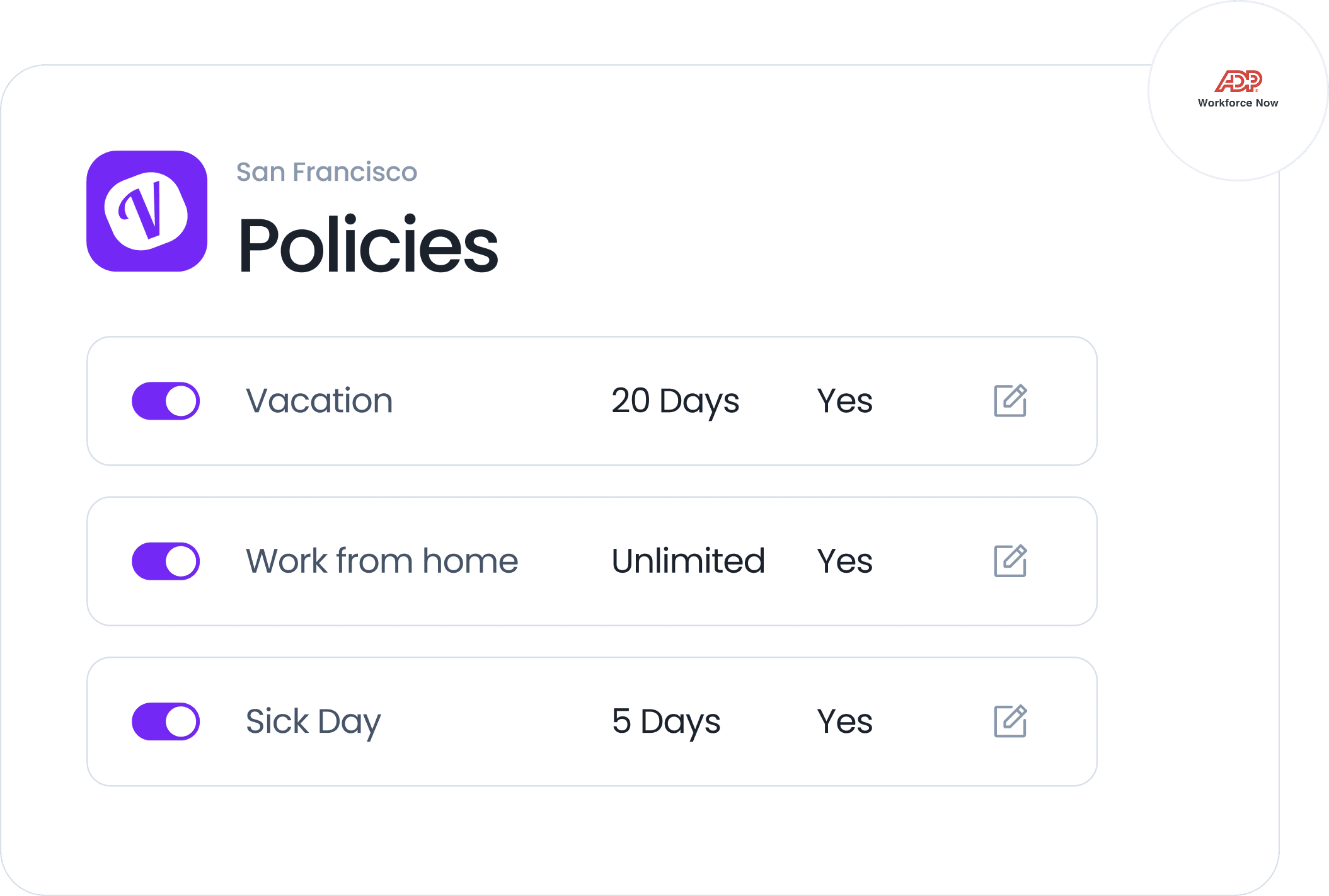
They've built nearly every PTO policy you can think of into the software. Blackout dates, probation rules, accrual caps - it's all there. If your company has some weird edge case, they'll make it work for you.
The team integration is the real strength here. Your team doesn't need another login. Vacation Tracker lives inside Slack, Microsoft Teams, Google Workspace, or even email. Leave requests happen where work already happens. As a manager, you'll know who's out and when, which makes project planning a lot easier.
What Hibob Does Well
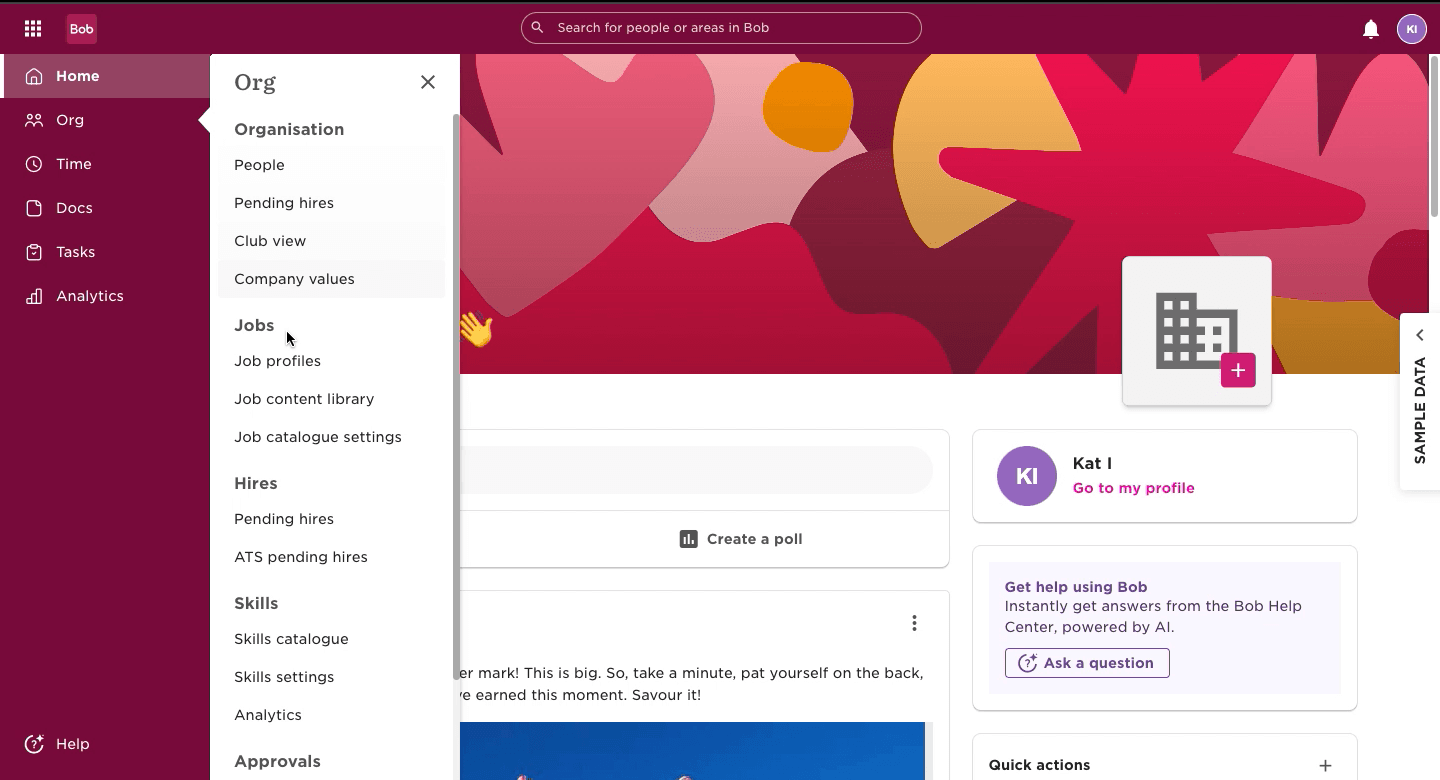
Users consistently mention the interface is easy to use. You get quick access to all core features on the left side, and managing employee data feels straightforward.
The analytics are solid. Real-time dashboards and reports for turnover, retention, and headcount give you actual insight into your business metrics.
Hibob has built a large database of integrations (over 70 of them). This makes connecting your financial analysis, calendars, and payroll systems much easier when you want everything in one platform.
Where Vacation Tracker Falls Short
It's just for PTO tracking. That's the whole point, but it means you're not getting any other HR functions. It integrates with payroll, but it won't house employee documents or help with hiring processes or any other HR tasks.
Where Hibob Falls Short
The pricing isn't transparent. You have to go through their sales process to get a number. Estimates online range from $16 to $25 per employee, plus that implementation fee (10-20% of your annual expense).
Implementation takes several weeks. The main time sucks are data migration from your current tools, configuring settings and new policies, and setting up all the integrations you need.
The functionality has been slimmed down to make it easier to use. This works well for most cases, but there are edge cases where you might want more depth in the analytics that you just can't get.
Direct Comparison: Vacation Tracker vs. Hibob
Compare features
Price: Vacation Tracker is $2 per user per month with a free plan available. You can try paid features with a 7-day trial (no credit card required). Hibob uses custom pricing, so you won't know your exact cost until you complete their sales process. They offer a free demo with an expert.
Setup Time: Vacation Tracker takes about a day or less because it's fully self-service. Hibob can take several weeks since it's a full HR platform that needs data migration, configuration, and integration setup.
Features: Vacation Tracker focuses entirely on PTO - time off management, leave automations, real-time calendar syncing, customizable policies and reporting, and multi-location support. Hibob covers core HR, applicant tracking, payroll integrations, performance management, time off, people analytics, and learning and development. If you need all those things, great. If you don't, you might be paying for more than you need.
Integrations: Both have plenty, but Hibob really shines here with 70+ integrations. Vacation Tracker integrates deeply with Slack, Microsoft Teams, and Google Workspace, plus has a Zapier integration so you can connect it to basically anything. Both platforms have an open API.
Support: They're about equal here. Both offer live chat, email support, and live calls if you need them.
Implementation Fees: Vacation Tracker doesn't have one. Hibob charges 10-20% of your annual cost. Confirm this early in your sales calls because it varies by situation, but factor it into your budget from the start.
Which One Should You Choose
There's no best tool. There's just the best tool for you.
Small to mid-size teams that don't need a full HR system quite yet benefit a lot from Vacation Tracker. It's quick to implement and easy for everyone to adopt. If you already have other HR tools you like and just need rock-solid PTO tracking, this is your answer.
Larger teams or companies needing more HR structure might lean toward an all-in-one solution like Hibob. If you're ready to consolidate everything into one platform and have the time and budget for a proper implementation, Hibob makes sense.
If you're still deciding, test both. Vacation Tracker has a free trial and it's very easy to set up a demo call with the Hibob team. That alone can give you a clear answer of what you need to do moving forward.
Want to try Vacation Tracker? Check it out here.
Want to reach out to the Hibob team? Reach out here.