Last updated on August 17, 2026
Inside Vacation Tracker: How We Work Remotely, Build Video Content, and Navigate Modern B2B Marketing
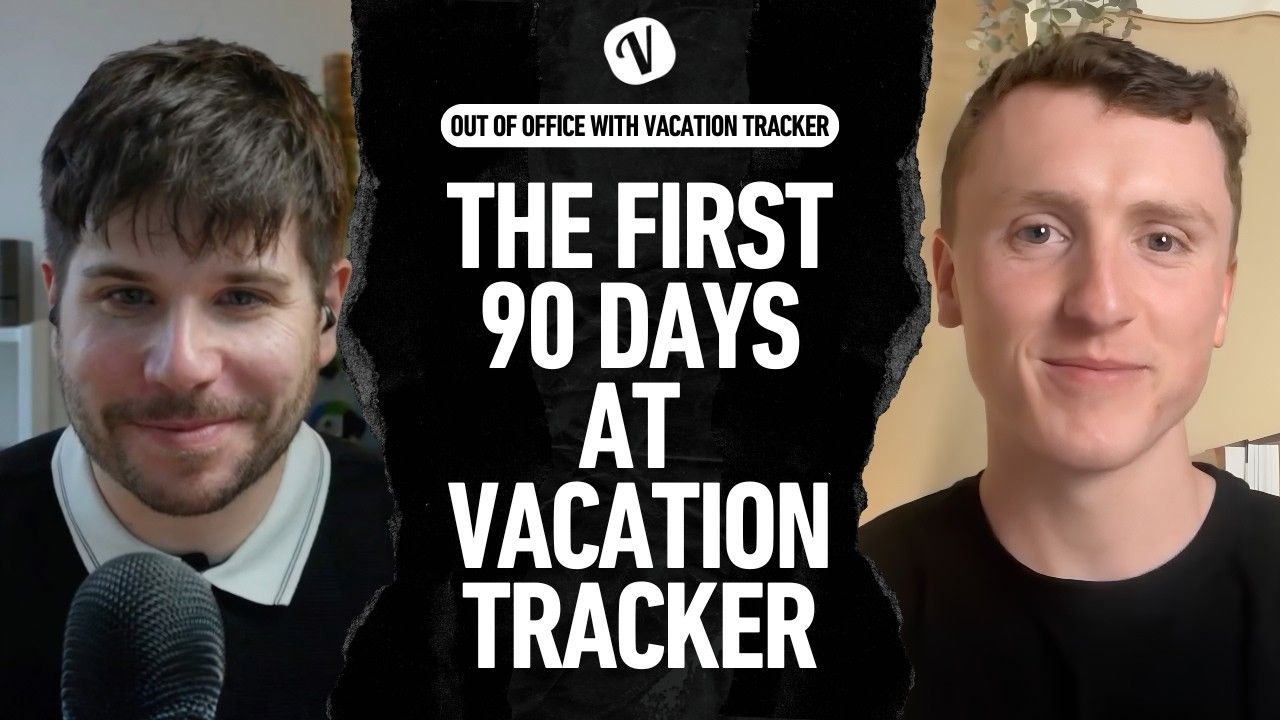
Watch the full conversation here:
From Exercise Physiology to Content Marketing
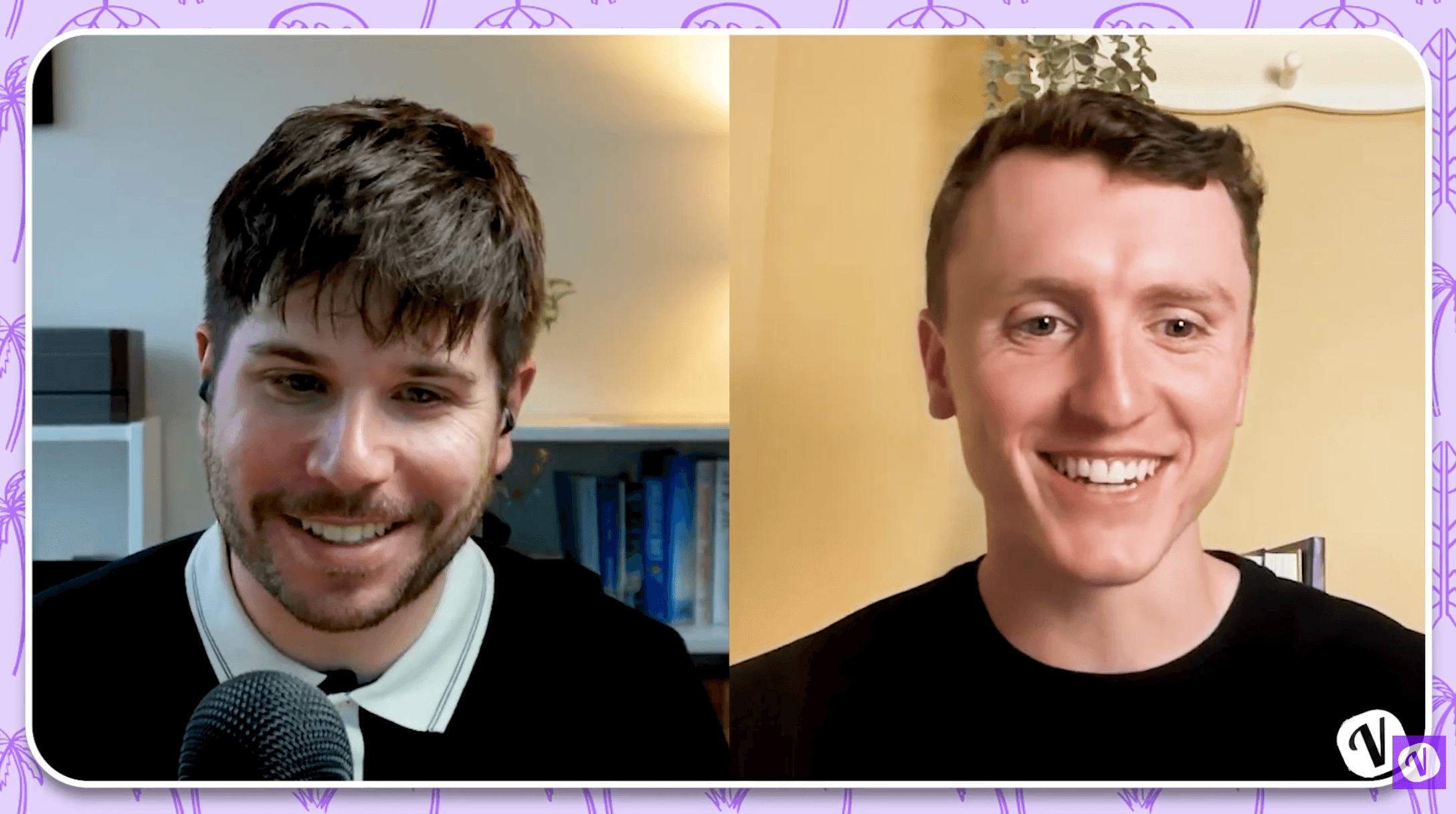
Nick didn't take a straight path into marketing. He studied exercise physiology in college because he loved sports and body movement, but halfway through realized he didn't want any of the jobs that degree would lead to. Instead of switching majors, he started building side projects and teaching himself marketing, SEO, and eventually video production.
Before joining Vacation Tracker, Nick spent about four years in e-commerce marketing. The shift to B2B SaaS represented a completely different challenge - one where the product itself isn't inherently entertaining, and the sales cycle involves buying committees rather than impulse purchases.
Why Vacation Tracker Stood Out
What drew Nick to the company was simple: transparency. Most job applications feel like AI-generated black holes where you never really know what you're getting into. But Vacation Tracker had videos, content, and actual personalities visible before he even applied.
"It's easy to be like, oh, this is a place that I feel like I could maybe fit in," Nick explained. The video-forward approach meant he could see the team, understand the culture, and gauge whether his personality would mesh - all before the first interview.
The role itself checked multiple boxes. Nick had been getting more into video work and always wanted to work on YouTube channels professionally. But he also appreciated that the job wasn't purely video - there was SEO work, ads, and general marketing strategy involved. For someone who describes himself as a dabbler, it was perfect.
Life in an Async Remote Company
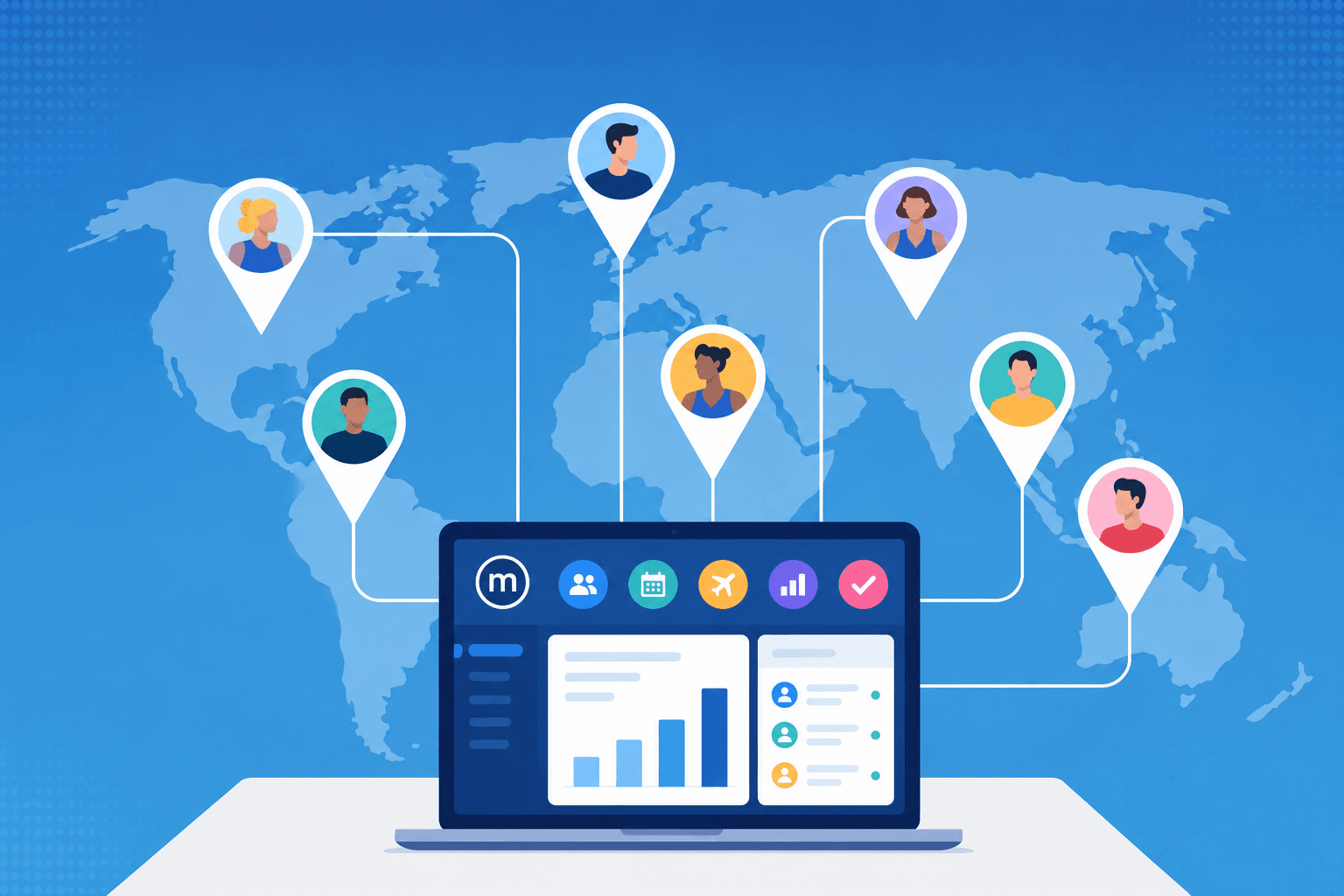
Three months in, Nick's biggest takeaway about remote async work is how much it reduces friction. The team meets once a week on Wednesdays for a check-in, but beyond that, everyone operates on their own schedule across different time zones.
"There's no micromanagement," Nick said. "It really reduced that amount of like back and forth." The company works on deliverables, not timelines. If Nick says he'll shoot a video by a certain date, the team trusts him to deliver without breathing down his neck every day asking for updates.
This approach only works if you're a self-starter. Nick's been one his whole career, so the structure fits naturally. But he acknowledged it requires a certain personality type - someone who can manage themselves well when working from home.
The team uses Slack heavily for async communication. Half the team is in Europe, finishing their day as North American team members are starting. Despite the time zone challenges, Nick found everyone incredibly available and helpful. He set up one-on-one meetings with team members during his first month to get to know everyone, though he admits he got a bit overwhelmed and paused that process temporarily.
The YouTube Strategy: Give Everything Away
Nick's primary focus is creating video content for Vacation Tracker's YouTube channel. His biggest learning? Give away the most value possible without holding back.
"There's always like a hesitation to give away like the most knowledge or everything that you know about something," he explained, "but really like giving it all away for free is the best way to get the most subscribers or whatever your goal is."
For B2B SaaS, the strategy differs slightly from educational YouTube channels. Vacation Tracker isn't holding back proprietary knowledge - they're building content to capture AI search and organic search through video. They know AI is crawling their videos because it references things only mentioned in the spoken content.
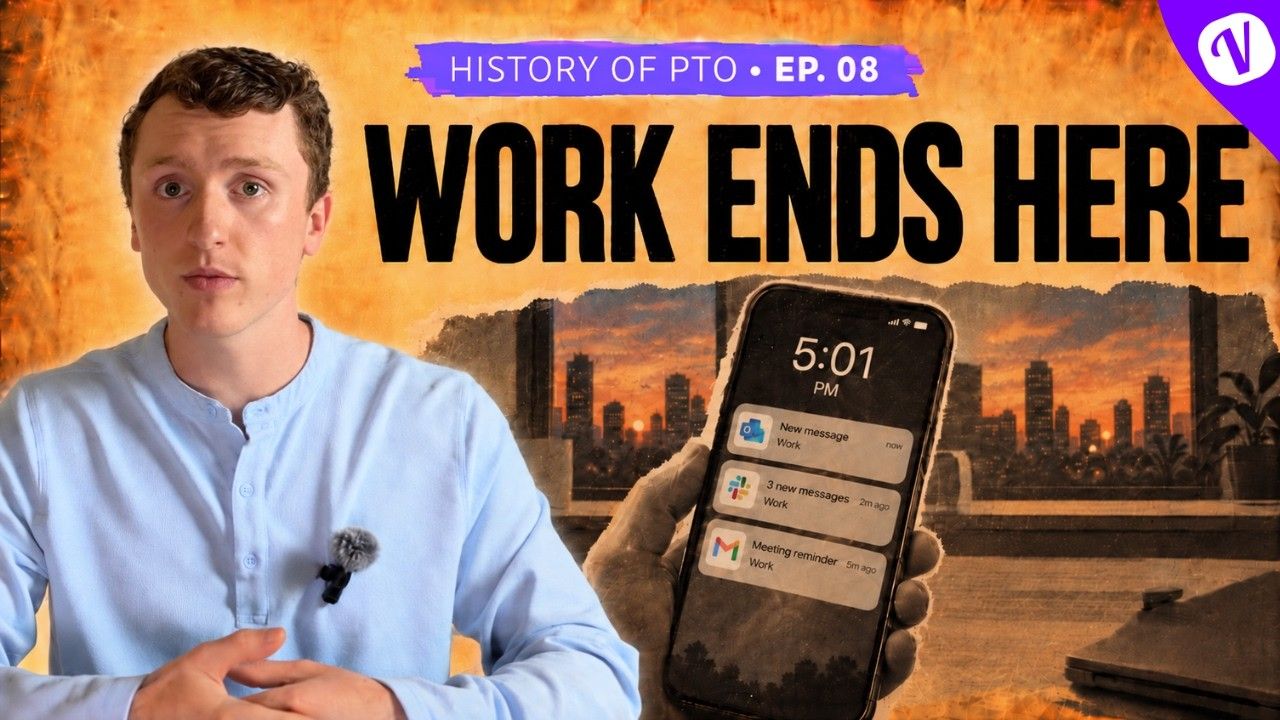
The company is also experimenting with top-of-funnel content. Nick's been producing a "History of PTO" series - short, entertaining clips about vacation and time-off history. These aren't directly about the product, but they build brand associations: helpful, entertaining, related to the vacation space.
The Real Blocker: Finding Quality Editors
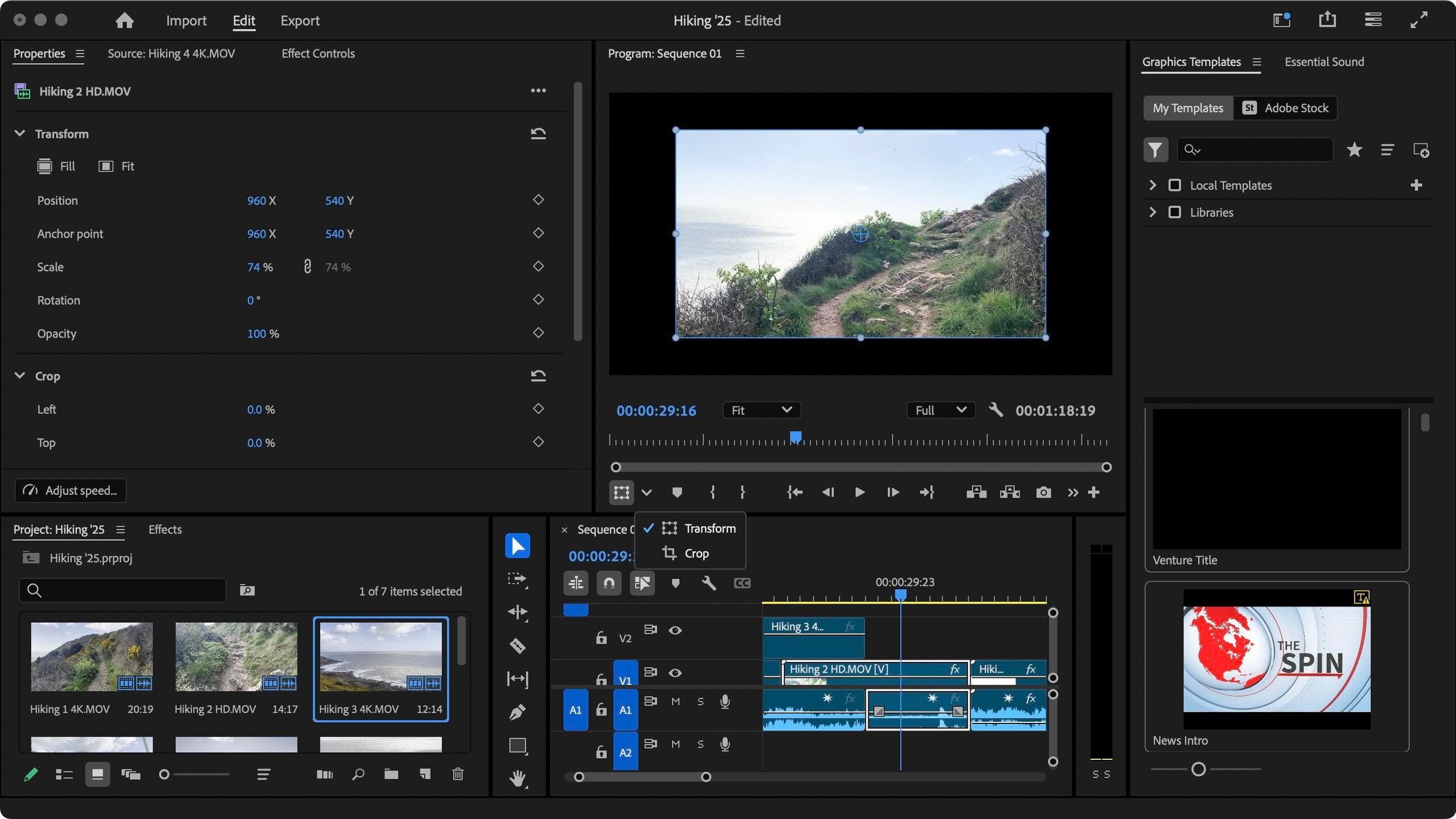
When asked about the biggest challenge in video production, Nick didn't hesitate: "It's editors. It's finding quality editors when you're trying to scale up."
The scripting, shooting, and rough cutting aren't the hard parts. Nick does a rough cut himself so editors don't have to figure out which takes to use. But managing multiple contract editors, each working on their own timeline, creates organizational chaos.
The solution moving forward involves focusing on quality over quantity. Rather than trying to hit a high weekly video quota, they're building a reliable pool of editors and being more selective about output. It's about finding the right people and giving them breathing room to do good work.
The Death of Traditional Ad Targeting
One of the most eye-opening aspects of modern marketing, according to both Nick and David, is watching ad platforms systematically deprecate targeting features that were baseline just five years ago.
"Even the ad platforms are just deprecating targeting or features whether it's because of AI or because of privacy concerns," David explained. Basic capabilities that marketers relied on are disappearing or being sunset.
Vacation Tracker is currently trying to move upmarket, targeting slightly larger companies. But outside of LinkedIn, there's no good way to target by company size anymore. The closest option is building lookalike audiences, but those don't account for company size - they focus on industry, demographics, and job titles.
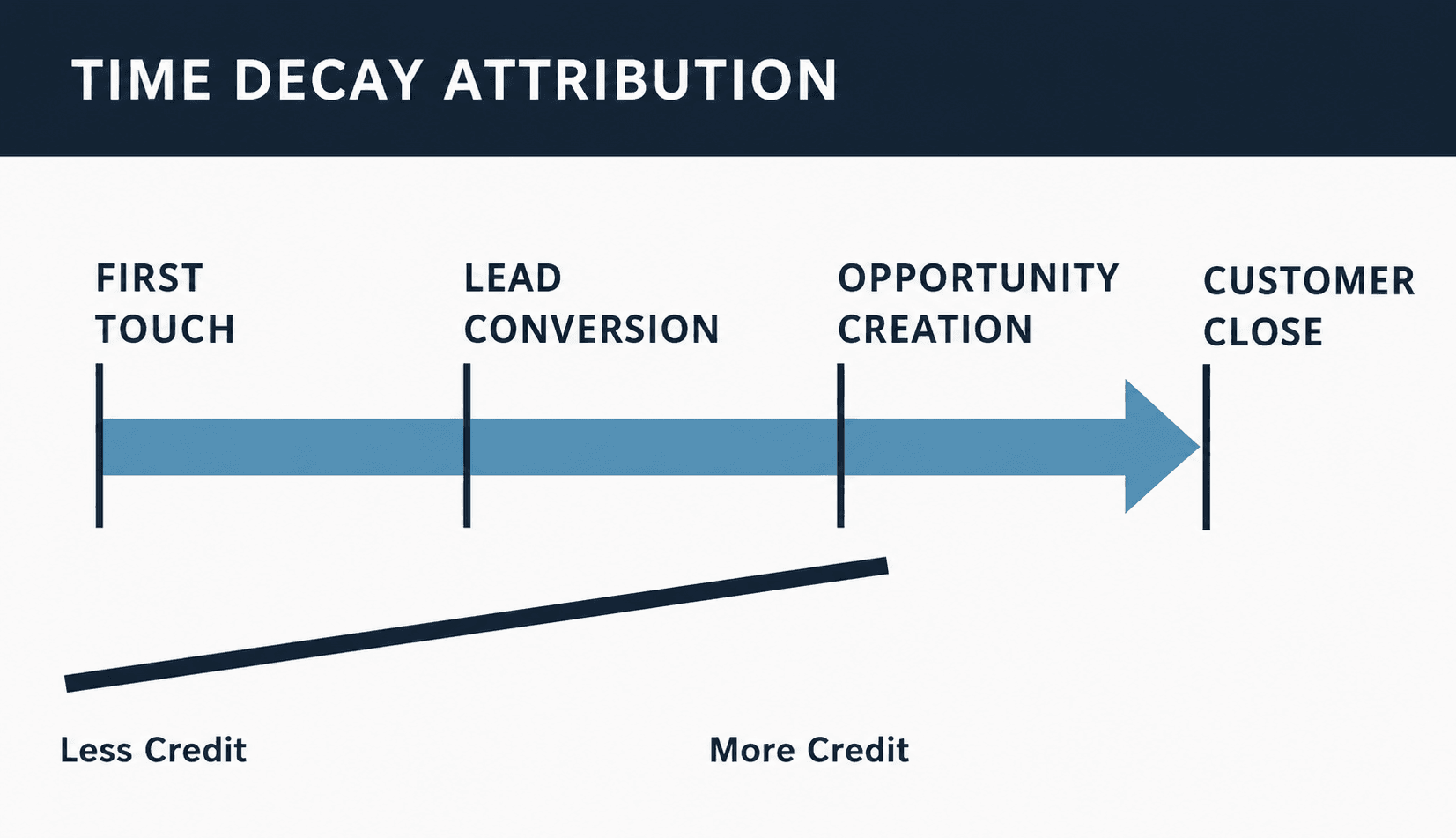
This creates a fundamental attribution problem. Even when companies weren't targeting specific segments, tracking who's using your product and where they came from was already difficult. Now it's nearly impossible.
When Organic Content Becomes the Ad
With traditional advertising becoming less effective and more expensive, the team sees organic content as the path forward. Not just as a top-of-funnel strategy, but as the actual advertising mechanism.
"That's where like the organic content becomes the ad," Nick said. People are so fed up with seeing ads in their feeds that they scroll past even well-produced, expensive content. But organic content that provides value? That still gets attention.
The challenge is making people care about PTO tracking. It's not inherently entertaining. So the team is experimenting with content that's loosely attached to Vacation Tracker - things related to work-life balance, vacation culture, and time management that build brand awareness without being direct product pitches.
They're also considering more creative campaigns. David mentioned an idea he's had since starting: a vacation sweepstakes where they pay for an all-expenses trip for a family of four. The catch? It would be expensive to execute, expensive to advertise, and complex to structure in a way that attracts potential customers rather than just sweepstakes hunters.
B2B vs B2C: The Breathing Room Nobody Talks About
One underappreciated aspect of B2B marketing is the breathing room it provides compared to B2C. In consumer businesses, especially with physical products, one bad week can create real problems. You're dependent on daily sales, dealing with distribution costs, and often working with lower margins.
B2B SaaS, especially with longer sales cycles, gives you time. Time to breathe, time to pivot, time to readjust strategy. If your sales cycle is 60 days, you're not panicking about daily conversion rates the same way.
"I definitely don't take that for granted," David said. "I think a lot of people do when they work in B2B."
The tradeoff is complexity. B2B sales involve buying committees. You might win over one champion, but they still need to convince leadership to sign off. In B2C, if someone sees your ad for protein supplements and wants it, they're the last stop. They either buy or they don't.
Nick came from cyclical consumer businesses where off-seasons meant carrying loans to bridge to the next busy period. "It's a different set of anxieties," he laughed. B2B isn't without problems, but the recurring revenue model and longer sales cycles create stability that consumer businesses often lack.
Onboarding Without Overwhelming
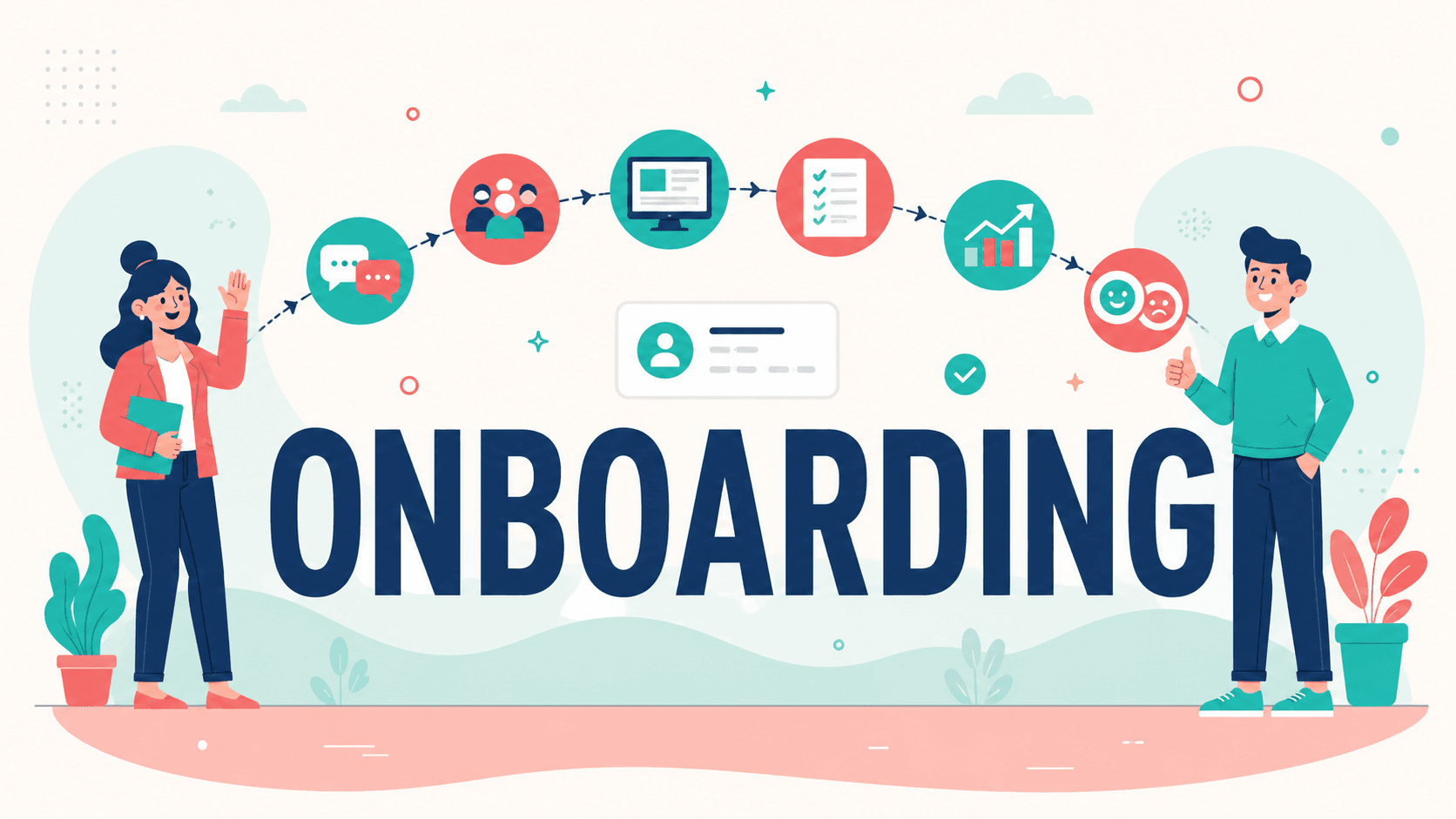
David's approach to onboarding Nick was intentionally gradual. Rather than dumping a massive reading list on day one, he piecemealed information - suggesting specific resources to check out each day or week, always emphasizing "on your own time."
This approach came from David's own onboarding experiences. "I've gone through that and I'm like, I did not like that," he said about being given everything upfront. "I'd rather kind of piecemeal, giving you stuff."
The philosophy is simple: get your hands dirty. Reading documents doesn't teach you nearly as much as actually doing the work. So while David provided the basic building blocks, product knowledge, and introductions, he trusted Nick to figure things out at his level.
"At the level we were hiring you for, the idea there was kind of like you should be able to figure this out," David explained. He wasn't going to guide Nick through how to use their social media scheduler - that's something a content marketing manager should be able to handle independently.
Nick appreciated the approach. "It was actually really nice cuz then like you don't know what to ask and you don't know what you don't know." Having daily check-ins where David asked if anything was wrong or if he had questions provided safety without being overbearing.
The AI Adoption Curve
One aspect that's changed dramatically even in David's tenure at Vacation Tracker is AI adoption. "The AI adoption has been like insane, exponential, skyrocketing," he said.
David admits he wasn't initially a believer. Early AI tools produced too much garbage and repetitive content. But now? "Every day gets better. Every day I open up my Claude instance, there's a new update."
The company is aggressively AI-forward, with leadership actively pushing the team to use more AI tools and burn more credits. Nick loves this approach - it's an investment in making him better at his job.
Image generation has improved dramatically. Even basic tasks that used to be simple - like swapping a logo in a thumbnail - can still be hit or miss, but the overall trajectory is clear. Nick uses ChatGPT personally and professionally, while David bounces between Claude, ChatGPT, and Gemini to compare outputs.
"We'll give them that feedback," Nick joked about the constant update notifications. "Stop making it better."
Appreciating the Unsung Heroes: HR Teams
The conversation ended on an unexpected topic: HR departments. Both David and Nick agree that HR teams are criminally underappreciated.
"They're like the glue that holds the company together," David said. They push for employee performance plans and growth opportunities. They organize team building events. They create the culture.
But they also catch all the flak. When they have to enforce policies or put their foot down, employees forget that HR works for the company - they're executing decisions made by senior leadership, often with minimal budget.
The pizza party meme exists because executives give HR teams $50 budgets and expect magic. "Well, what am I supposed to do with this?" as David put it.
For Vacation Tracker, the product itself is about making HR teams' lives easier. One less thing on their plate. One less spreadsheet to manage. More time to focus on the work that actually makes companies better places to work.
And maybe, just maybe, more time to plan something better than a pizza party.

Nicholas Lydon
Nick is the Content Marketing Manager at Vacation Tracker, where he turns leave management, HR headaches, and the occasional oddly specific PTO question into content people can watch. He spends most of his time creating videos, articles, campaigns, and creative experiments that make HR a little less boring.