Last updated on September 8, 2026
How France Became the First Democratic Nation to Guarantee Paid Vacation in 1936
In June 1936, something extraordinary happened on train platforms across Paris. Working-class families boarded trains heading to the coast for their first vacations ever. Just weeks earlier, the French National Assembly had passed a law guaranteeing two weeks of paid leave for every worker. This wasn't just policy change. It was a cultural revolution that would reshape how democratic societies think about work and leisure.
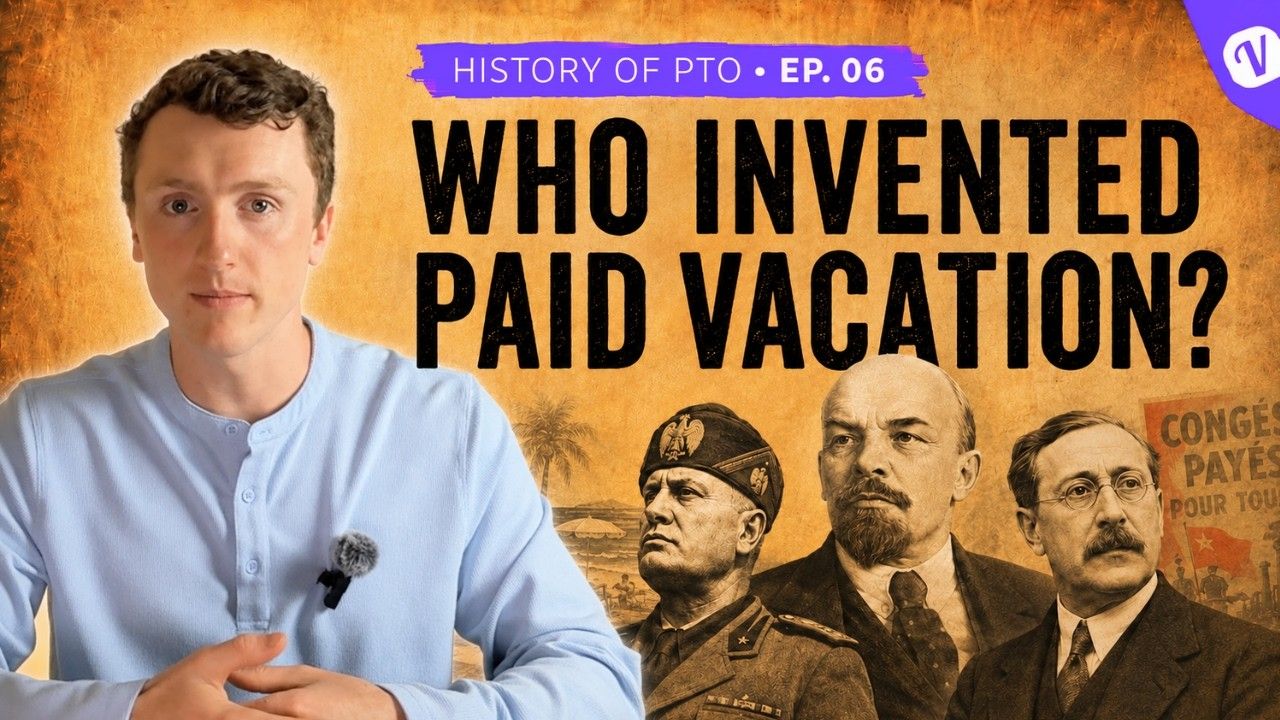
Watch the full video below to see how this historic moment unfolded.
Workers Had No Paid Time Off at the Turn of the 20th Century
At the start of the 1900s, workers had achieved one major victory: the 8-hour workday had become standard or law in most countries. But that's where progress stopped. Nowhere in the world did employers have to pay workers for annual leave.
If you got sick, you lost that day's pay. If you had a baby, you went unpaid. And vacations? Those were exclusively for the upper class and maybe some upper-middle-class folks who could afford them.
Occasionally, a factory might shut down for retooling, giving workers unplanned time off. But the concept of paid vacation for ordinary workers simply didn't exist.
The Bolsheviks Created the First National Paid Vacation Law in 1922
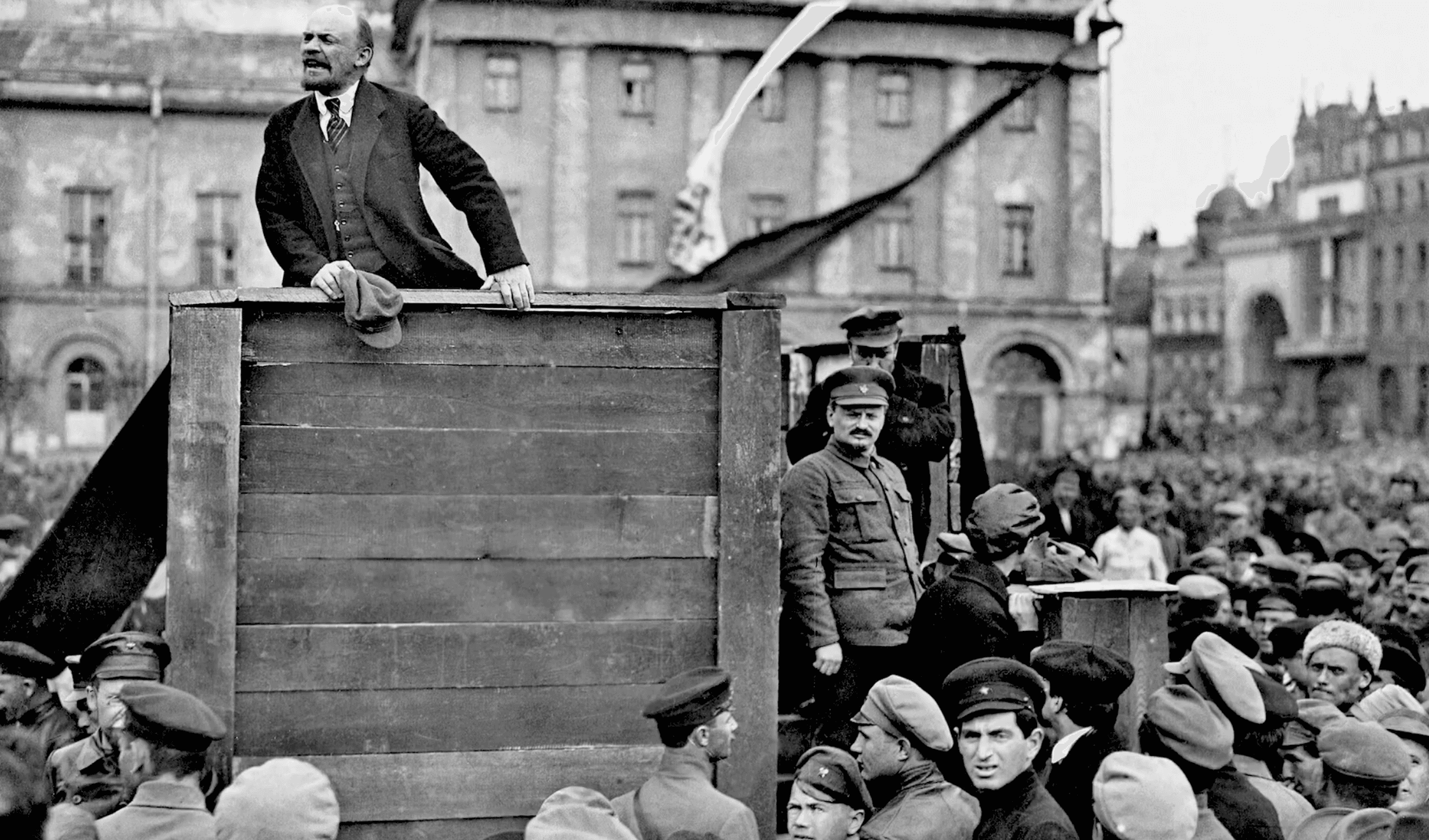
In October 1917, the Bolsheviks seized power in Russia. On their second day in office, they decreed an 8-hour workday for all Russians. Over the next five years, they developed what would become the Soviet labor code. While an initial decree signed by Vladimir Lenin in 1918 gave workers two weeks of annual leave, it was codified into law in 1922.
The Soviet labor code guaranteed an 8-hour workday, capped workers at 41 hours per week, regulated overtime, and guaranteed two weeks of paid vacation for every worker with at least six months of continuous employment. This made it the first national law to establish paid vacation in history.
But there was a significant problem. The totalitarian bureaucracy meant enforcement was uneven and frequently disrupted by war, famine, or Stalin's industrialization plans. Still, the principles were written down, and that mattered.
Fascist Italy Established Paid Vacation as a Political Tool in 1927
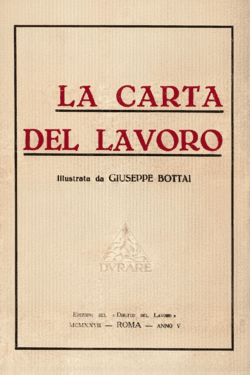
Five years passed before another major movement in labor laws. In 1927, Mussolini's fascist regime in Italy issued the Charter of Labor (the Carta). Among its provisions, it guaranteed annual vacation for workers.
This is notable because both fascism and communism figured out labor laws like paid vacation before any capitalist democracy did. But there was a darker side. The state gave workers paid leisure, which bound them more tightly to the state itself. Paid vacation became a political tool rather than a genuine worker benefit.
The Great Depression Made Democratic Countries Notice Their Labor Gap
By the 1930s, the democratic world was going through serious turmoil. The Great Depression had shattered economies, unemployment was catastrophic, and Italy and the Soviet Union could point to their labor systems as evidence they were taking care of workers. Meanwhile, democratic nations had no such story to tell.
This set the stage for change, particularly in France. In the early 1930s, French politics were unstable. In 1935, the parties on the French left (socialists, communists, and radicals) formed an alliance called the Front Populaire. A year later in 1936, they gained a parliamentary majority.
Socialist leader Leon Blum became France's Prime Minister, making him the first socialist and first Jewish Prime Minister in French history. But the celebration didn't last long.
Two Million French Workers Occupied Factories and Demanded a New Social Contract
Between Blum's election and when he took office, French society took a massive turn. Over the span of one month, two million French workers went on strike. But this wasn't a traditional strike where people walked out. Instead, they occupied factories and refused to work while staying inside them.
Hundreds of factories across France were held up. The strikers weren't primarily demanding pay raises. They wanted an entirely new social contract.
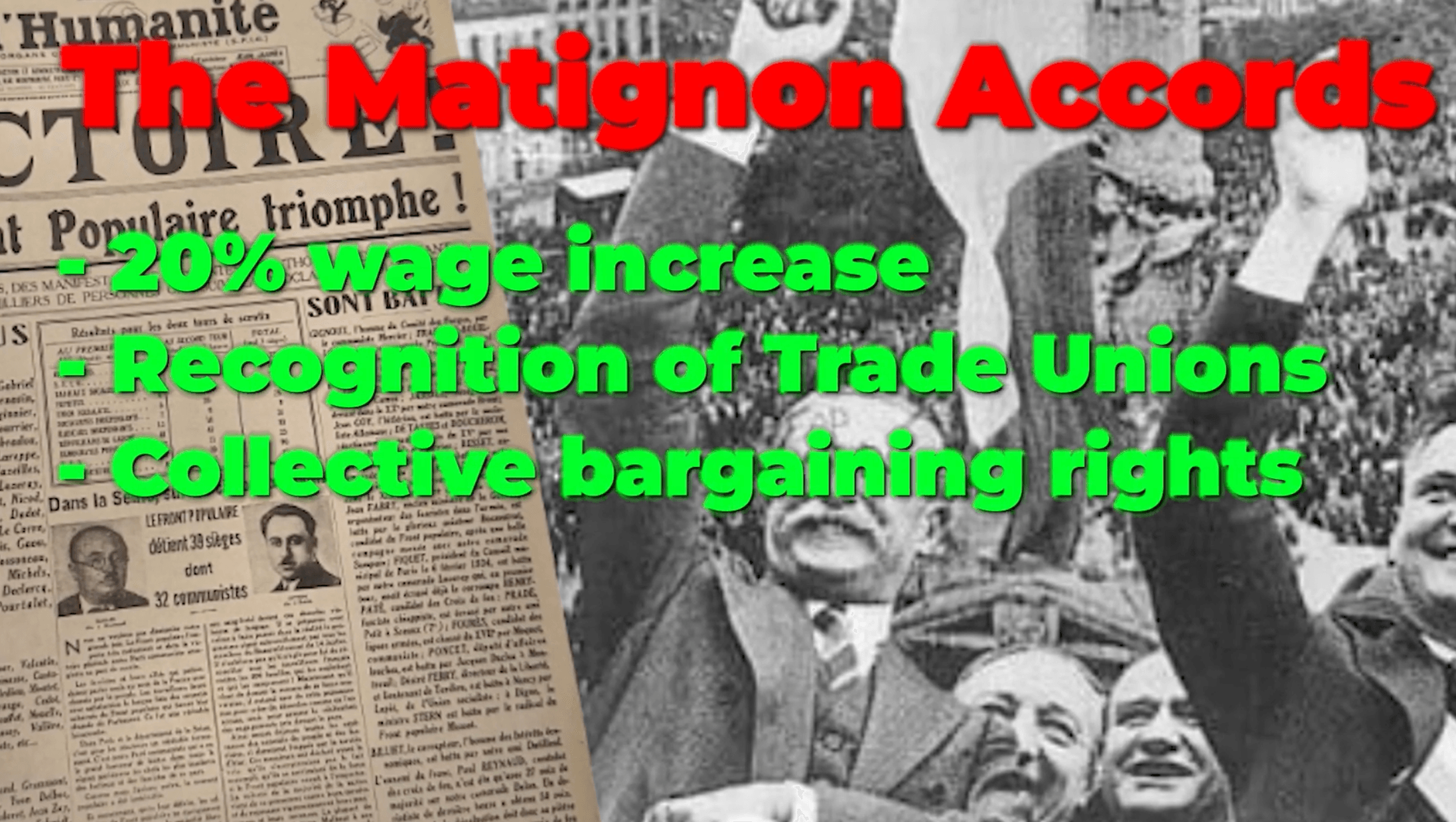
Just days into his government, Prime Minister Blum set up emergency meetings at his residence. He met with employer federations, trade unions, and state representatives in continuous sessions. On June 7, 1936, they signed the Matignon Accords.
The agreement included a 20% wage increase, recognition of trade unions, and collective bargaining rights. But the major accomplishment was a commitment to create a new social contract.
France Passed Its Paid Vacation Law in Just Two Weeks
Over the next two weeks, the French National Assembly worked at unusually fast speeds. On June 11, 1936, they established the law: anybody working for over a year got two weeks of paid vacation.
The cultural impact was immediate. By July, French labor unions were organizing trains to the coast. By August, tens of thousands of French families were heading to beaches for their first vacations ever. The photographs from this time are historic because they show what's possible when people come together and demand something better.
The two-week entitlement from 1936 would slowly expand to three weeks, then eventually to five weeks in 1982, where it remains today.
Days after France passed its law, the International Labor Organization met in Geneva and adopted the Holiday with Pay Convention. It required ratifying countries to give at least six days of paid leave for workers. Six days was modest, but it was officially recognized on a global scale.
America's Fair Labor Standards Act Deliberately Excluded Paid Vacation
The United Kingdom got its start in 1938, giving one week for some qualified businesses. That same year across the Atlantic, Roosevelt was figuring something out for Americans.
The Fair Labor Standards Act was signed in 1938. It established a federal minimum wage, a 40-hour work week, and restricted child labor. But it still didn't mention paid vacation leave.
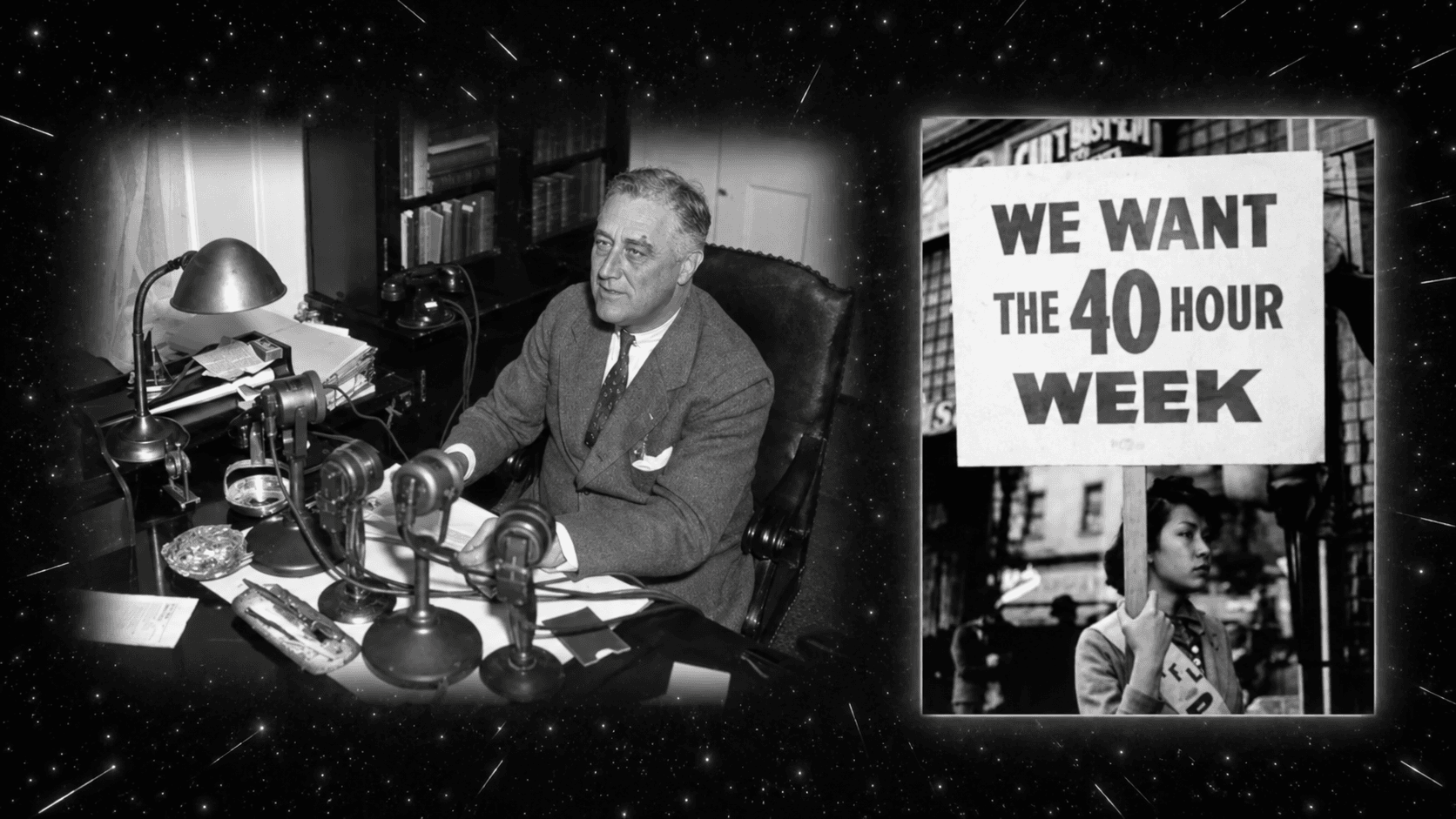
That omission was deliberate. The law was passed by the Democratic Party, including Southern Democrats who had strong opinions on what types of workers should be included and excluded. The compromise that got the law through excluded agriculture and domestic services. It also excluded paid time off from the federal mandate.
The Roosevelt administration decided that paid vacation was a collective bargaining matter. In the United States, the private sector would take over that responsibility and slowly start adding vacation time for workers.
Henry Ford and the Private Sector Approach to American Leisure
One notable example was Henry Ford giving workers a five-day work week. This started introducing the idea of leisure to American society because without American leisure, there would be no time to spend on things... like cars.
So while the rest of the world was giving state-mandated leave, Americans would slowly get there through the private sector and the idea of stimulating the economy. That strategy would work for some time, until it didn't.
World War II Suspended Paid Vacation Across Europe
By 1939, paid vacation laws were basically established in most of Europe through central laws, the KDF program in Nazi Germany, or industrial-wide agreements. World War II disrupted this, and for six years paid vacation was essentially suspended.
The Post-War Era Created a Permanent Divergence Between America and Europe
After the war, when people came back in the 1940s, the divergence between America and the rest of the world became a defining pattern for the rest of the 20th century. European countries expanded their paid vacation laws while America continued relying on private sector negotiations.
Today, France guarantees five weeks of paid vacation. Most European countries mandate four to six weeks. And the United States remains the only developed nation with no federal requirement for paid vacation.
That family boarding the train in Paris in 1936 represents something bigger than a single vacation. They represent what happens when workers demand dignity, when governments listen, and when society decides that rest isn't a luxury but a right.
If your team is still tracking PTO with spreadsheets or outdated systems, try Vacation Tracker. It's the number one leave and PTO management platform, available on Slack, Microsoft Teams, and as mobile apps for iOS and Android.

Nicholas Lydon
Nick is the Content Marketing Manager at Vacation Tracker, where he turns leave management, HR headaches, and the occasional oddly specific PTO question into content people can watch. He spends most of his time creating videos, articles, campaigns, and creative experiments that make HR a little less boring.