Last updated on June 30, 2026
Vacation Tracker vs TimeTac: Which Leave Management Tool Actually Works for Your Team
I'm going to be honest with you about these two platforms because picking the wrong leave tracking tool means months of frustration for your team.
Watch the full comparison below to see both platforms in action.
What Vacation Tracker Actually Does
Vacation Tracker works for any team size, but it really shines when you've got distributed teams or multiple locations with different leave policies. The whole point of the platform is leave management. That's it. No time tracking modules, no performance reviews, just really good PTO tracking.
The thing people actually like about it is that you don't need to open another app. If your team lives in Slack, you just type 'vacation' and your entire dashboard appears. Same goes for Microsoft Office or Google Workspace. Request time off, approve requests, check balances, all without leaving the tools you already use every day.
What TimeTac Actually Does
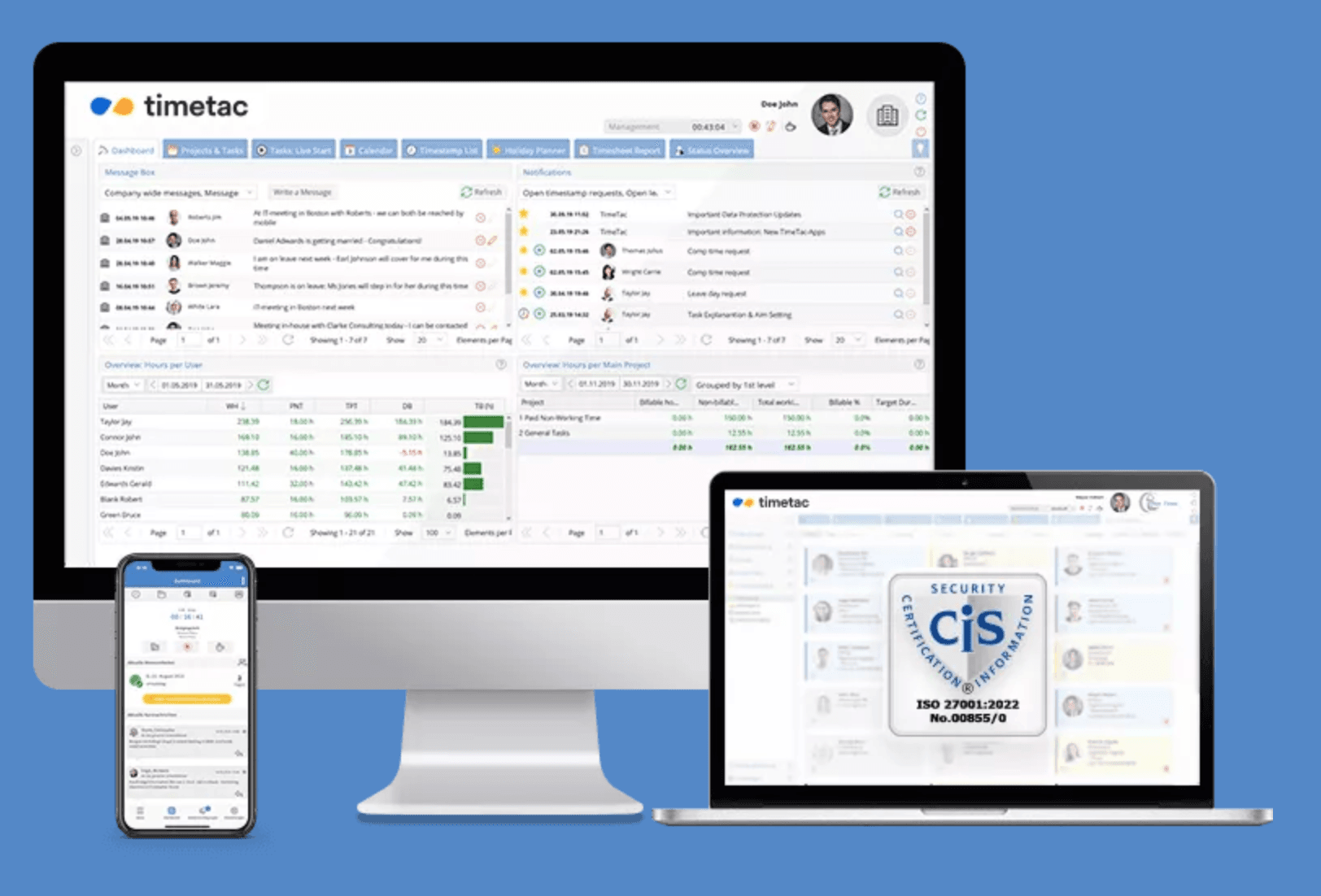
TimeTac is a modular system that started as a time tracker and added leave management later. Over 4,500 companies use it, with most of them in Austria, Germany, and Switzerland. This means they've built their compliance features around European labor laws.
The modular approach means you can buy just what you need. Want only time tracking? Fine. Just leave management? Also fine. Both together? That works too.
Why Teams Choose Vacation Tracker
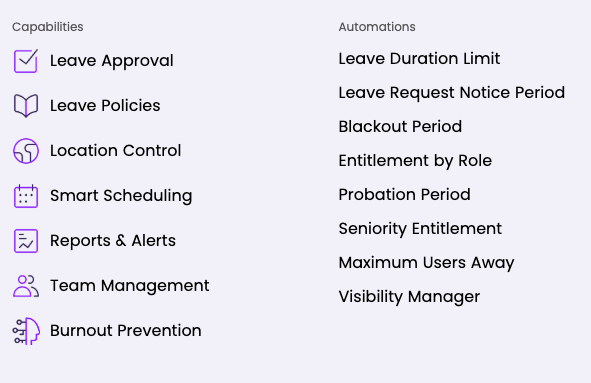
Vacation Tracker has every leave policy you can think of. Blackout periods, probation rules, entitlement based on tenure, multi-level approvals, TOIL (time off in lieu), and a bunch of other specific rules. The platform molds to your policies instead of forcing you into workarounds.
I work at Vacation Tracker (yeah, I'm biased, but I'll give you the facts), and I actually like using it when I take leave. We also get automated Slack messages showing who's out and when. It's simple, but it removes the constant 'wait, is Sarah out this week?' questions.
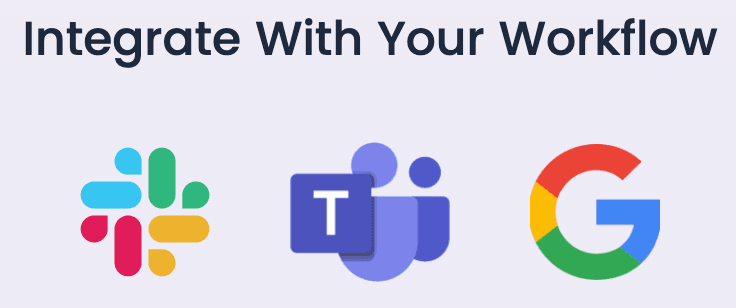
The native integrations matter more than you'd think. When leave requests happen in Slack or Teams, people actually do them. When they need to log into a separate platform, they forget or procrastinate.
Why Teams Choose TimeTac
Customers mention that TimeTac delivers what was promised during the sales calls. That sounds basic, but plenty of software companies overpromise and underdeliver. TimeTac apparently isn't one of them.
Time tracking is their core product since that's what they built first. Employees can clock in via web, mobile, desktop, or physical clocking machines at their location. If you've got field workers and office workers, this flexibility helps.
The compliance piece is solid. They have GDPR compliance and ISO 27001 certification. For European companies dealing with strict labor laws or data residency requirements, TimeTac handles those regulations well.
Where Vacation Tracker Falls Short
Vacation Tracker only does leave tracking. You won't get time tracking, performance management, or other HR modules. It integrates with payroll software through ADP and has a Zapier integration plus an open API, so you can connect it to most systems. But if you want an all-in-one HR platform, this isn't it.
Where TimeTac Falls Short
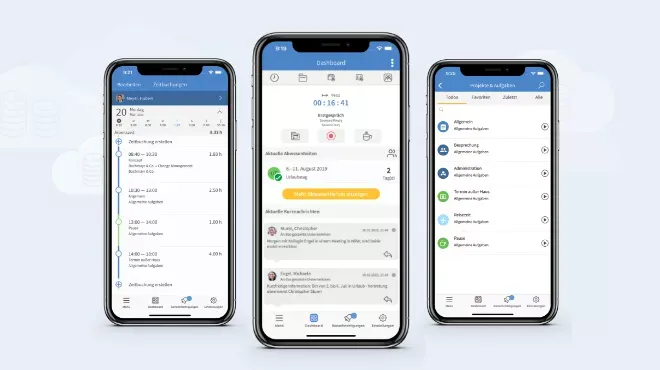
TimeTac built time tracking first, so leave management wasn't their original focus. There's no native integration for Slack or Teams. You have to use their platform directly for leave requests.
The pricing structure gets complicated. There's a mandatory base fee, and the open API only works on certain paid plans. If you have more than 20 users, you need custom pricing because their standard pricing caps at 20 users. You'll need to contact sales for a quote beyond that.
Direct Comparison
Vacation Tracker starts at $2 per user per month and scales to $4 per user per month. TimeTac's leave tracking module starts at €3.40 per user per month plus that base fee.
Both offer free trials, but TimeTac gives you 30 days compared to Vacation Tracker's 7 days. Neither requires a credit card. Vacation Tracker lets you choose a paid plan after the trial. TimeTac just stops working if you don't pay.
Implementation takes under a day for both. Import your users, set up your policies, and go. Vacation Tracker includes free onboarding. TimeTac charges for their onboarding support if you want help.
Leave Management Features That Matter
Vacation Tracker focuses on leave policy depth. You get leave automation, real-time calendar syncing, customizable policies, detailed reporting and analytics, multi-location support, and burnout prevention suggestions.
TimeTac has solid leave tracking features, but their strength is the combination of time tracking with leave management. If you need both functions, buying them together makes sense.
Integrations and Platform Access
TimeTac integrates with many European payroll and HR systems. Vacation Tracker has native integrations with Slack, Microsoft Office, and Google Workspace, plus an open API, ADP integration, and Zapier.
Both work on web, iOS, and Android. Both have open APIs, but TimeTac's API only works on enterprise plans based on our research.
Support and Security
Both platforms offer live chat and email support. Vacation Tracker includes guided onboarding at no charge. TimeTac offers premium support as a paid add-on.
Security is solid on both sides. Vacation Tracker has SOC 2 Type 2 certification and GDPR compliance. TimeTac has GDPR compliance and ISO 27001 certification.
Which One Should You Actually Pick
There's no universal answer here. If you're in Austria, Germany, or Switzerland, or you need time tracking and leave management together, TimeTac is well-built for that use case.
If your main goal is getting leave management right and having it work inside Slack, Teams, or Google Workspace where your team already operates, Vacation Tracker is the more focused option.
Both have free trials. Test them both before you commit. If you have questions, drop them in the comments and I'll answer what I can.
Check out Vacation Tracker or TimeTac to start your free trial.

Nicholas Lydon
Nick is the Content Marketing Manager at Vacation Tracker, where he turns leave management, HR headaches, and the occasional oddly specific PTO question into content people can watch. He spends most of his time creating videos, articles, campaigns, and creative experiments that make HR a little less boring.

Pricing
Vacation Tracker starts at $2 per user/month and scales to $4 per user/month with no mandatory base fee and no user cap requiring custom pricing.
TimeTac starts at €3.40 per user/month but requires a mandatory base fee. Standard pricing is capped at 20 users — beyond that, custom pricing from sales is required.
Native Integration
Vacation Tracker has native integrations with Slack, Microsoft Teams, and Google Workspace. Employees can request time off, approve requests, and check balances without leaving the tools they already use.
TimeTac has no native integration for Slack or Microsoft Teams. Users must log into the TimeTac platform directly to submit or manage leave requests.
Leave Policy Customization
- Blackout periods and probation rules
- Tenure-based entitlement
- Multi-level approvals
- TOIL (time off in lieu)
- Multi-location support
TimeTac includes solid leave tracking features with strong compliance rules, particularly suited to European labor law requirements in Austria, Germany, and Switzerland.
Time Tracking Module
Vacation Tracker is focused exclusively on leave management and does not offer time tracking functionality.
Time tracking is TimeTac's core product. Employees can clock in via web, mobile, desktop, or physical clocking machines, making it suitable for both field and office workers.
Free Onboarding
Vacation Tracker includes free guided onboarding for all customers.
TimeTac offers onboarding support as a paid add-on. Standard onboarding assistance is not included at no charge.
Open API Access
Vacation Tracker provides an open API available on all plans
TimeTac has an open API, but based on available research it is only accessible on enterprise-tier plans, limiting its availability for smaller customers.
Security Certifications
- SOC 2 Type 2 certified
- GDPR compliant
- ISO 27001 certified
- GDPR compliant
European Compliance Focus
Vacation Tracker is GDPR compliant but is not specifically built around European regional labor law requirements.
TimeTac is used by over 4,500 companies primarily in Austria, Germany, and Switzerland. Their compliance features are built around European labor laws and data residency requirements, making them a strong choice for DACH region businesses.