Last updated on August 31, 2026
How the Industrial Revolution Destroyed Leisure Time (And How Workers Fought Back)
The Industrial Revolution didn't just change how we work. It completely erased leisure time from workers' lives.
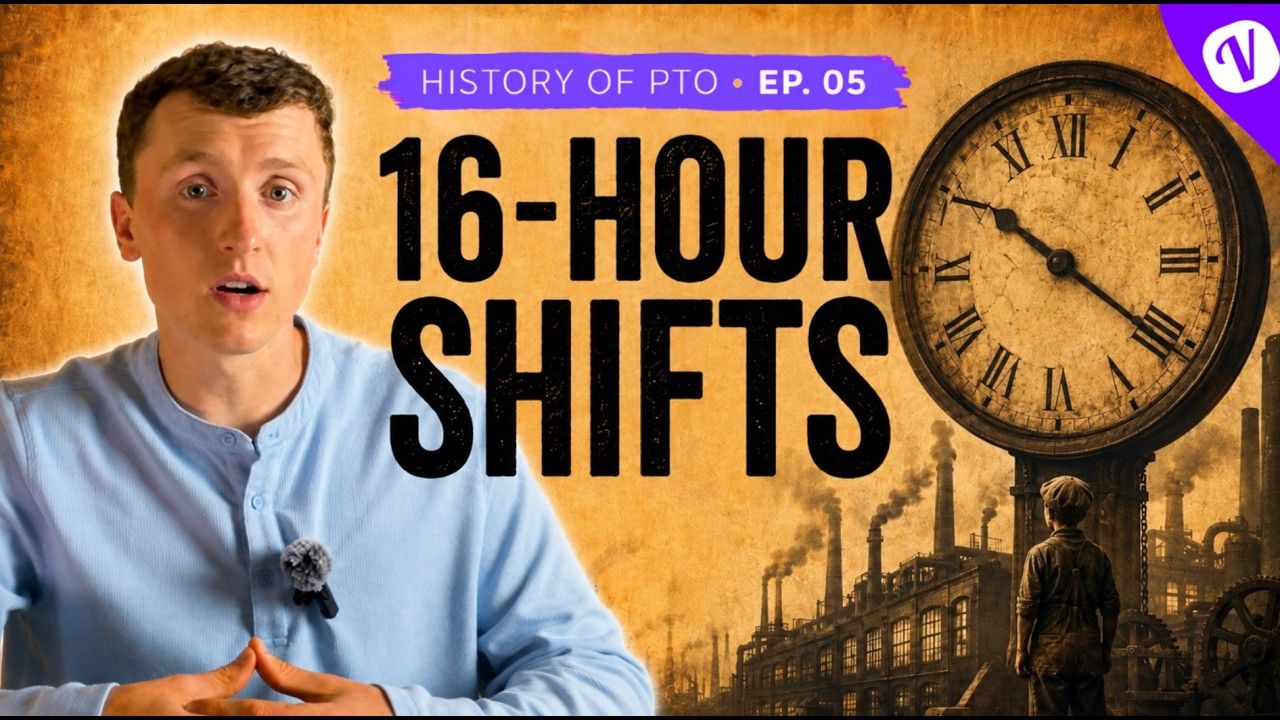
In 1830, a 6-year-old girl in Manchester walked into a textile factory at 5 AM and didn't leave for 16 hours. Just two generations earlier, her grandparents enjoyed 170 days off per year. By the time she was born, that was gone.
This is the story of how workers lost everything, then fought to get some of it back.
Watch the full video below to see the complete story of how the Industrial Revolution changed work forever.
Factory Bells Replaced Holy Days: The Birth of Industrial Time
Pre-industrial English workers (peasants, weavers, blacksmiths) worked around 2,000 hours per year. The days were long, but they controlled the pace. They had saints' days, saint Mondays, and agricultural rhythms with natural peaks and valleys.
Early industrial workers? They worked twice that at roughly 4,000 hours annually. That's 12 to 16-hour days, 6 days a week, 52 weeks a year. No saints' days. No agricultural rhythm. Just the factory bell ringing at 5 AM and 9 PM.
Historian E.P. Thompson called this transformation 'the imposition of industrial time discipline' in 1967. The factory clock became the new master. Owners often set it wrong deliberately to squeeze out extra hours.
Richard Arkwright's Model Spread Like Wildfire
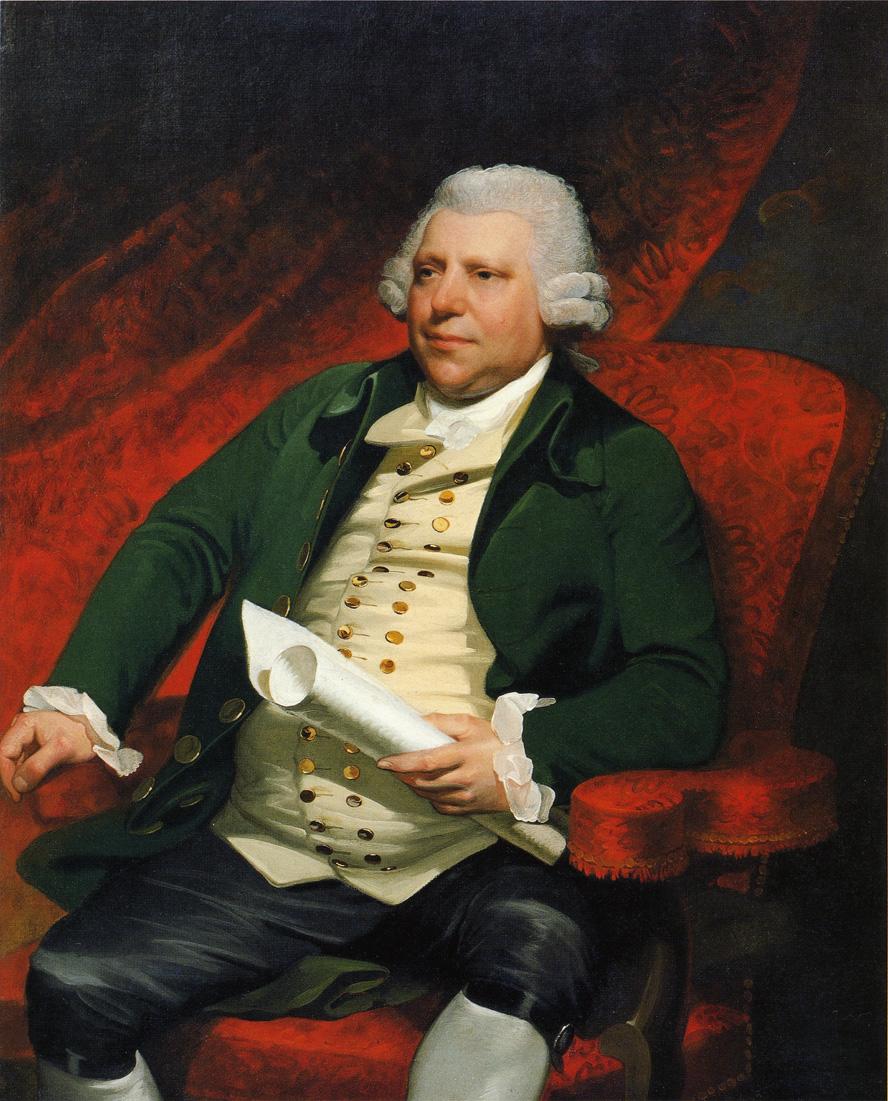
In 1771, Richard Arkwright opened a water-powered cotton mill in Cromford, England. His principle was simple: keep the machines running all day and all night. Workers split into two 12-hour shifts. Many were children.
When people found out about this model, there was no outrage. It actually spread. Within a generation, the cotton spinning industry had centralized into factories running on a schedule humanity had never seen before.
Children Were Central to the Factory System
Child labor wasn't an unfortunate side effect. It was central to the model. Children were small enough to crawl under spinning machines. They had nimble fingers that could tie thread better than adults. Hundreds of thousands of children, some younger than 6, worked the same brutal shifts across England.
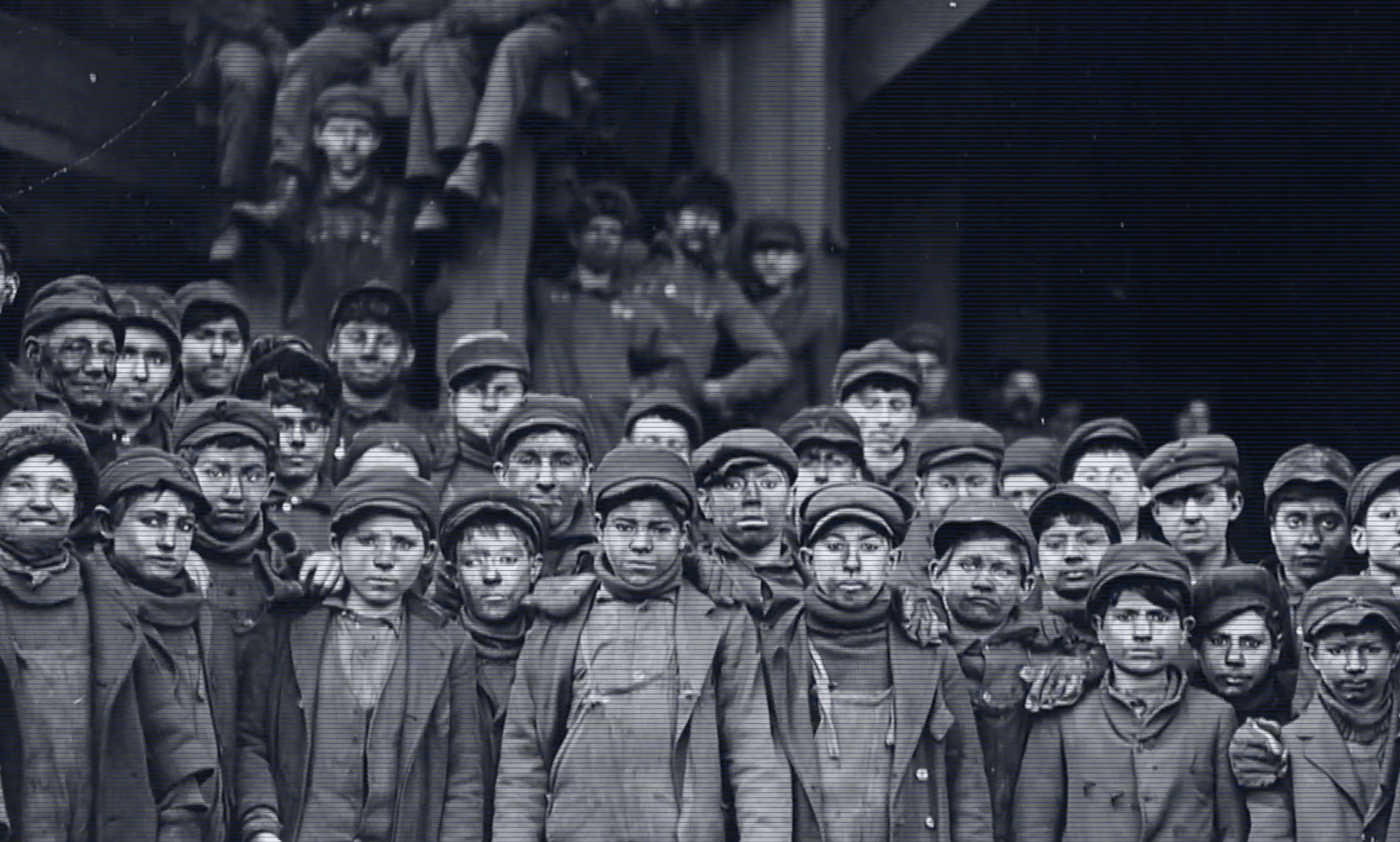
In 1832, the Sadler Committee collected testimony from parents and children themselves. Parliament was finally forced to act. The Factory Act of 1833 was the first effective workplace safety legislation we know about. It banned children under 9 from working in factories and limited 9 to 12-year-olds to 48 hours per week.
This was the first time the British state told an employer what they could do with their employees. The Factories Act of 1847 set further limits on women and children, but adult men were still unprotected. The assumption was that they could bargain for themselves.
Robert Owen Put the 8-Hour Day on a Banner

The first person to make the 8-hour workday a serious idea was Robert Owen, a Welshman who bought a cotton mill in 1799. He banned children under 10 from working and built nursery schools with a curriculum that included dancing and music.
In 1817, Owen distilled his vision into a slogan: '8 hours labor, 8 hours recreation, 8 hours rest.' He put it on a banner in his town. The mill became a tourist attraction. People came from all over the world (including the Tsar of Russia) to see where workers were treated fairly and the owner still turned a profit.
But it would take about 150 years for this to become standard across the world.
Melbourne Stonemasons Won the First 8-Hour Day
In April 1856, the British colonial economy in Melbourne, Australia had a problem. Gold had been discovered in Victoria, and tens of thousands of workers were walking off job sites to go for the gold. The result was a chronic labor shortage, and skilled laborers finally had leverage.
On April 21, 1856, stonemasons put down their tools and walked off with one demand: 8 hours of work for the same pay. Within days, employers caved. On May 12, the masons paraded in celebration (still celebrated today in parts of Victoria and Tasmania).
This is the first time in human history that an industry in one city all moved to an 8-hour workday for the same amount of pay as before. After it was clear these stonemasons were just as productive and kept businesses profitable, the idea started spreading.
In 1866, a resolution was passed in Geneva calling for a world 8-hour workday. In 1884, American labor unions in Chicago set a deadline for an 8-hour workday.
500,000 American Workers Walked Out on May 1, 1886
American employers didn't like the deadline, so employees had to strike. On Saturday, May 1, 1886, somewhere between 300,000 and 500,000 people across America walked out to strike for an 8-hour workday.
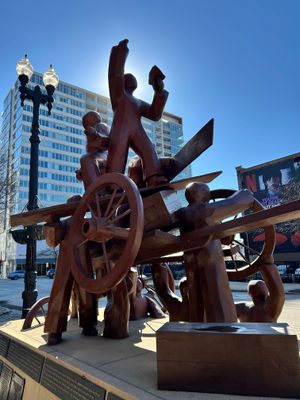
What started peacefully turned violent three days later. On May 4 in Haymarket Square in Chicago, a man whose identity we still don't know threw a bomb at police during a rally. The results were devastating. Police officers were killed, and at least four civilians died.
Eight men were arrested and tried for the bombing. None of the evidence connected any of them to it, but they were all found guilty. The trial is now regarded as a stain on the legacy of the movement. In 1893, the Illinois governor pardoned the three surviving defendants, calling the proceedings 'a judicial farce.'
May Day Honors the Haymarket Martyrs
In 1889, May 1st was designated as International Workers' Day in commemoration of the Haymarket Martyrs and in support of the 8-hour workday. To this day, May Day is celebrated across the world by over 80 countries.
Ironically, it's not celebrated in America. Years later, after many more labor strikes, America would finally get a Labor Day, but they placed it further away from May Day to remove it from the stain of Haymarket Square.
In Britain, over the same period, labor law quality also improved. That 6-year-old girl who walked into the Manchester mill in 1830 would have been 76 in 1900. By then, her granddaughter would have bank holidays and much more leisure time. The Industrial Revolution stole leisure from many people, but over the next century, as people came together, it was forced to give some of it back.
The Fight for Paid Time Off Was Just Beginning
By 1900, some workers in some industries had an 8-hour workday. But what none of them had was the right to get paid for days they took off. The 8-hour workday was still about how long you worked. It said nothing about being sick, taking a holiday, or life events like having a child.
That fight was about to begin, and the country that would win it first was one nobody expected.
This series is brought to you by Vacation Tracker. If your company is still tracking PTO with factory bells, punch cards, or spreadsheets, do better and try Vacation Tracker.

Nicholas Lydon
Nick is the Content Marketing Manager at Vacation Tracker, where he turns leave management, HR headaches, and the occasional oddly specific PTO question into content people can watch. He spends most of his time creating videos, articles, campaigns, and creative experiments that make HR a little less boring.