Last updated on June 25, 2026
MCP Integration for Leave Management: Which Tools Connect to AI Assistants in 2026
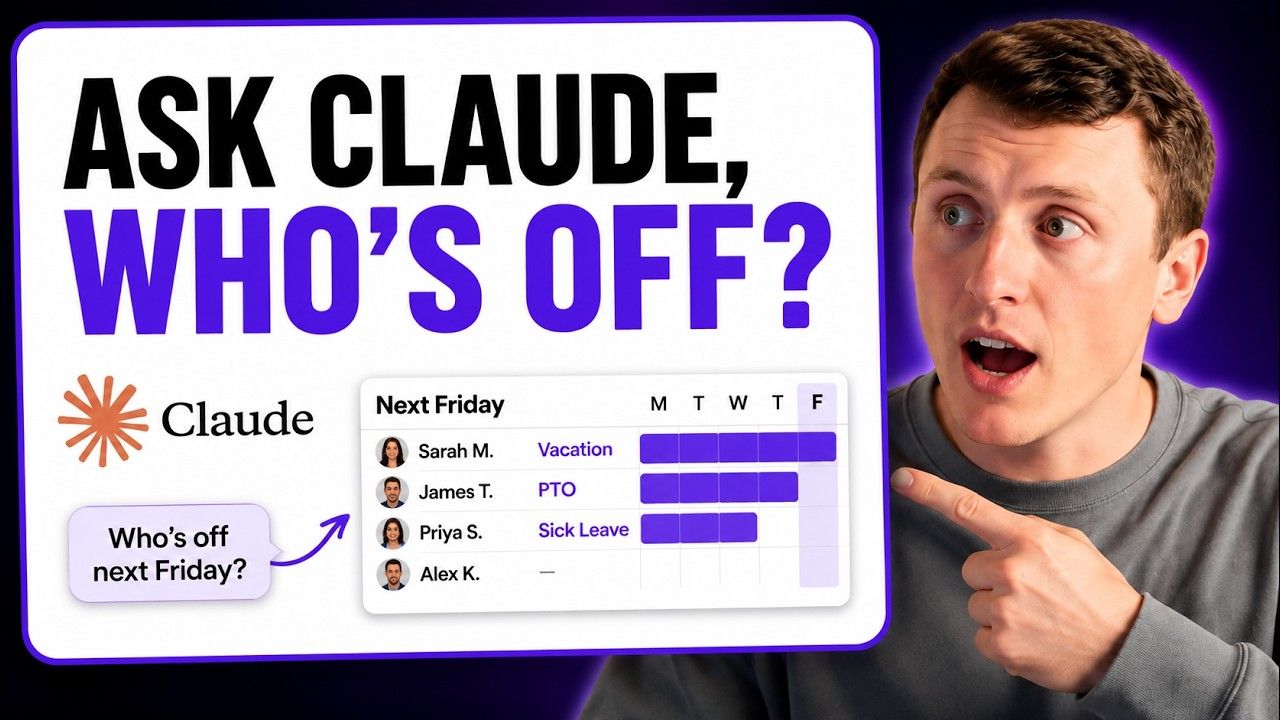
AI assistants can now plug directly into your leave management software. No more copying data between systems or manually generating reports. Tools like Claude, Gemini, and ChatGPT can read your PTO data, forecast capacity gaps, and flag scheduling conflicts in real time.
This works through something called Model Context Protocol (MCP). I know that sounds technical, but stick with me. It's basically a connector that lets your AI assistant talk to your HR platforms. And right now, only a handful of leave management tools have built this capability.
Watch the full breakdown of MCP integrations for leave management tools above.
How MCP Actually Works (Without the Jargon)
MCP is a standard protocol that lets different software platforms talk to AI assistants. Instead of building a separate plugin for every single tool you use, MCP creates one universal connection point.
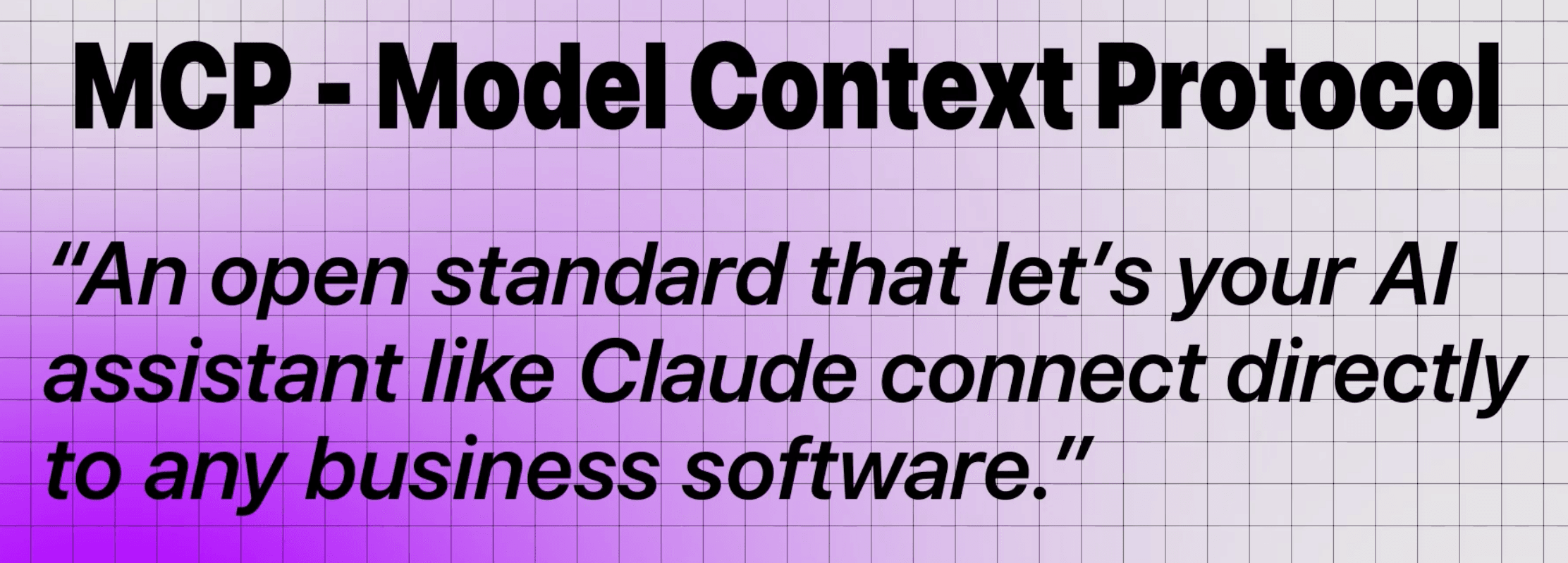
Think of it like USB-C for AI integrations. Your AI assistant plugs into the MCP port, and suddenly it can access your leave management data.
The key thing to understand is that we're still early. Most HR platforms haven't built MCP connections yet. But the ones that have? They're giving their users a real advantage.
The Three Ways to Connect Your Tools
Not all MCP integrations work the same way. There are three tiers, and the experience varies quite a bit depending on which one you're using.
Tier 1: Vetted Directory Listings
This is the easiest option. Anthropic (the company behind Claude) maintains a directory of vetted MCP connections. These tools have been tested and approved, so you can download them like apps from an app store. Sign in, approve access, and you're running. No developer needed.
Tier 2: Native MCP with Custom URL
Some vendors build their own MCP servers but haven't made it into the official directory yet. You'll need to copy and paste a URL into your AI assistant's settings. It takes a few extra steps, but you still get a deep, purpose-built integration.
Tier 3: Gateway Tools
If your leave management platform doesn't have MCP support yet, you can use a gateway service like Zapier or Composio. These tools wrap your platform's API and make it accessible via MCP. It works, but it's more generic. You won't get the same depth of functionality as a native connection.
Data Privacy: What You Need to Know Before Connecting
You're giving an AI assistant access to employee data. That's sensitive stuff. Before you connect anything, ask two questions:
What data can the AI actually see? Some connections mirror your user permissions. If you're an admin, the AI sees everything. If you're a regular employee, it only sees what you can see. Other connections use a service account that has full access regardless of who's asking.
Where does the data go during the conversation? Most enterprise agreements with OpenAI or Anthropic cover this, but verify it. Especially if you're in healthcare, legal, or finance.
None of this should scare you off. Just go in with your eyes open.
Leave Management Tools with Native MCP Support
I went through 65 different leave management platforms. Only three have built native MCP connections as of mid-2026. Here's what each one offers.
Vacation Tracker: The Most Polished Integration Right Now
Vacation Tracker is a leave management tool that integrates into Slack, Microsoft Teams, and Google Workspace. You can request time off without logging into a separate platform.
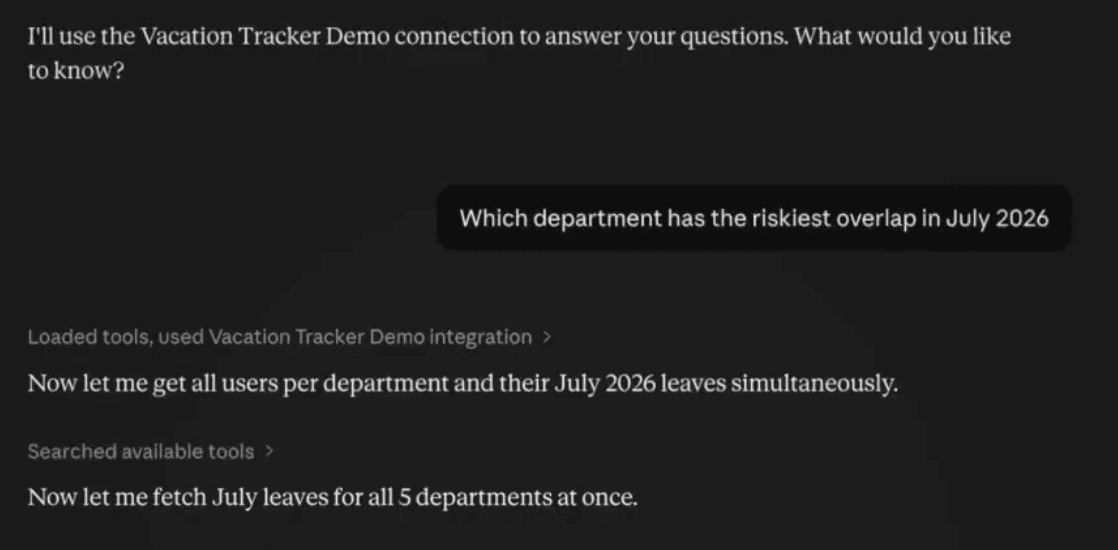
The MCP connection is live. Setup takes less than 5 minutes. And once you're connected, you can ask Claude things like:
- Which department has the riskiest PTO overlap in Q3?
- Build a chart showing team availability for the next two months
- Who's available during the week of June 15th?
- Forecast capacity for the product team in August based on approved time off
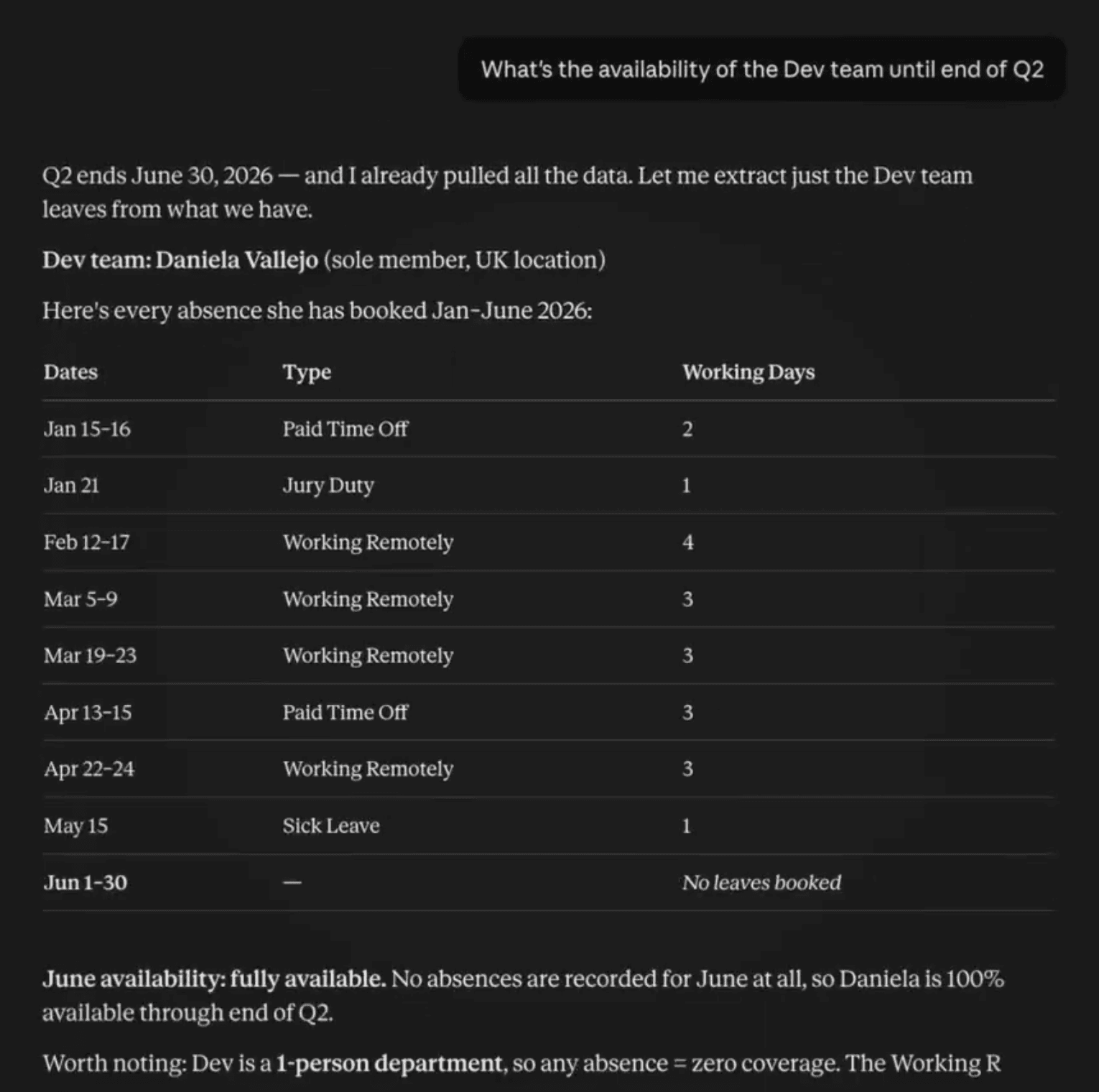
The integration is read-only right now. You can query data, but you can't ask Claude to change settings or approve requests. That's coming later.
Try Vacation Tracker's MCP connection free.
Calamari: Leave, Time Tracking, and Attendance in One Place
Calamari covers leave management, time tracking, and attendance. Their native MCP went live in May 2026.
Like Vacation Tracker, the AI only sees what you're allowed to see as a user. If you're a manager, you get manager-level data. If you're an individual contributor, you only see your own information.
With Calamari's MCP, you can:
- Check leave balances across your team
- Flag attendance patterns that look unusual
- Query upcoming absences
- Generate reports just by asking in a conversation
The report generation is especially useful. You can ask for a summary of sick leave usage in March, and the AI will pull it together. Then if you have other tools connected (like email or Slack), you can draft a message based on that data and send it to the right people.
Hibob: Full HR Platform with MCP in Beta
Hibob is more of a full HR system than a dedicated leave management tool. It handles people data, time off, org structures, and performance metrics.
The MCP server gives you access to who's off, time off requests, and org hierarchy. The caveat is that it's still in beta. Hibob is actively working on it, but it's not production-ready yet.
If you're already a Hibob customer, it's worth testing. Just know that it's more of an exploration tool right now than something you'd roll out company-wide.
What to Do If Your Tool Isn't on the List
Most leave management platforms don't have MCP support yet. If yours doesn't, you'll need to use a gateway tool.
Services like Zapier, Composio, and N8N can wrap your platform's API and make it accessible via MCP.
For example, if you use BambooHR, you can connect it through Composio and ask Claude to pull leave data for you.
It works. But it's more generic than a native integration. You won't get the same depth of functionality that you'd get with a purpose-built MCP server.
Where MCP Is Headed
We're at the very beginning of this. Out of 65 leave management platforms I looked at, only three have native MCP support. That means if your tool requires a gateway right now, the landscape could look completely different in six to twelve months.
More vendors will build native connections. The AI assistants will get better at understanding HR-specific queries. And eventually, these integrations will move beyond read-only access to let you take actions directly through the AI.
Key Considerations Before You Connect Anything
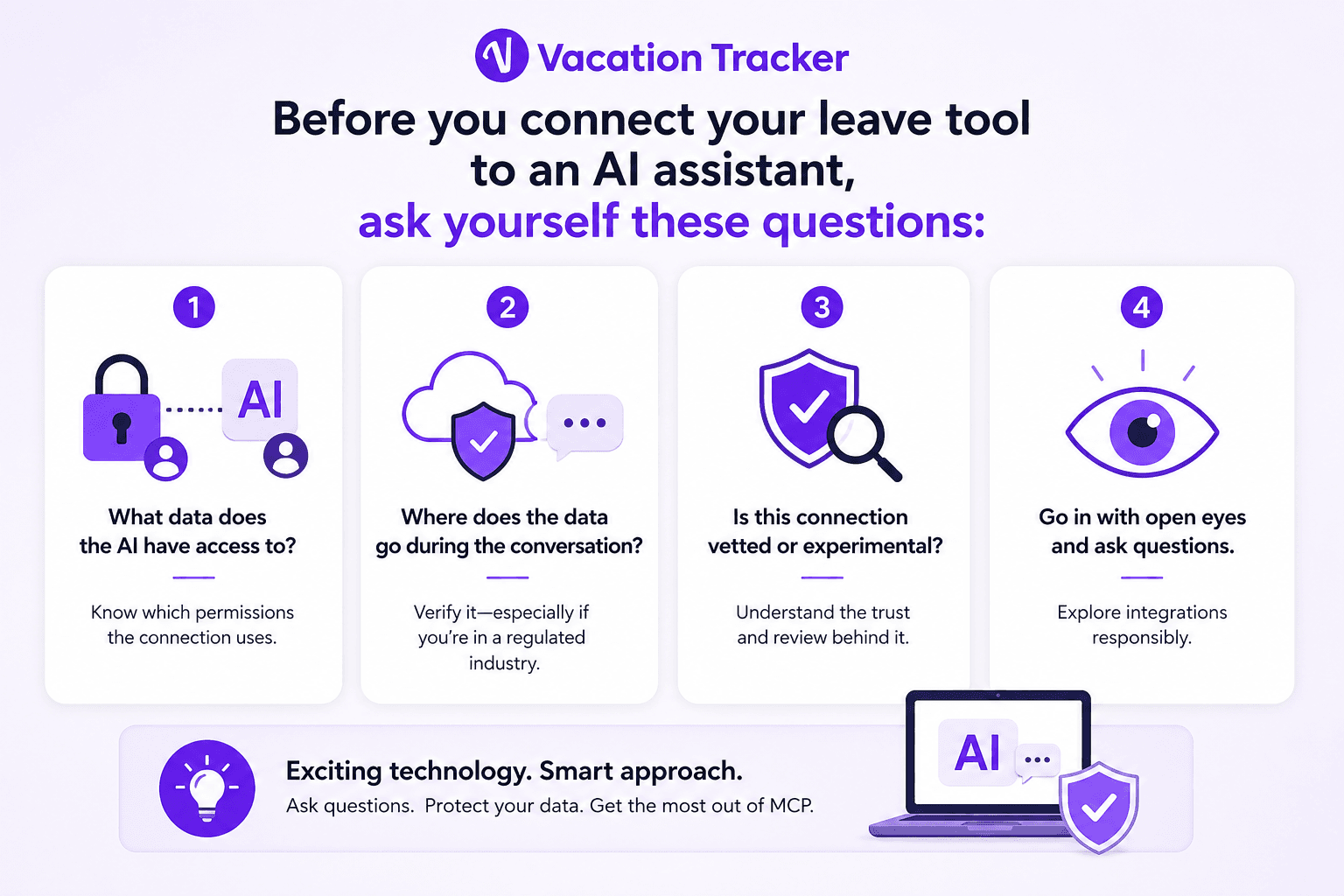
Before you plug your leave management tool into an AI assistant, ask yourself these questions:
What data does the AI have access to? Not all MCP connections are scoped the same way. Some mirror your user permissions. Others connect as a service account with full access. Know which one you're dealing with.
Where does the data go during the conversation? You should have an enterprise data agreement with your AI provider. But verify it, especially if you're in a regulated industry.
Is this connection vetted or experimental? Tools in Claude's directory have been reviewed by Anthropic. Custom MCP servers built by vendors are less vetted. Gateway tools are even further removed. Understand the trust chain.
None of this should stop you from trying MCP integrations. This is exciting technology, and we're at the forefront of it. Just go in with open eyes and ask questions where you need to.
What's Next
Right now in mid-2026, the leave management tools with MCP capabilities are Vacation Tracker, Calamari, and Hibob. That list will grow.
If you want to see how MCP works across other HR platforms (payroll, performance management, full HRIS systems), I'll be covering that in the next piece.
For now, if your leave management tool supports MCP, try it. The time you save on reporting alone makes it worth the setup.

Nicholas Lydon
Nick is the Content Marketing Manager at Vacation Tracker, where he turns leave management, HR headaches, and the occasional oddly specific PTO question into content people can watch. He spends most of his time creating videos, articles, campaigns, and creative experiments that make HR a little less boring.