Last updated on August 4, 2026
China Invented the Work Week Around 100 BC (And It Started With Mandatory Bath Time)
Around 100 BC, Chinese government officials were sent home every fifth day to take a bath. That bathing day became the foundation of what historians now believe to be the world's first formal work week.
Over the next 2,000 years, Imperial China built one of history's most elaborate leave systems, complete with festival holidays, wedding leave, sick leave, and a mourning policy so strict it nearly toppled a dynasty.
Make sure you watch episode 1 on our youtube channel or get the written breakdown here!
Watch the full episode above to see how China's 2,000-year experiment with paid time off unfolded.
The Han Dynasty Invented the Five-Day Work Cycle
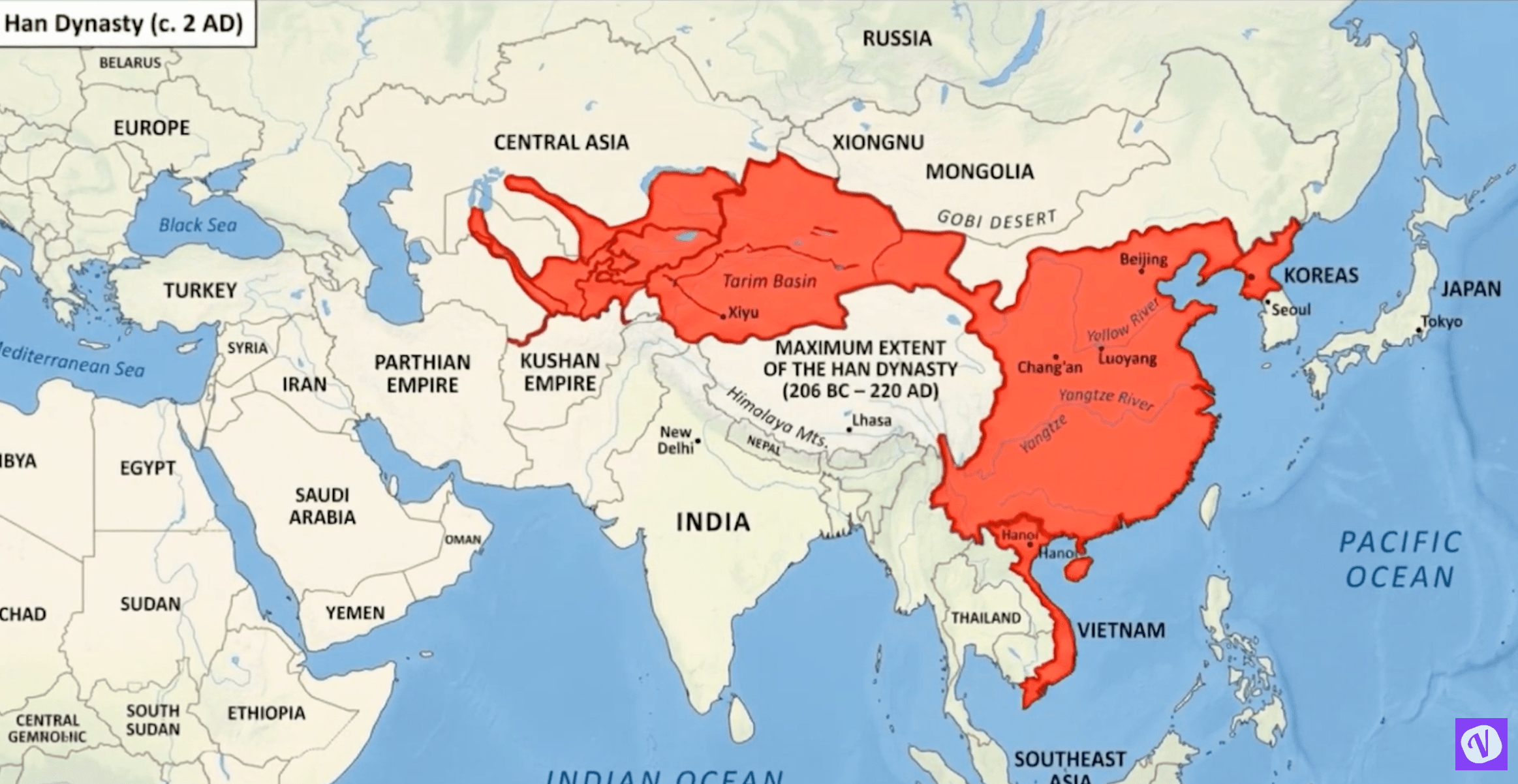
The Han Dynasty ran China for about 400 years (200 BC to 220 AD). They gave us paper, the seismograph, the Silk Road, and the foundation of the Imperial examination system. But they also had a very modern problem: their empire had grown so vast that they lacked structure for managing government officials.
Their solution was straightforward. Officials would work 4 days in a row, then get every fifth day off for Xiumu (the day for resting and bathing). But bathing was partly a cover story. The actual function was to let people visit family and handle personal matters. You know, the stuff we deal with on weekends.
This policy stayed in place for centuries, right into the Tang Dynasty.
The Tang Dynasty Added Festival Holidays and Event-Driven Leave
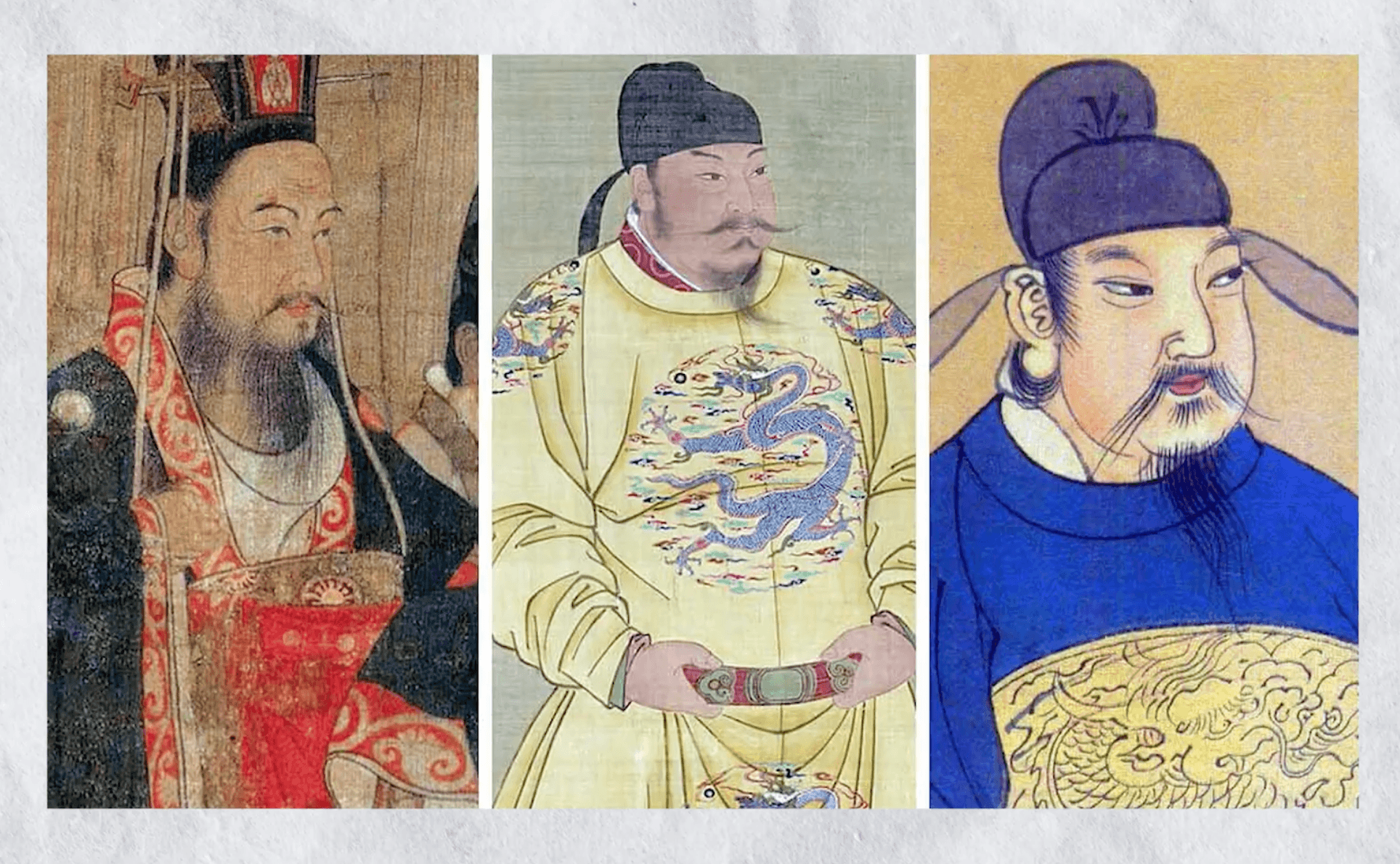
The Tang Dynasty (618-907 AD) is considered the golden age of Imperial China. Peak prosperity, culture, and influence across Asia. They adjusted the rest schedule from 1 day off every 5 days to 1 day off every 10 days.
That sounds like a downgrade, but it wasn't. The Tang attached two more things to that cycle.
First, they expanded named festival holidays. Officials got 7 full days for Lunar New Year, 7 days for winter solstice, 3 days for the Qingming Festival, 3 days for mid-autumn festival, plus short breaks for the emperor's birthday and regional observances.
Second, they added event-driven leave. Getting married? Wedding leave. Family member going through a coming-of-age ceremony? Leave for that too. Got sick? Sick leave. Parent died? Two and a half years of leave (we'll come back to that one).
That's more leave categories than most HR systems can handle today. The Tang Dynasty's solution was to hire a ton of clerks who used bamboo to write it all down. If the internet had existed back then, something like Vacation Tracker probably would have retired the bamboo industry and saved a few forests.
The Song Dynasty Gave Officials 113 Days Off Per Year
The Song Dynasty (960-1279 AD) brought us paper money, the magnetic compass for navigation, movable type printing, and gunpowder weapons. They also changed the official leave calendar again.
They kept the 10-day cycle and kept the festivals, but they added more. An official could expect 113 days off every single year. That's about a third of the year.
The Chinese government assumed that a well-rested, well-educated, ritual-observant person would produce better work than a tired one. To them, it wasn't a perk. It was structural to how the bureaucracy was designed to run.
Mourning Leave Was Rooted in Confucian Philosophy
Then there was the leave on top of the leave. The category was called Ding You (mourning leave for your parents). When a Chinese official's mother or father died, they were required to resign and return to their ancestral home.
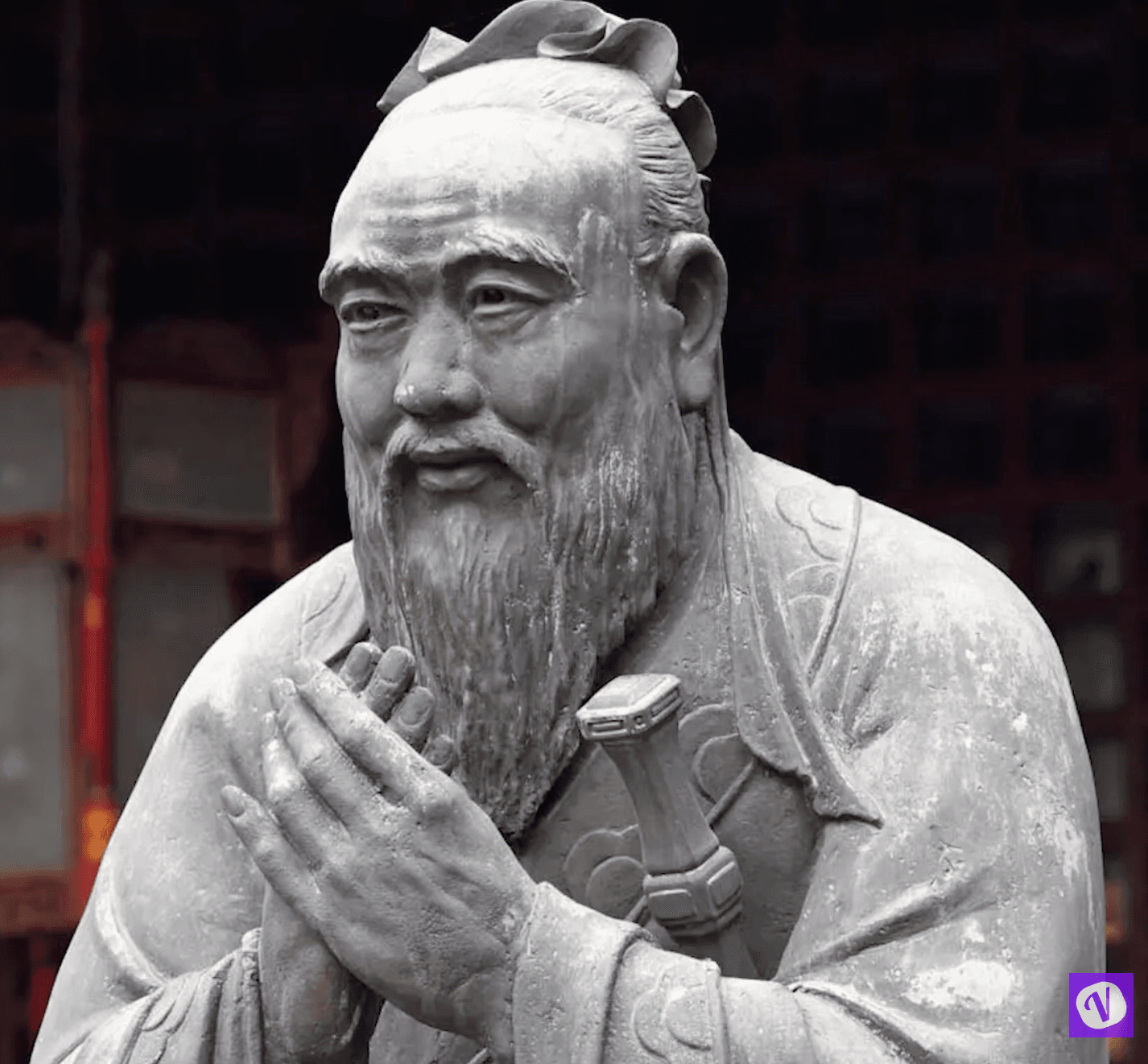
The reason had to do with Confucianism. Confucius (5th century BC) argued that since it took 3 years for a child to be weaned from its mother, the child owed the parent 3 years of symmetrical care at the end of life. The Chinese state translated that into policy.
They even made rules for people who would abuse it. Concealing the death of a parent was a criminal offense. If you got caught, you'd be impeached.
But there was one exception. The emperor could effectively veto that by declaring an official too important. This declaration was called 'duo qing' (roughly translates to 'robbed of emotion'). And when this happened, there would be backlash.
The Zhang Juzheng Scandal of 1577 Nearly Destroyed a Dynasty
In 1577, the most powerful man in the Ming Dynasty got news that his father had died. His name was Zhang Juzheng, and he was the Grand Secretary, which meant he was running the country for a 14-year-old emperor.
He had reformed the tax system, reorganized the military, and rebuilt sections of the Great Wall. By most historians' accounts, he was one of the most effective Chinese officials of all time.
By law, he was supposed to resign because he heard about his parent's death. But the emperor did not want him to go. So he declared duo qing, and Zhang accepted.
The Confucian scholars at the time lost their minds. To them, accepting duo qing was an absolute betrayal of the fundamental principle of Chinese Confucianism. Memorials of protest were submitted. Several of Zhang's own proteges (men whose careers he had personally influenced) wrote strong objections.
The emperor responded by having these men beaten outside of the Imperial Palace.
Zhang continued to serve. The reforms continued. But the political legitimacy of the Ming Dynasty was severely wounded. When Zhang died 5 years later, the emperor turned on him, stripped his family of their honor, and confiscated all of his property.
The scandal became a parable in Chinese political philosophy. It was probably a difficult position to be in because the leave policy that had been built up over time was to be followed, but if the emperor says otherwise, you kind of have to listen to them too.
The Ming Dynasty Cut Leave by 60%
By the late Ming, the official rest schedule had been cut roughly by 60% down to about 50 days of leave per year. Bureaucrats were getting less than half of the leave time that the Song Dynasty got.
China's Leave Model Spread Across Asia
While all of this was happening, the Chinese leave model was spreading across Asia. Korea adopted it under two of their dynasties. It was also adopted in Japan under the Taiho Code and was made up of the same principles.
In India, a different tradition took hold due to Buddhism, where four lunar days each month were given to rest and reflection.
But while the Chinese government was making the world's most elaborate leave calendar, a much simpler idea was taking hold elsewhere: that days off shouldn't just belong to bureaucrats or scholarly people. They should belong to everyone.
If your team is still tracking time off with spreadsheets, try Vacation Tracker. It integrates with Slack, Google Workspace, and Microsoft Teams to help you manage leave without the bamboo.
Next episode: Ancient Rome.

Nicholas Lydon

Nick is the Content Marketing Manager at Vacation Tracker, where he turns leave management, HR headaches, and the occasional oddly specific PTO question into content people can watch. He spends most of his time creating videos, articles, campaigns, and creative experiments that make HR a little less boring.