
Last updated on July 27, 2026
Ancient Egypt Had Paid Sick Leave 3,200 Years Ago (And We Have the Receipts)
A piece of broken pottery in the British Museum proves that workers building the pharaohs' tombs got paid time off when they were sick, fighting with their spouses, or even recovering from scorpion bites. This is the story of the world's oldest workplace attendance log and what it tells us about the surprisingly modern labor practices of ancient Egypt.
Watch the full first episode of the History of PTO series to see the actual artifacts and learn more about these ancient workers.
A Scorpion Bit Me!
Inside a glass case at the British Museum sits a piece of broken pottery that's been there for about 100 years. The pottery itself is 3,200 years old. Among the entries on this limestone fragment is one particularly relatable absence reason: 'the scorpion bit him.
This worker was one of 40 men tracked for 280 consecutive days. The pottery piece is officially known as Ostracon EA5634, and it's the oldest workplace attendance log in human history. What it reveals about sick leave, paid time off, and labor strikes in ancient Egypt forms the foundation of understanding how humans have negotiated time away from work for thousands of years.
Deir el-Medina Was a Company Town for Building Pharaohs' Tombs
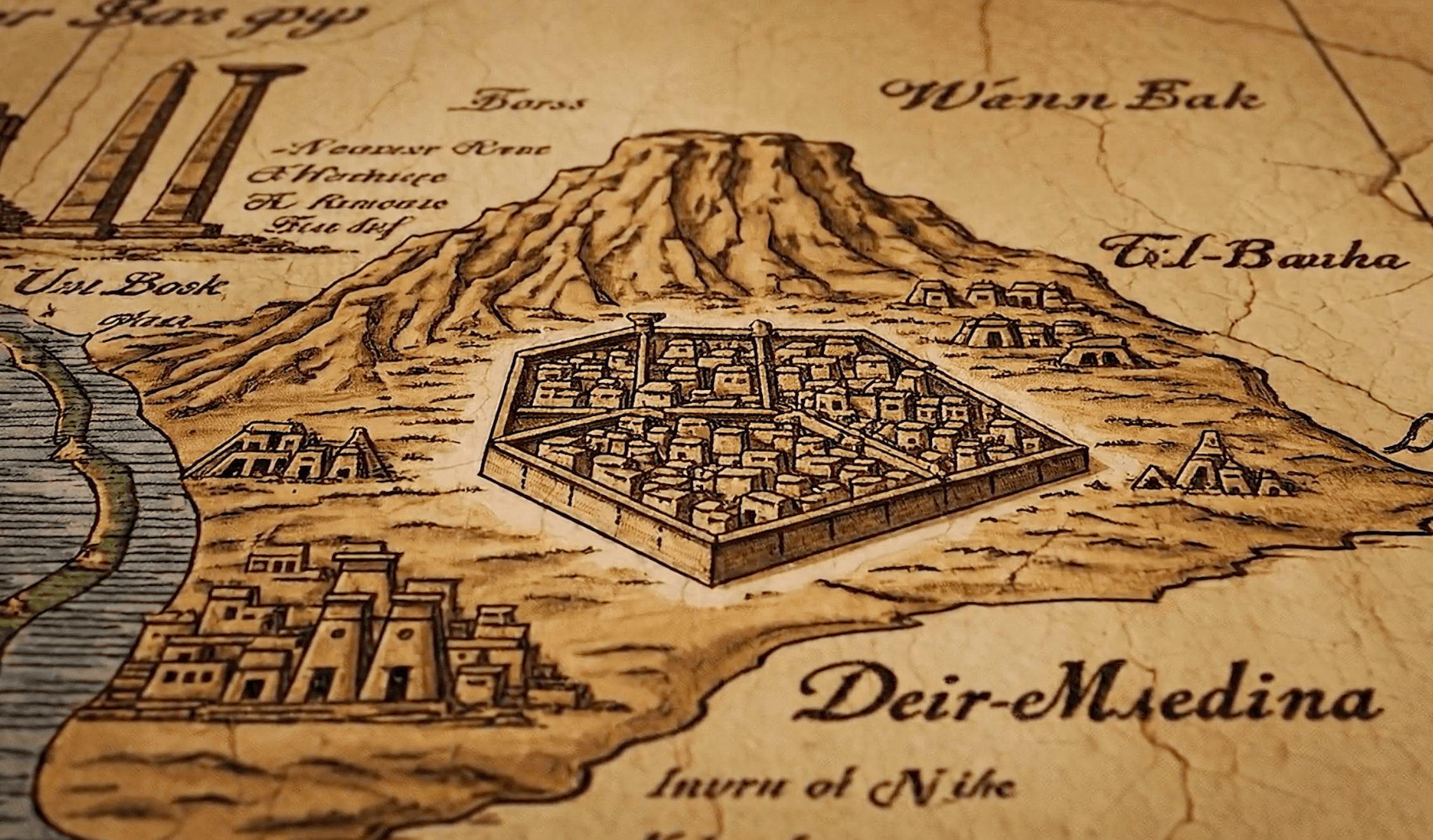
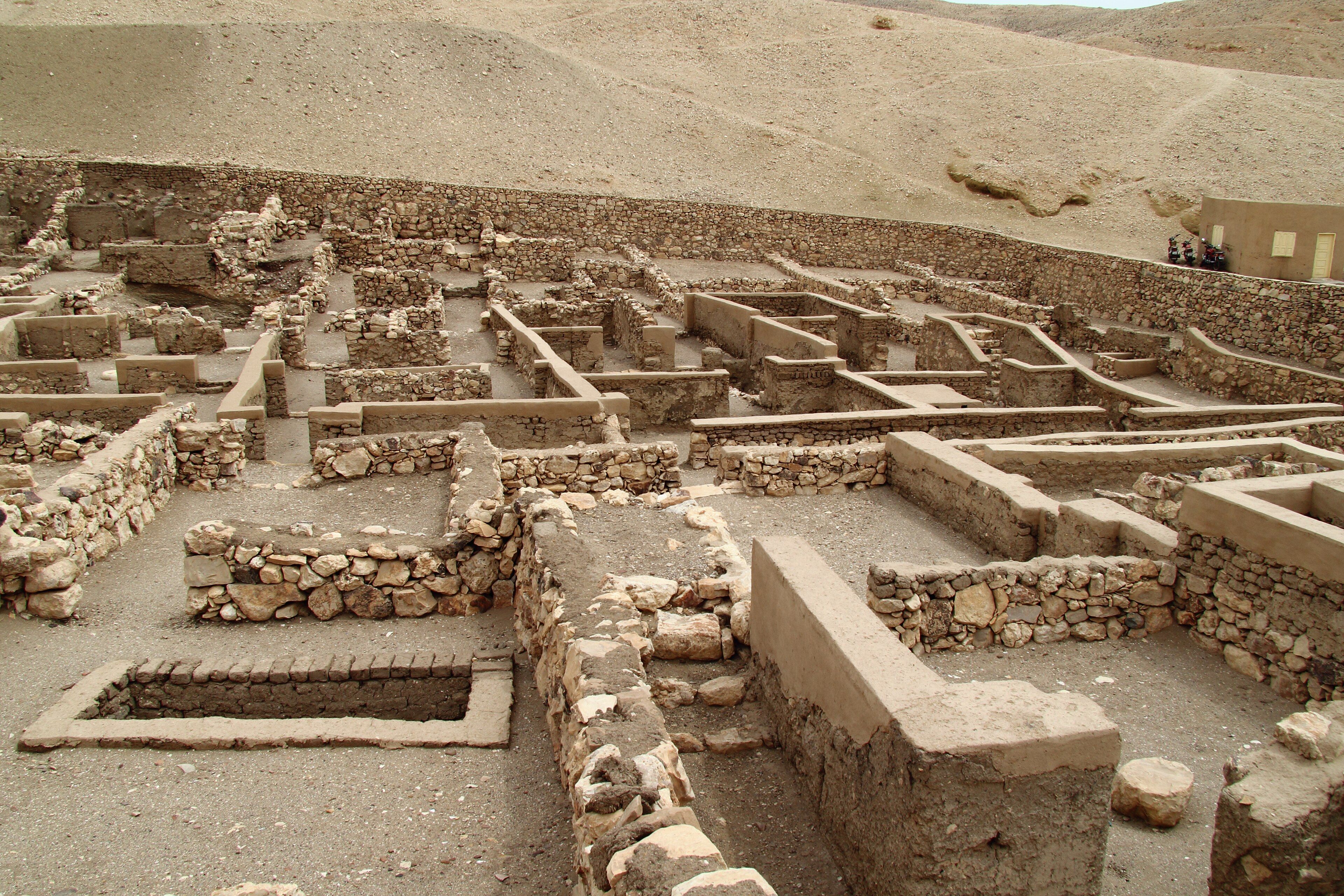
On the west bank of the Nile, directly opposite modern Luxor, there's a small valley called Deir el-Medina. The people who lived there weren't farmers or merchants. They were the men who built the tombs of the pharaohs in the Valley of Kings, just a 15-minute walk from their village.
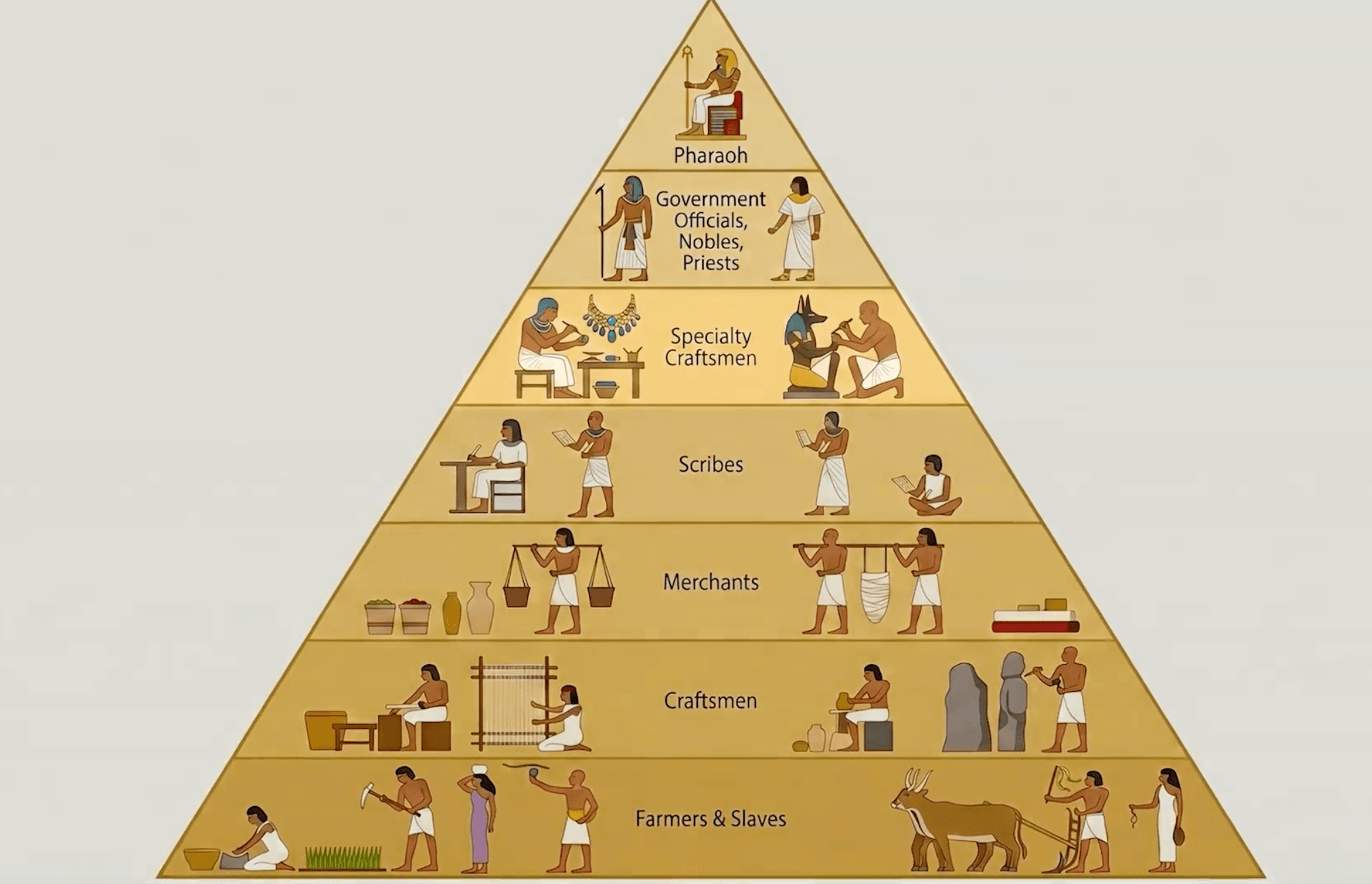
These workers couldn't be slaves because the job required literacy and skill. They were painting hieroglyphic inscriptions and carving complex figures into limestone walls. The Egyptian state had to build them an isolated town and pay them with monthly rations of beer and grain.
More importantly, they kept records. Most of these records were written on broken pottery called ostraca (a Greek word for shell or shard). Since papyrus was expensive, broken pottery served as the scratch paper of the time.
These Ancient Records Include Memos, Love Poems, and Court Testimony
The remains from Deir el-Medina include random tidbits of daily life: memos, complaints, love poems, school exercises, and court testimony. But nobody expected to find the world's first complete workforce attendance register when they started translating the ostraca.
If these workers had Vacation Tracker at the time, this whole pottery thing would just be a Slack thread (probably with more emojis). But they didn't have software. Fortunately, the hot, dry Egyptian climate preserved the pottery under piles of sediment that built up over thousands of years.
The Records Show These Workers Got Paid Even When They Didn't Show Up
What researchers found completely changed what we knew about ancient labor. These workers were at the higher end of Egyptian society, and they were getting benefits that most Americans would recognize today.
The monthly grain rations to each individual and the village were consistent. Even when individual workers couldn't work for a period of time, they still received their rations. They were never docked any pay.
To be clear, this wasn't a universal Egyptian labor right. Most Egyptian workers were peasants or slaves who had absolutely no treatment like this. Deir el-Medina was an exception. We know this because of that special piece of ostracon sitting in the British Museum right now.
Ostracon EA5634 Tracked 40 Workers for 280 Days Around 1250 BC
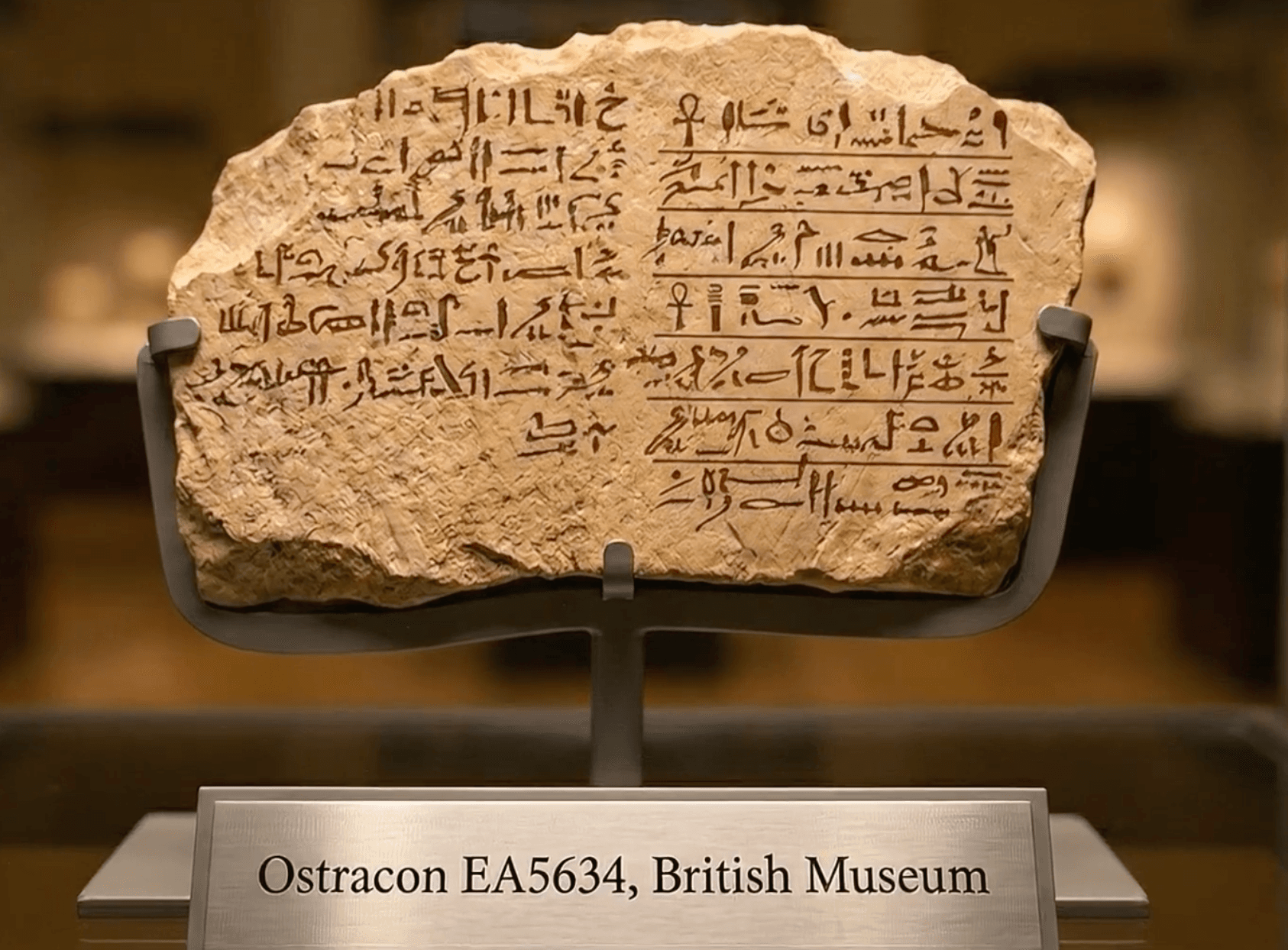
The limestone piece is about the size of a dinner plate, inscribed in Egyptian script. It's a labor register covering 280 days around the year 1250 BC. For context, the Trojan War hadn't happened yet, and the first Olympic Games was still 500 years away.
The ostracon lists 40 workers, and for each of them, every time they missed a day was noted with a reason. An Egyptian foreman 3,200 years ago wrote down that one worker stayed home because he was quarreling with his wife. He still got paid.
Aapehti Was Ancient Egypt's Most Absent Worker (And He Never Got Fired)
The standout figure across that 280-day period is a guy named Aapehti. Over about 9 months, Aapehti was absent 11 times. That's 11 sick days, which for modern HR teams is probably a red flag.
But it was apparently fine. He was getting paid the whole time. At the very least, he was never fired.
When Payments Stopped in 1158 BC, Workers Organized the World's "First" Labor Strike
Things weren't always good for these workers. About 100 years after Aapehti and his 11 sick days, the village had a problem. In 1158 BC, the Egyptian state was overextended. Foreign invasion, internal corruption, and an administration that couldn't get their paperwork done on time meant these skilled craftsmen weren't getting their normal rations.
They had families to feed. So one day they left the Valley of Kings, leaving the Pharaoh's tomb completely unfinished. They marched as a group to the mortuary temples of previous pharaohs, sat down at the temple walls, and refused to leave until they were paid.
The Vizier (basically the prime minister of Egypt) had to be summoned. There were negotiations. Once the grain rations were received, the workers went back to work.
That wasn't a single event. We have records of at least three more strikes over the next decade. The workers would strike and the state would have to pay. Similar to any modern labor strike, the Egyptians didn't have an HR department, but they did have each other. This is what historians believe to be the world's first labor strike.
Archaeological Discoveries at Giza Confirmed These Workers Were Treated Well
In the 1980s and '90s, American archaeologist Mark Lehner began excavating sites directly next to the pyramids of Giza. He found industrial-scale bakeries, dormitories, and cemeteries. The skeletons they found had signs of medical treatment: healed fractures and successful surgeries.
These findings combined with the Deir el-Medina records have completely rewritten what we know about Egyptian labor.
Record-Keeping Made the Negotiation Between Work and Rest Manageable
That decision to keep records of who worked, when, and why they didn't turns out to be foundational. Once you start tracking who's off, why, and for how long, the entire negotiation between work and rest becomes manageable.
The Egyptians weren't the only ancient civilization writing down their workers' time off. Many years after Aapehti's 11 sick days, on the other side of the world, a Chinese emperor would build something even stranger: a labor calendar so elaborate, so meticulous, and so generous that it would eventually break the bureaucracy that ran it. A bureaucracy that at its peak would give off more days per year than Americans get in 2025.

This is Episode 1 of the History of PTO, brought to you by Vacation Tracker. Over eight episodes, we're covering close to 4,000 years of how humans have negotiated time away from work - from ancient Egypt to modern Iceland, from the English Parliament banning Christmas to France's 2017 right-to-disconnect law.
If your team is still tracking time off on a piece of porcelain, limestone, or a spreadsheet, you can do better. Try Vacation Tracker to manage your team's time off without the pottery.

Nicholas Lydon
Nick is the Content Marketing Manager at Vacation Tracker, where he turns leave management, HR headaches, and the occasional oddly specific PTO question into content people can watch. He spends most of his time creating videos, articles, campaigns, and creative experiments that make HR a little less boring.