Last updated on July 17, 2026
The Best HR Tools for Companies With 50-100 Employees
Watch the full breakdown of these tools in action:
Why the Messy Middle Demands a Different Approach
At 50-100 employees, you're stuck in an awkward spot.
Your spreadsheets are breaking down. Every vacation request turns into an email chain or Slack thread that someone has to manually track. Onboarding looks different depending on which manager is doing the hiring. Performance reviews happen once a year if you're lucky, and honestly, you're making it up as you go.
But here's the thing: you're also not quite ready for a full HR system. The implementation takes months. The pricing assumes you'll use every feature. And most of those features? You won't touch them for another year or two.
The Case Against Going All-In on an HR System Right Now
Look, I get the appeal. One vendor, one login, one price. It sounds clean. And yes, bundled HR systems are usually cheaper than buying seven different tools separately.
But if you're not using the entire system, you're paying for features that sit idle while your actual problems go unsolved.
The better approach?
Deploy individual tools that are genuinely best-in-class for each specific pain point you're feeling right now.
Leave Management: Vacation Tracker Eliminates the Email Chaos
Around 50 employees, leave tracking becomes a legitimate headache. People constantly ask how much time off they have left. You don't always know who's out and when. The shared calendar is a mess.
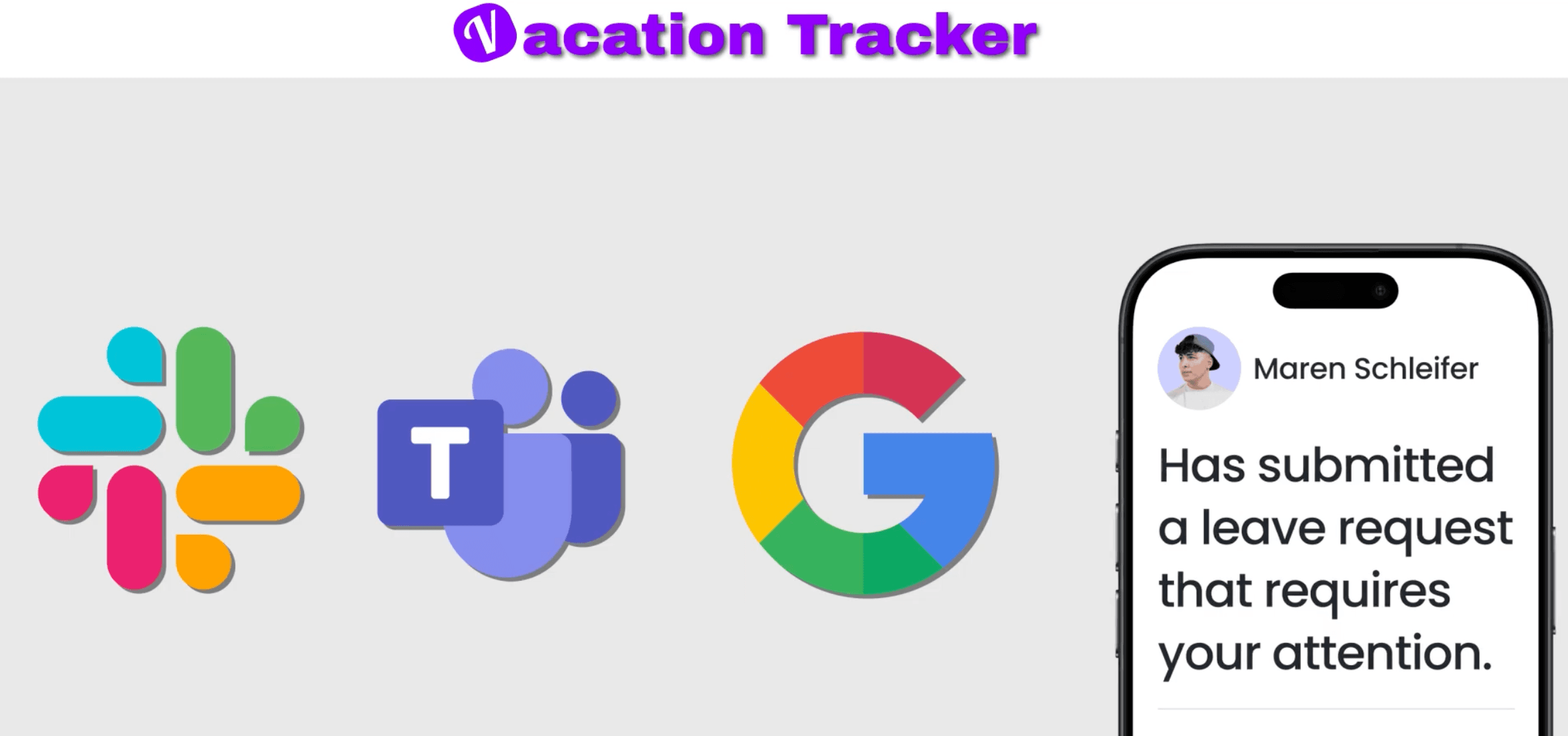
Vacation Tracker solves this without asking your team to learn another platform. Everything happens inside Slack, Microsoft Teams, or Google Workspace. Someone needs a day off?
They type one command.
Their manager gets a notification and approves it in one click.
You get custom leave types for PTO, sick leave, parental leave, sabbaticals, whatever you need. You can set different rules for different locations or departments. And the pricing is reasonable: $2-4 per user per month. For a 75-person team, that's significantly cheaper than most alternatives.
Performance Management: 15Five Replaces Annual Reviews With Weekly Check-Ins
Nobody likes annual reviews. They're stressful, backward-looking, and problems only surface once a year when it's too late to fix them easily.
15Five flips this model. The name tells you everything: 15 minutes for an employee to check in, five minutes for a manager to read it. Short weekly touchpoints replace the dreaded annual review, and issues surface in real time.
You also get OKR tracking, one-on-one meeting templates, and other useful features. Pricing sits at $4-8 per user per month, and implementation is free for companies under 100 users.
Employee Engagement: Officevibe Catches Problems Before They Explode
At 30 employees, the founder knows everyone personally. At 75 or 100? That personal connection starts breaking down.
Employee engagement tools solve this with pulse surveys. These are short, frequent questions that give you a real-time read on team morale, burnout risk, and manager effectiveness. Problems surface before they become crises.
Officevibe by Workleap is a solid option here, though Workleap is bundling everything together now, so you might need to check if it's still available as a standalone product. If not, there are other good alternatives in this space.
Recruiting: Workable Lets Generalists Run Full Hiring Pipelines
Once you're running three or more searches simultaneously, managing candidates in spreadsheets gets messy fast.
Workable wins for the 50-100 employee range because you don't need a full-time recruiter to use it. They've integrated AI really well. You can source candidates, screen them, and schedule interviews all from one interface. A founder or generalist HR person can run the entire hiring pipeline alone.
It's pricier than other tools on this list, starting at $169 per month (standard plan is $299 per month). There's a free 15-day trial. And if you're not hiring constantly, you can cancel when you're not actively recruiting. Just note that Workable's pricing scales with headcount, so it'll increase as your team grows.
Benefits Administration: Ease Professionalizes Enrollment
At 50 employees, benefits enrollment becomes genuinely complicated. Open enrollment, life events, carrier connections all happening at once. Managing this over email creates errors, missed deadlines, and frustrated employees.
If you work with a benefits broker, ask them about Ease. It's built specifically for broker-led setups. Your broker handles configuration. Employees enroll online. Their choices automatically sync with carriers. And it's usually offered at low or no cost through your broker.
Org Charts: OrgPlease Makes Structure Visible
At 75 people, new employees don't know everyone anymore. An org chart stops being nice-to-have and becomes actually useful.
OrgPlease does exactly what you need and nothing more. Drop in a spreadsheet of your roster and it builds a clean, shareable, always-organized org chart. It's free up to 25 people, then $19 per month, scaling as your organization grows.
If you want more visual customization, Organimi is a good alternative.
Compensation Management: Pave Provides Market Benchmarks
When you start losing candidates to offers you can't compete with, or when employees ask how their pay compares to market rates, you need real data.
Pave offers a free base tier that gives you actual compensation benchmarks drawn from a live network of companies. You can see where your salaries line up across the market. As you grow and need compensation planning, equity modeling, or offer letter generation, they have paid plans (though pricing is enterprise-level, so you'll need to contact sales).
But the free version is generous enough to solve the immediate problem.
Build Your Stack as Pain Points Emerge
The argument here isn't that this approach is always cheaper than an HR system. Actually, if you implement all seven tools, it probably won't be cheaper. But you'll only pay for what you're actually using.
If leave tracking is a headache right now, start with Vacation Tracker. If performance management is the problem, go with 15Five. None of these require six-month implementations. None lock you into long contracts. You can leave anytime.
Make decisions based on when the pain hits and what you actually need. Maybe eventually you'll consolidate into a full HR system. Or maybe you'll keep this modular stack and integrate everything through an AI layer. Either way, you're solving real problems now instead of paying for features you might use someday.

Nicholas Lydon
Nick is the Content Marketing Manager at Vacation Tracker, where he turns leave management, HR headaches, and the occasional oddly specific PTO question into content people can watch. He spends most of his time creating videos, articles, campaigns, and creative experiments that make HR a little less boring.