
Last updated on August 18, 2026
Constantine's 321 AD Edict Created the First Legal Weekly Day Off (And Medieval Christians Got 170 Days)
In March 321 AD, Roman Emperor Constantine signed a decree that shut down every workshop, court, and marketplace across the empire for one day each week. He called it the Day of the Sun. He wasn't Christian. He was actually the high priest of Rome's traditional religion. But that single paragraph became the foundation of the modern work week.
Watch the full video here to see how three religions shaped the modern weekend:
The Babylonian Moon Calendar Came First
Before anyone talked about the Sabbath, Babylonians tracked unlucky days tied to lunar phases. Every 7th, 14th, 21st, and 28th day of the month, the king couldn't ride his chariot, eat meat, or change clothes. We don't know exactly when this calendar was invented, but it predates the Hebrew Bible. The 7-day rhythm in Babylonian texts is the oldest surviving mention of any regular rest pattern.
The weekly cycle may have come from Babylon, not scripture.
The Hebrew Sabbath Extended Rest to Everyone

The Hebrew Bible mentions the Sabbath commandment in two places. Work six days, rest on one. This wasn't particularly novel (Mesopotamians, Egyptians, and Greeks all had rest days). What was different was who got to rest.
The commandment specifically lists who must rest: your son, daughter, male servant, female servant, the stranger within your gates, your ox, your donkey. Everyone and every animal you come in contact with. In the ancient world, rest days were mostly for kings and queens. The Sabbath was for everybody, including slaves.
Jewish communities throughout Rome observed this practice. Roman writers actually mocked the idea, saying they couldn't understand why an entire people would waste one day in every seven doing nothing.
Constantine's Genius Political Move in 321 AD
By the early 4th century, the Roman Empire was in transition. Constantine had ended Christian persecution in 313 AD. He wasn't Christian himself, but he was paying attention to the empire's scattered Jewish population and growing Christian minority.
On March 7, 321 AD, he signed the edict mandating closure of all workshops, courts, and marketplaces on the Day of the Sun (Sunday). The move was politically brilliant. Pagans got their solar holiday. Christians got their day of worship. Jews continued observing Saturday as they had for centuries. The Roman state got something it never had: a weekly day when the entire workforce shut down.
This is the actual foundation of the modern work week. Within 100 years, the Roman Empire would split. Within 200 years, the western half would fall. But the institution of a weekly rest day would persist for another 1,600 years.
Islamic Friday Was a Prayer Break, Not a Day Off
About 300 years after Constantine, another religion in the Arabian Peninsula adopted a similar practice. The Quran instructs believers to leave their business on Friday when the call to prayer sounds.
Friday wasn't an obvious choice (it had nothing to do with Judaism or Christianity). The most likely explanation is pre-Islamic Arabia, where Friday was already a market day when tribes converged to trade.
But here's what's interesting: the Quran doesn't tell believers to abandon business for the whole day. It tells them to stop for noon prayer, then return to work. Friday in classical Islam was a prayer break, not a rest day. The tradition changed in the 19th and 20th centuries when most modern Muslim countries adopted a full Friday off.
Medieval Córdoba: Where All Three Traditions Overlapped
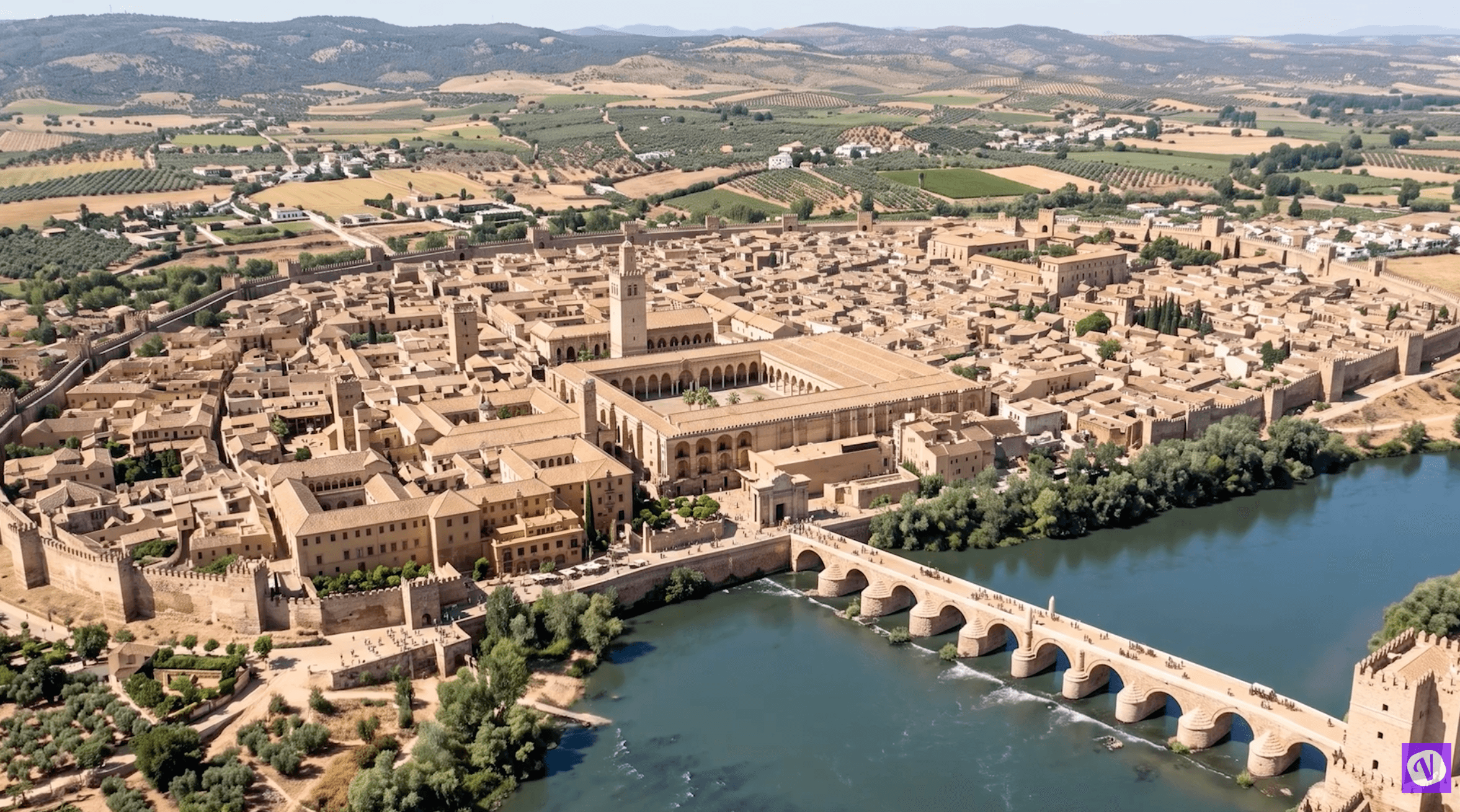
By the year 700, three separate large religions had separate rules for weekly rest. One medieval city became a melting pot for all three.
In 9th century southern Spain, Córdoba was the biggest city in Europe. It contained the largest mosque and synagogue in Western Europe plus a substantial Christian community worshiping at Sunday mass. It was the most religiously layered urban area in the medieval world. For several centuries, it was the most culturally rich and prosperous city on the planet.
Medieval Christians Had 170 Days of Reduced Labor Per Year
Over time, every saint got a feast day. On each saint's feast day, the church called for prayer, processions, and reduced labor. By the late medieval period, the European Christian calendar contained around 160 saint days plus Sundays, plus multi-day clusters like Christmas and Easter, plus harvest festivals.
Add it all up: medieval Christians had roughly 170 days per year of reduced or no labor. That's almost half the year. A medieval peasant would have crashed the Vacation Tracker app if they had internet back then.
Whether peasants actually got all those days off is still debated by historians. But on paper, it was the most generous leave policy ever created, intentional or not.
Then the Reformation noticed. Things got pretty crazy after that, bringing us closer to modern times.
If your team is still tracking PTO on stone tablets, church bells, or spreadsheets, try Vacation Tracker to manage time off the modern way.

Nicholas Lydon
Nick is the Content Marketing Manager at Vacation Tracker, where he turns leave management, HR headaches, and the occasional oddly specific PTO question into content people can watch. He spends most of his time creating videos, articles, campaigns, and creative experiments that make HR a little less boring.