Last updated on June 2, 2026
Americans Leave $312 Billion in PTO on the Table Every Year
I need to tell you about a problem that's costing American workers hundreds of billions of dollars. And the weirdest part? Most of them are doing it to themselves.
Watch the full breakdown of America's PTO crisis and what it means for your company.
The Money You're Already Owed But Not Taking

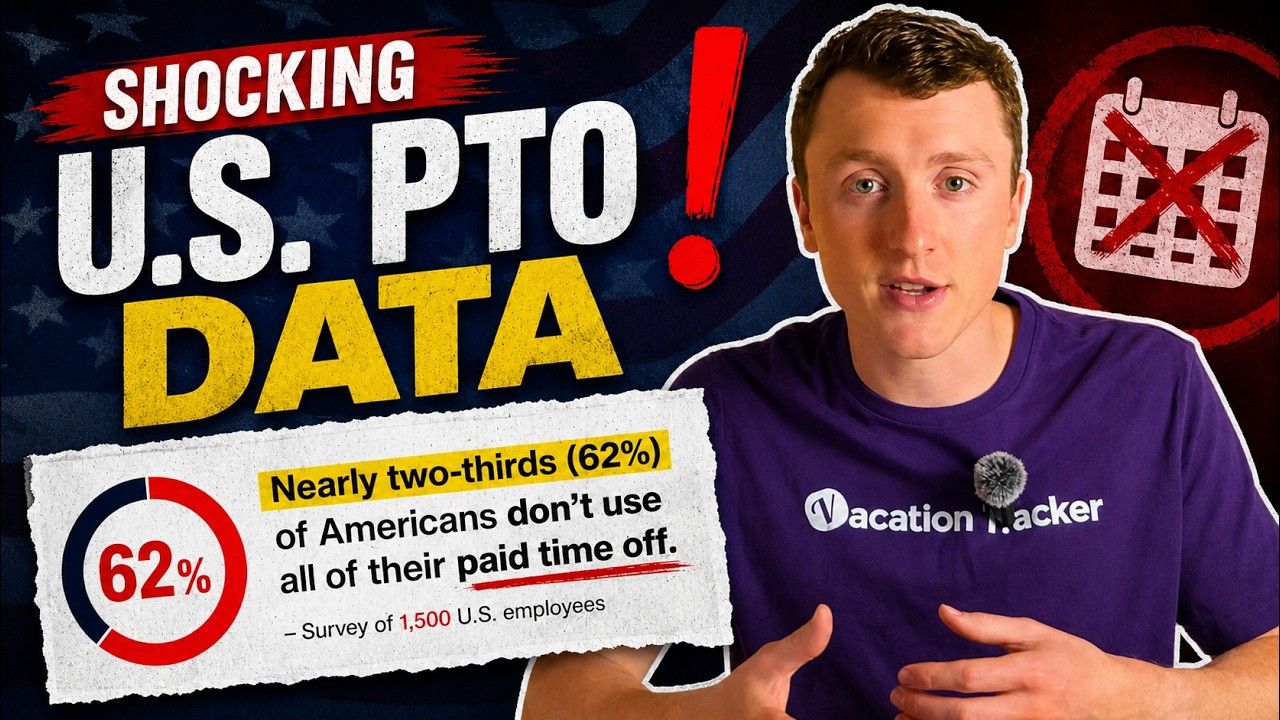
Here's how we get to that $312 billion number. A survey of over 1,500 US employees found that 62% aren't using their paid time off. When you convert all that unused time into dollars across the entire workforce, you end up with $312 billion sitting on the table.
But this isn't about people who don't have vacation days. Another report surveying roughly 3,000 US workers in 2025 found that 82% have paid time off available. They have the days. They're just not using them.
America Has No Federal Vacation Law
Unlike most developed nations, the US doesn't have a federal law requiring paid time off for workers. The Fair Labor Standards Act covers minimum wage, overtime, and child labor, but vacation isn't mentioned.
According to my research, only three states have any PTO regulations: Maine, Nevada, and Illinois. Whatever days are in your offer letter exist because your employer chose to give them to you, not because they're legally required to.
And here's the strange part: 85% of people surveyed said they would actively support employers being required to give a minimum amount of vacation days each year. Something's off when 85% want required time off but 62% aren't taking what they already have.
How Much PTO Americans Actually Get
The Bureau of Labor Statistics publishes the National Compensation Survey each year. The March 2025 version shows how much time off people get in the private sector based on tenure.
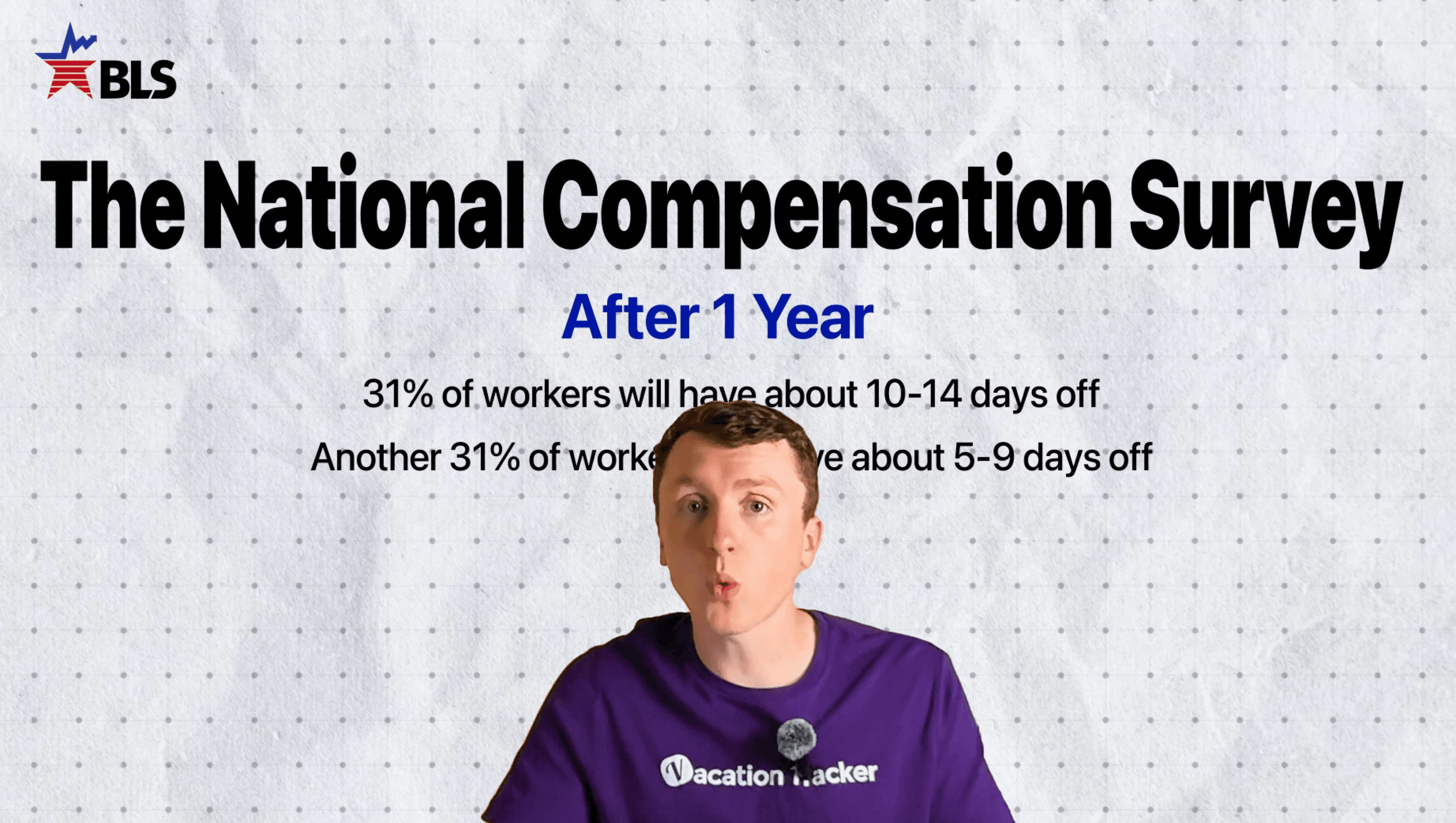
After one year on the job, about 31% of workers have 10 to 14 days off. Another 31% have between 5 and 9 days. So most US workers fall somewhere in that 5 to 14 day window after their first year.
After five years, that middle band shifts upward. After 10 years, 31% of employees have between 15 and 19 days off. After 20 years of service, a full third of the workforce gets over 24 days.
Low-Income Workers Get Left Out Entirely
There's a bigger issue underneath all this. Of the 10% lowest earners in the US, 50% don't have access to any form of paid time off. When we talk about $312 billion going unclaimed, we also need to recognize that a lot of people aren't even getting a claim at all.
The Silent Culture Keeping People From Taking Time Off
If most workers have the days and most workers want the time off, why aren't they taking it? I call this leave suppression culture.
FlexJobs found that 25% of workers said their manager would actively discourage them from taking a full week off. It isn't a written policy, but there's silent pressure keeping Americans from using their time off.
An Eagle Hill Consulting survey asked workers why they weren't taking their PTO. The number one reason was cost of travel (which makes sense, but you don't have to travel to take time off). The number two reason, cited by 28% of people, was internal pressure. Even when they aren't feeling it from their manager, they have self-imposed pressure stopping them from taking the time off they need.
Burnout Is Destroying Employee Retention
Mind Share Partners' 2025 mental health at work report found that three-quarters of US workers felt burned out at some point in the last year. More than half experienced moderate to severe burnout.
Burned-out employees are three times more likely to say they're planning on leaving their employer in the next year. Replacing an employee costs anywhere from 50% to 200% of their annual salary depending on the level of the employee.
Companies with cultures that suppress PTO use (whether they want to or not) aren't saving money or productivity. They're running up a tab they'll pay in turnover, recruiting, and hiring processes.
What Science Says About Taking Time Off
When the brain gets to genuinely rest (not just log off Slack for a bit), it activates what neuroscientists call the default mode network. This system is responsible for creative thinking, problem solving, and connecting ideas that don't obviously go together.
A longitudinal study from Frontiers in Psychology found something counterintuitive: The creative boost people got from a vacation didn't peak until two weeks after the vacation ended. The brain needs time to actually integrate the reset from the rest you get.
Most Companies Think About PTO Wrong
That's the thing most companies get wrong. They think of leave as time subtracted from work. But the research shows it's an input for better work.
I built Vacation Tracker (a PTO tracking software that integrates into Slack, Microsoft Teams, or Google Workspace) around the belief that company leave culture matters. Most companies manage it as an afterthought.
One cool thing we've noticed: users feel more empowered to request time off using our platform. The companies that take PTO seriously aren't being soft. They're investing in the conditions that make better work possible.
Two Things That Actually Fix Leave Culture
Having leave tracking software isn't the only thing that makes company culture around time off better. Researchers point to two main solutions.
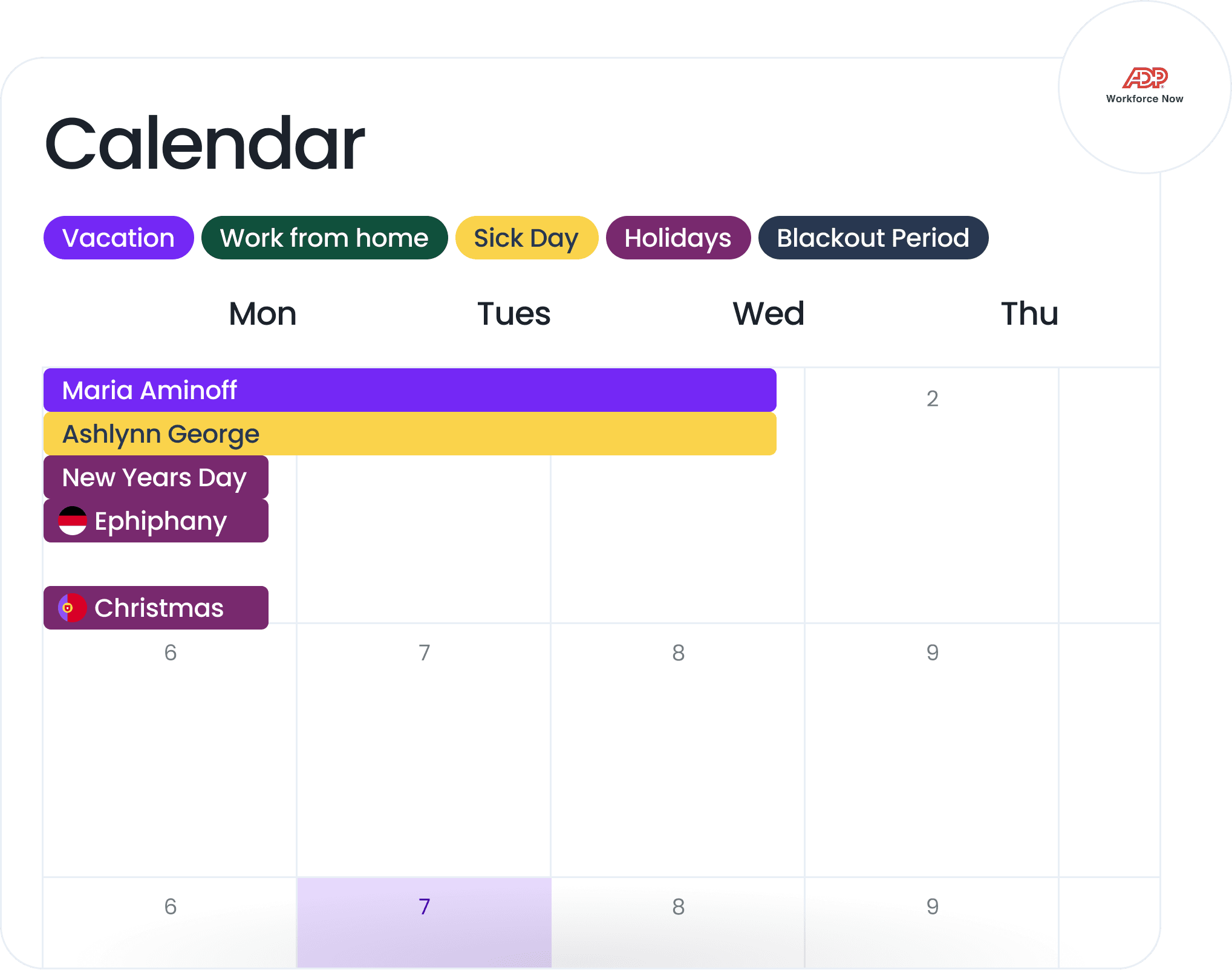
First: Planning ahead. Most unused PTO isn't a deliberate choice. People want to take time off and wait for a good time, but that good time doesn't come. If you plan your vacations ahead of time, you're more likely to take vacations. (I know, groundbreaking stuff.)
Second: Visible leadership participation. This is critical. Gallup research shows that 71% of executives believe employee engagement separates the best teams from the worst. And 70% of employee engagement comes down to their manager.
If a manager doesn't take time off (or takes it but stays visibly active), that subconsciously becomes the culture you're creating. The single most effective thing a company can do for PTO utilization is having leaders take time off, encourage others to do the same, and talk about it openly.
The Companies That Get This Right Will Win
In a country with no federal leave laws, where a quarter of the workforce doesn't take time off, and where burnout is everywhere, this doesn't happen because people don't want time off. Workers would gladly welcome being told to take more time off.
The companies that figure this out won't win because they're the nice place to be. They'll win because they'll have people who can actually think. Right now, the competition is burning out.
Try Vacation Tracker free and see how proper leave management changes your team's relationship with time off. And if nothing else, go put some time on your calendar before this year fills up.

Nicholas Lydon

Nick is the Content Marketing Manager at Vacation Tracker, where he turns leave management, HR headaches, and the occasional oddly specific PTO question into content people can watch. He spends most of his time creating videos, articles, campaigns, and creative experiments that make HR a little less boring.