
Last updated on September 22, 2026
How Post-War Countries Split on Paid Leave (And Japan Named Death From Overwork)
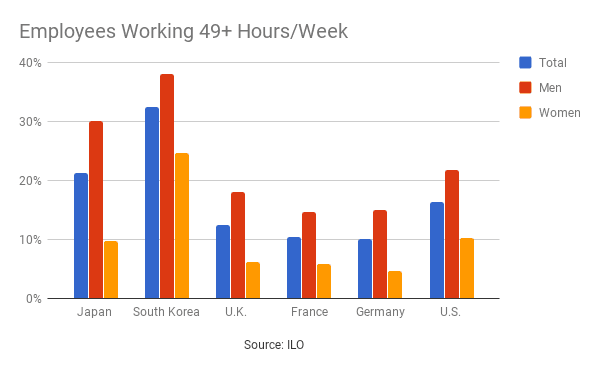
In 1978, a Japanese doctor stood at a podium in Tokyo and described something that shouldn't exist in a developed country with labor protections. He detailed 17 men in their 30s and 40s, all working 60 to 70 hours a week, dying without warning of strokes and heart attacks. Dr. Tetsunojo Uehata gave this syndrome a name: karoshi, or death from overwork.
This is Episode 7 of the History of PTO. After World War II disrupted the paid leave policies countries had built in the 1930s, nations took wildly different paths on worker rest. By 1990, the split was complete. Every OECD country had mandatory paid leave except one.
Watch the full video below:
Western Europe Made Paid Vacation Part of the Political Deal
In the years after 1945, most of Western Europe reorganized around what you might call a compromise. Trade unions accepted private property and parliamentary democracy. Businesses accepted higher regulation and taxation. One of the most visible parts of this bargain was paid vacation.
France came out of the war with two weeks of paid vacation thanks to its Popular Front policies from 1936. The country slowly expanded this over the following decades, finalizing at five weeks of paid vacation plus 11 public holidays in 1982. That's still the standard today.

Sweden had a similar path. It passed its first paid labor law in 1938 with two weeks of vacation, eventually climbing to five weeks in 1978. Sweden also became the first country to give paid parental leave in 1974.
West Germany rebuilt under the Marshall Plan and by 1970, a German worker had somewhere between four and six weeks of paid leave. By 1970, most of Europe had agreed on what paid leave should look like.
Japan Had the Laws But Not the Culture
Across the world in Japan, things looked similar on paper but played out completely different in practice.
Japan came out of World War II with its cities ruined and industries devastated. The economy was occupied by the Americans, and in 1947, under General MacArthur's authority, Japan passed the Labor Standards Act. It guaranteed an 8-hour day, a 40-hour work week, and paid vacation starting at 10 days that grew with tenure.
But Japanese culture had other ideas about how work should function.
Between 1945 and 1990, Japan grew from a defeated, blockaded, food-insecure country to the second most powerful economy in the world. The fuel was labor. Japanese workers routinely worked 60 to 90-hour work weeks despite having that Labor Standards Act in place.
Lifetime Employment Made Taking Vacation a Career Risk
An important concept in Japanese work culture is shushin koyo, which translates to lifetime employment. You'd join a company

right out of school and stay until retirement. Workers identified with the company. When your team worked, you worked. If your team didn't stop working, you didn't stop working.
Taking vacation in that culture marked you as less of a team player. In many cases, it would severely impact careers. This isn't just anecdotal. Labor statistics back it up.
Throughout the 1970s and '80s, Japanese workers took between 40 and 60% of their allotted paid vacation. Those vacation days didn't carry over, so they were essentially burning time off they could never use.
(If this is a problem for your work culture, Vacation Tracker knows how many days you're owed, suggests time to take it, and hopefully empowers you to rest when you need it. That way you can show up better when you are working.)
Karoshi Deaths Were Tracked by the Government
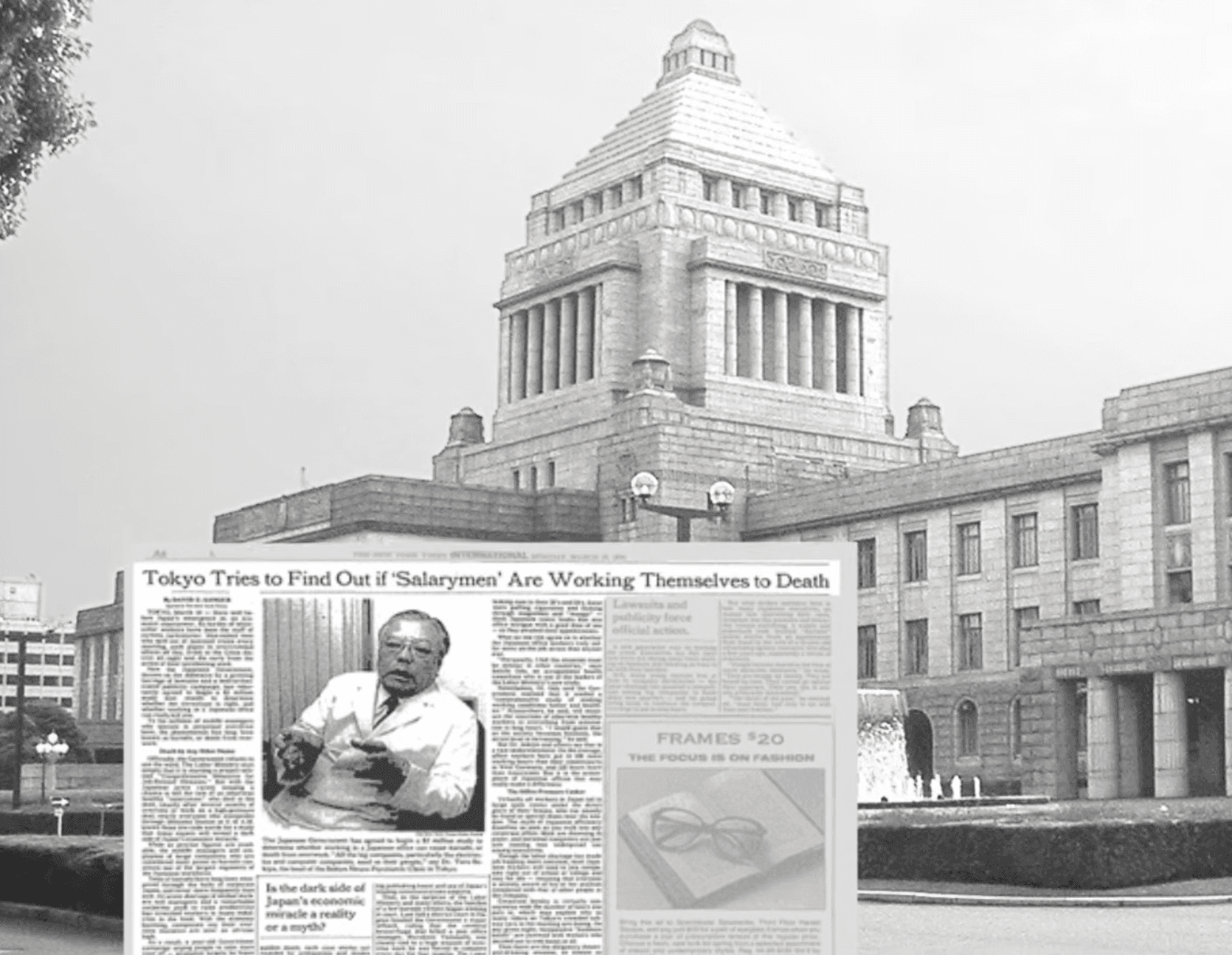
Dr. Uehata's 1978 paper with those 17 case studies was the extreme edge of this pattern. The first case of karoshi was actually documented in 1969 when a 29-year-old worker died of a stroke in the shipping department of Japan's biggest newspaper company.
It steadily grew to the point where in the 1980s and 1990s, the government was officially tracking karoshi deaths. By the 1990s, the labor ministry was certifying around 150 deaths per year, with some advocacy groups saying it was actually higher.
Finally, in 2018 (pretty recent), Japan passed the Work Style Reform Act, which capped overtime at 100 hours per week. So even though the leave laws were reasonable, culture made a big impact on how they were actually enacted.
Soviet Vacations Collapsed When the USSR Fell
Across the Iron Curtain in the Soviet Union, they'd built a paid vacation policy off the foundation from 1922. By the 1960s, Soviets were entitled to 15 days of paid leave, with longer-service workers getting more time.
The unique feature wasn't that it existed but how it was delivered. It was politically supervised, which meant it was a state benefit. Millions of Soviet workers got subsidized vacations to places like the Baltic Sea and the Black Sea.
But when the Soviet Union fell in 1991, so did this policy. An entire generation of Russian workers ended up with worse leave than the generations before.
Developing Countries Had Laws for Formal Workers Only

For the rest of the world, there were strides throughout the 20th century. Mexico's 1917 constitution gave paid leave. Brazil guaranteed 30 days of paid leave in 1943. Across newly independent countries like India, Egypt, and Kenya, labor codes routinely gave 21 to 30 days of paid vacation.
But that was the catch. This was for formal sector workers only, which was a minority in these developing nations. Informal workers, domestic workers, or people in agriculture did not get that kind of vacation.
American Workers Had to Bargain for Vacation Through Unions
The American post-war path did not fit that European five-week model. Instead, the private sector had to bargain for paid vacation.
From the 1940s to the 1970s, American industrial unions slowly gained more and more time off. Non-union workers got whatever their employer gave them, which was often nothing. Union coverage was the best option available for anybody working in the United States.
But it would slowly decay over time, eventually collapsing in the 1980s.
Reagan Fired Striking Air Traffic Controllers and Unions Collapsed
In August 1981, thousands of federal air traffic controllers walked out on strike, demanding higher wages and less hours. Instead of negotiating, President Ronald Reagan fired them all two days later.
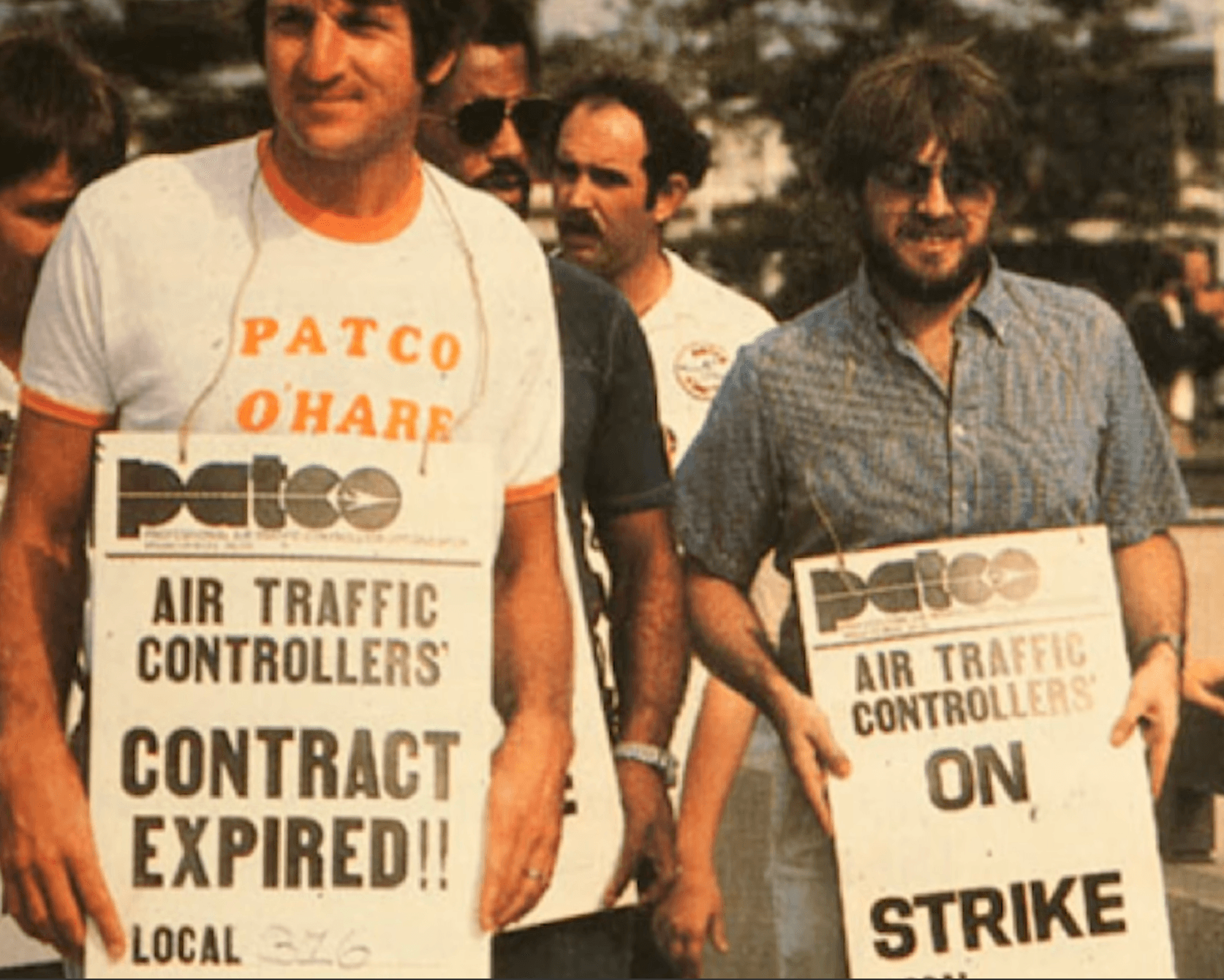
That was a direct signal to the American business community. Throughout the 1980s, union busting escalated. Companies had spent decades negotiating with unions, but by 1990, union membership fell from 35% to 12%. Today it's at 6%.
As union coverage fell, so did paid vacation. Non-union American workers by 1990 averaged about 10 days of paid vacation per year. That was less than the statutory minimum for every other single developed nation.
The Overworked American Documented the US-Europe Split
The Overworked American was a book published by economist Juliet Schor. The thesis was that over the last few decades, American time off dwindled as European time off skyrocketed. That divergence became the defining pattern for labor in the 20th century.
So that 1978 paper about karoshi deaths may have been talking about edge cases, but it might have been more common than we thought. By 1990, every OECD country had paid leave except for one.
But there was still plenty more policy to come to get to modern times. If your team is still tracking PTO with spreadsheets, try Vacation Tracker for free. Subscribe to follow the full series for the next episode on modern leave management.

Nicholas Lydon

Nick is the Content Marketing Manager at Vacation Tracker, where he turns leave management, HR headaches, and the occasional oddly specific PTO question into content people can watch. He spends most of his time creating videos, articles, campaigns, and creative experiments that make HR a little less boring.